European Union
 Confederate
 Rainbow
 Other Pride
 Red Ensign
 RAF Ensign
 Yorkshire
 Cornwall
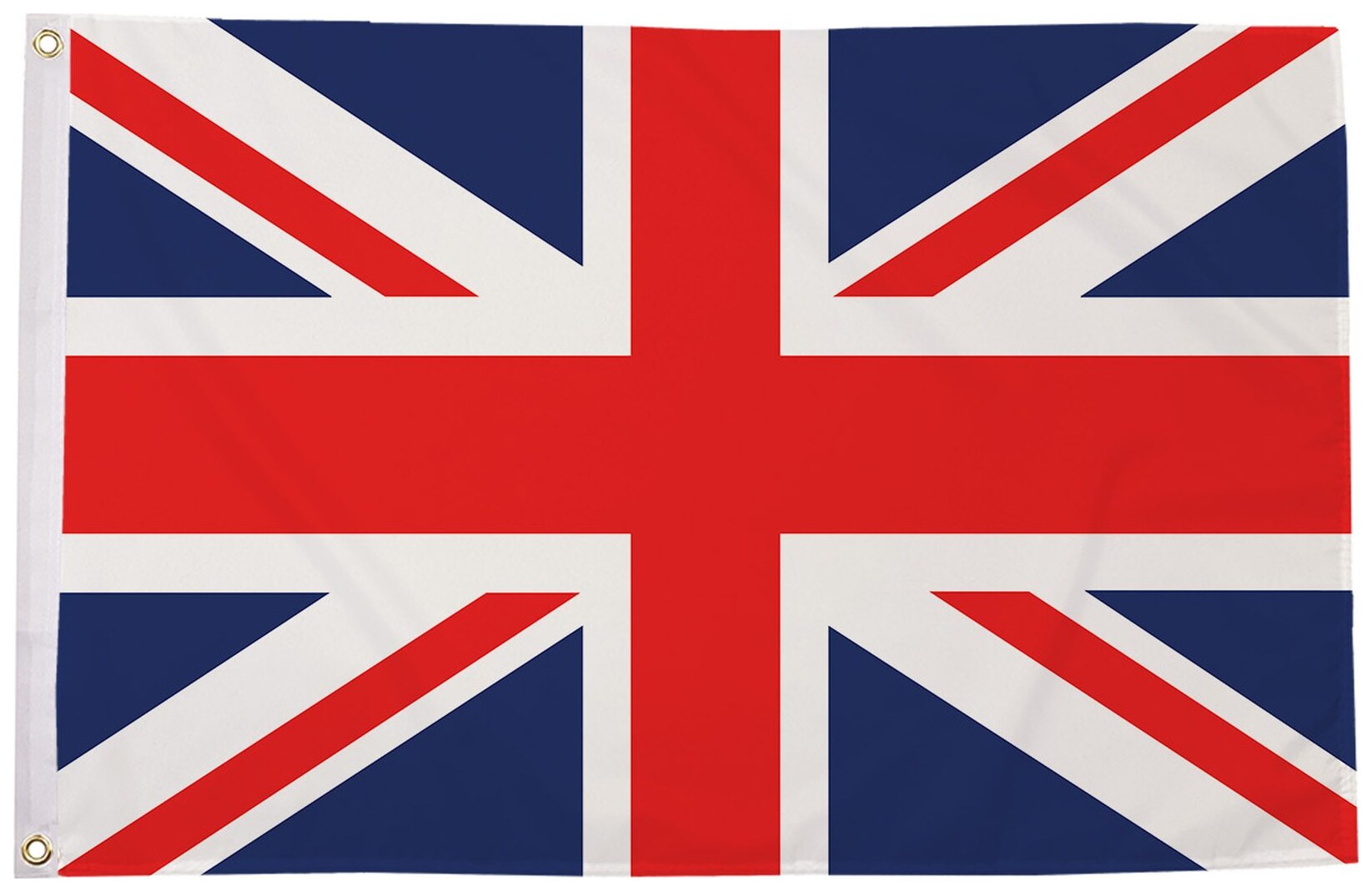
 Union Jack
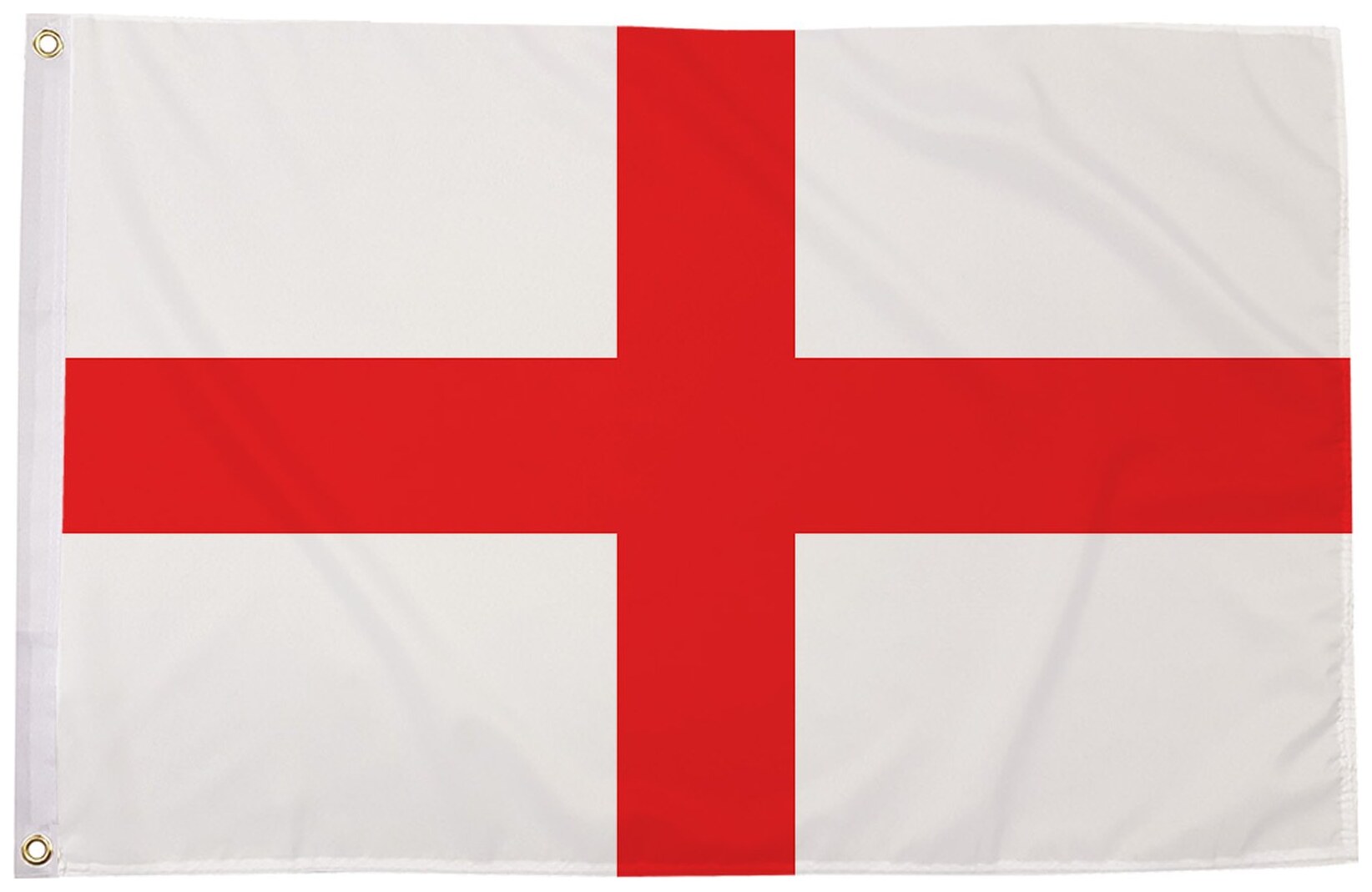
 England
 Scotland
 Wales
 USA
 Ireland
 France
 Germany
 Italy
 Australia

Waitangi Day is New Zealand's national day, held on 6 February each year. It marks the signing of the Treaty of Waitangi (Te Tiriti o Waitangi) in 1840, the founding document of modern New Zealand, and is a public holiday across the country. In the UK, Kiwis mark it with gatherings, church services and the occasional very lively day out, usually with the New Zealand flag and the M?ori flag on show.
What happened at Waitangi in 1840
On 6 February 1840, at Waitangi in the Bay of Islands, representatives of the British Crown led by William Hobson and a group of M?ori rangatira (chiefs) signed the Treaty. Roughly 40 chiefs signed on that first day. Copies were then carried around the country over the following months, and in the end more than 500 signatures were gathered.
The Treaty exists in English and te reo M?ori versions, and the two texts are not identical. How it is understood is still an important part of national life, so Waitangi Day mixes celebration with reflection.
The date was first set aside by law in 1960 and became a national public holiday in 1974, briefly under the name New Zealand Day. Since 2014, when 6 February falls on a weekend, the following Monday is taken as the holiday.
Waitangi Day traditions, at home and in the UK
The focus in New Zealand is the Treaty Grounds at Waitangi, where the day begins with a dawn service and continues with ceremonial waka (war canoes) on the water, kapa haka performances, speeches and a naval salute. Elsewhere there are festivals, concerts and family picnics.
Britain has a large New Zealand community, much of it in London. Ng?ti R?nana, the London M?ori club, has long been associated with Waitangi Day gatherings, and the New Zealand High Commission and Kiwi community groups often arrange commemorations. London also has an informal Waitangi Day pub crawl tradition that has historically followed the Circle Line. Arrangements change every year, so check with the organisers rather than relying on past dates.
The New Zealand flag explained
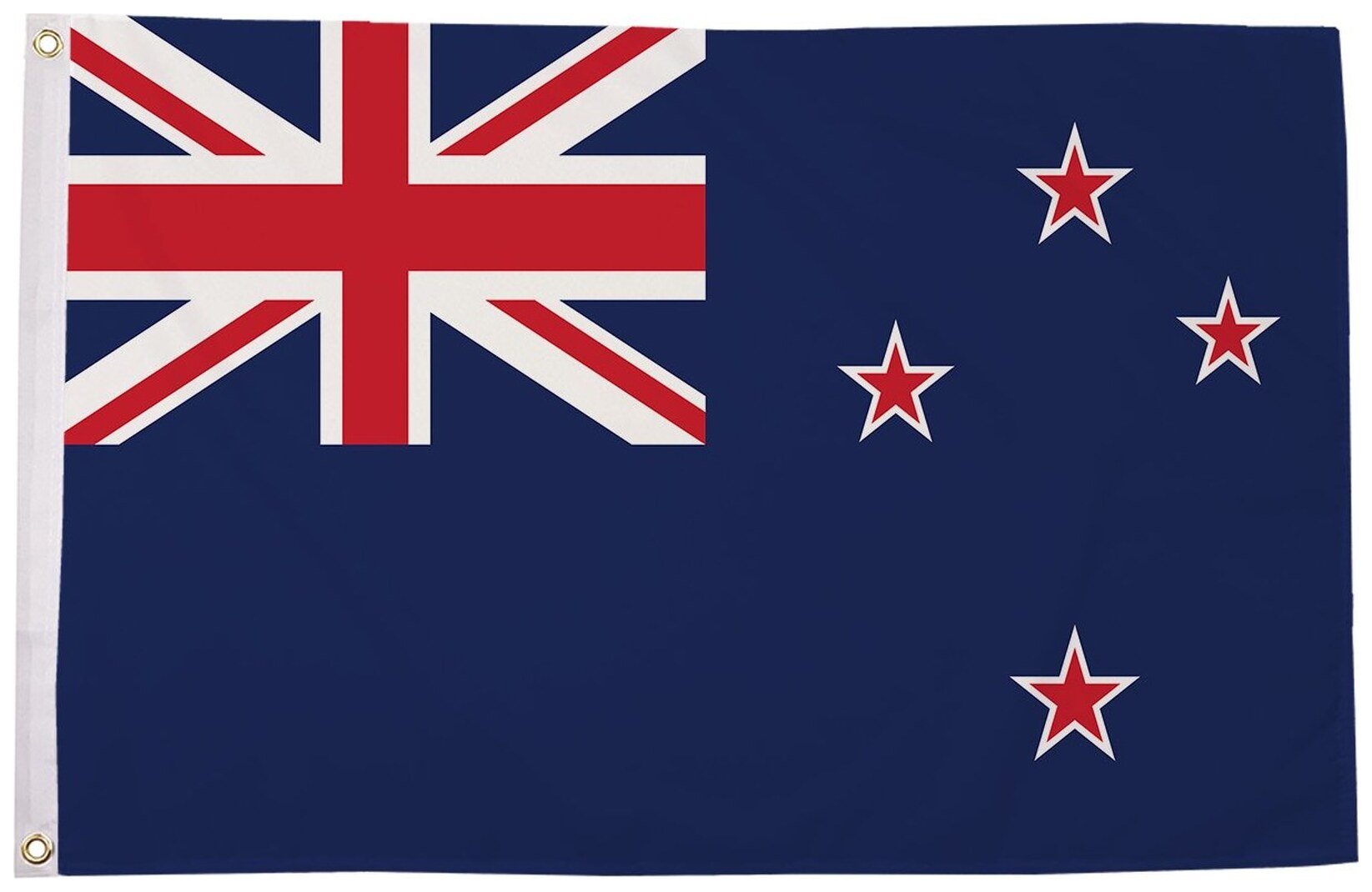
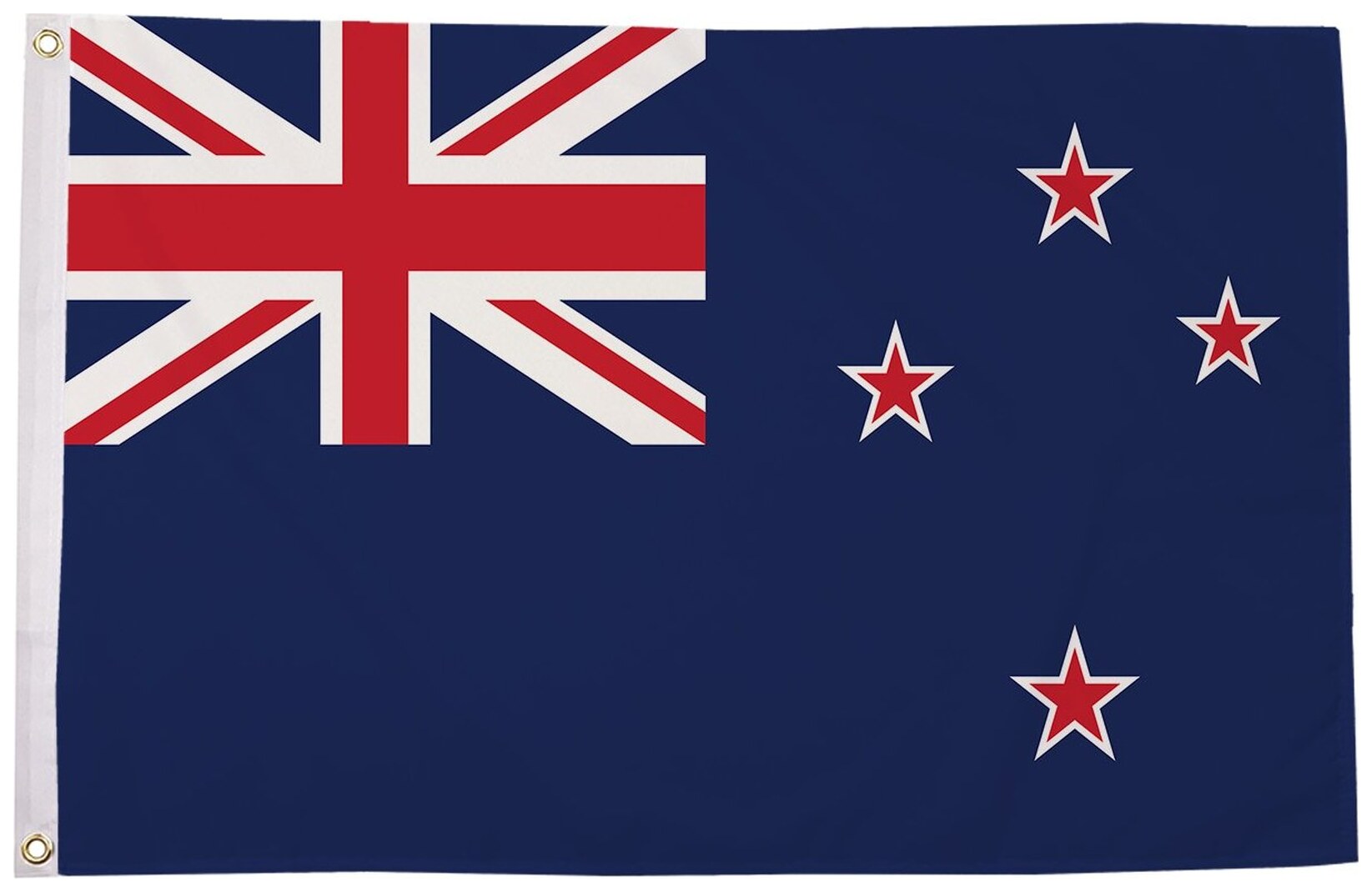
New Zealand's flag is a dark blue ensign with the Union Flag in the upper hoist corner and four five-pointed red stars, each edged in white, representing the Southern Cross constellation. It was adopted in 1902 and its official proportions are 1:2, so it is noticeably longer than the 3:2 flags common in Europe. Ready-made printed flags are usually 3:2.
It is easily confused with the Australian flag. The quick check: New Zealand's stars are red with white borders and there are four of them; Australia's are white, with six in total, including the large seven-pointed Commonwealth Star under the Union Flag.
In two referendums held in 2015 and 2016, New Zealanders considered an alternative design and voted to keep the existing flag.
To fly it the right way up, the Union Flag goes in the top corner nearest the pole. If the stars are at the top left, it is upside down.
The Tino Rangatiratanga (M?ori) flag
Many Waitangi Day events also fly the Tino Rangatiratanga flag: black over red, separated by a white band that curls into a koru, the unfurling fern frond. It was designed by Hiraina Marsden, Jan Dobson and Linda Munn and first flown around 1990. In 2009 the New Zealand government recognised it as the preferred national M?ori flag, and it is often flown alongside the national flag on Waitangi Day.
At the Treaty Grounds a third flag is traditionally flown with the Union Flag and the national flag: the flag of the United Tribes of New Zealand, chosen by northern chiefs in 1834, a white flag with a red St George's cross and a blue canton bearing a smaller red cross and four white eight-pointed stars.
Flying the flags for Waitangi Day in Britain
If you are flying the New Zealand flag next to the Union Flag, use flags of the same size on poles of the same height. Our guide to flag order of precedence explains which goes where. For a single garden pole, a 5ft x 3ft flag suits most heights; see what size flag for your flagpole.
- Pub, club or bar: a 9m run of New Zealand bunting behind the bar, with the national flag and the Tino Rangatiratanga flag side by side on the wall.
- Dinner or reception: New Zealand table flags for each table, or a satin table flag on a lectern.
- Heritage display: add the United Tribes flag to tell the story of 1834 and 1840.
- Family day: 9in x 6in wooden hand flags, light enough for children.
Waitangi Day falls in midwinter here, so a flag left on a pole through February takes a battering. A heavier knitted New Zealand DuraFlag copes better than a lightweight printed flag. If you also mark Anzac Day in April, our Anzac Day guide covers that very different, solemn occasion.
Frequently asked questions
Is Waitangi Day a public holiday in the UK?
No. It is a public holiday in New Zealand only. In the UK it is marked by the New Zealand community and the High Commission, usually on or near 6 February.
What is the difference between the New Zealand and Australian flags?
Both have the Union Flag in the canton on a blue field. New Zealand's has four red stars with white borders; Australia's has six white stars, including the large Commonwealth Star.
Can I fly the M?ori flag on Waitangi Day?
Yes. The Tino Rangatiratanga flag is widely flown on Waitangi Day in New Zealand and at Kiwi events overseas, often next to the national flag.
Why is the New Zealand flag 1:2?
It follows the British ensign proportions of the time. The official ratio is 1:2, but 3:2 versions are common on land and at events.
Planning a Waitangi Day gathering? Browse our New Zealand flags, or find every country in our world flags range. For other community dates through the year, see our national days calendar.