England
 Scotland
 Wales
 USA
 France
 Germany
 Spain
 Italy
 Australia
 European Union
 Confederate
 Rainbow
 Other Pride
 Red Ensign
 RAF Ensign
 Yorkshire
 Cornwall
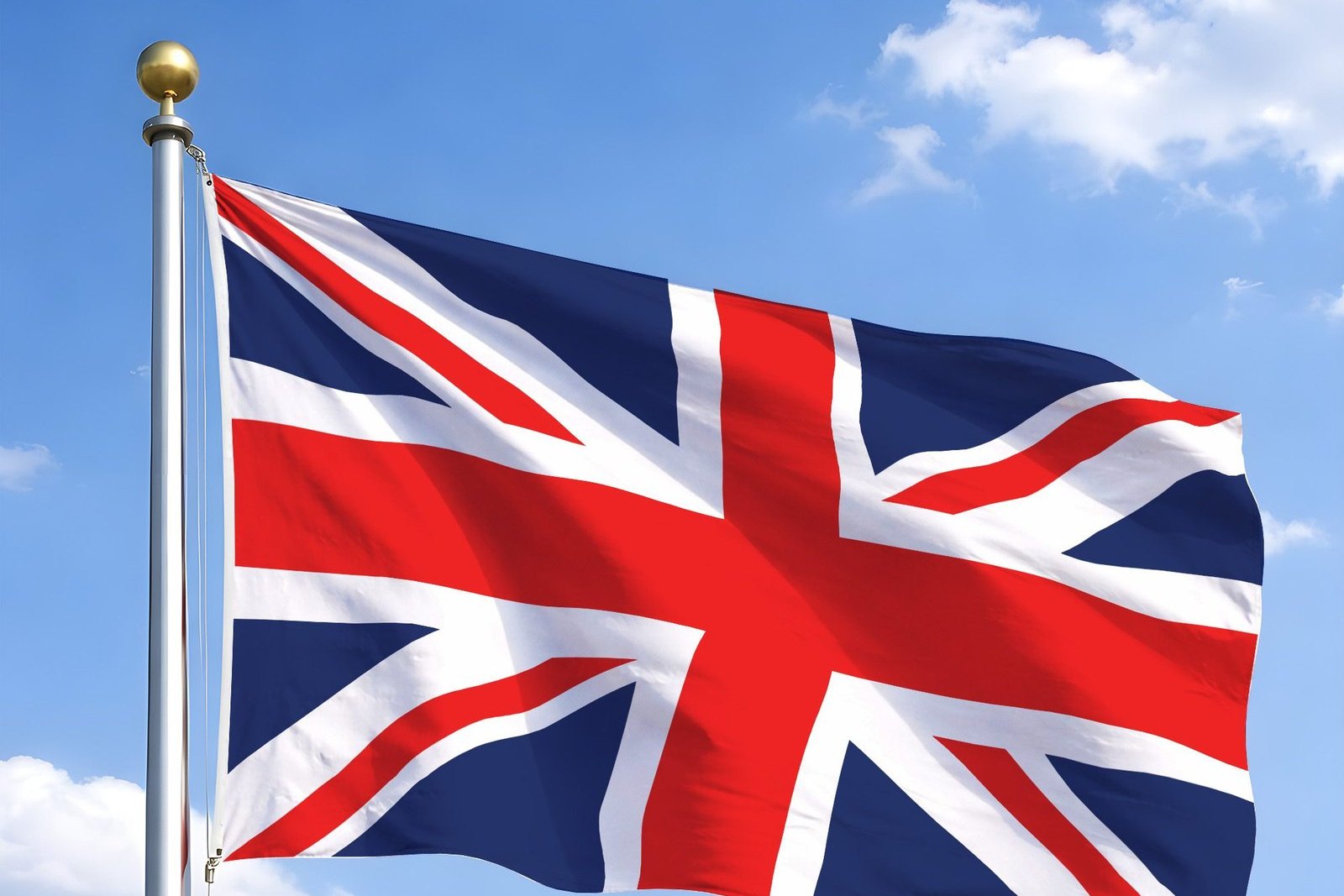
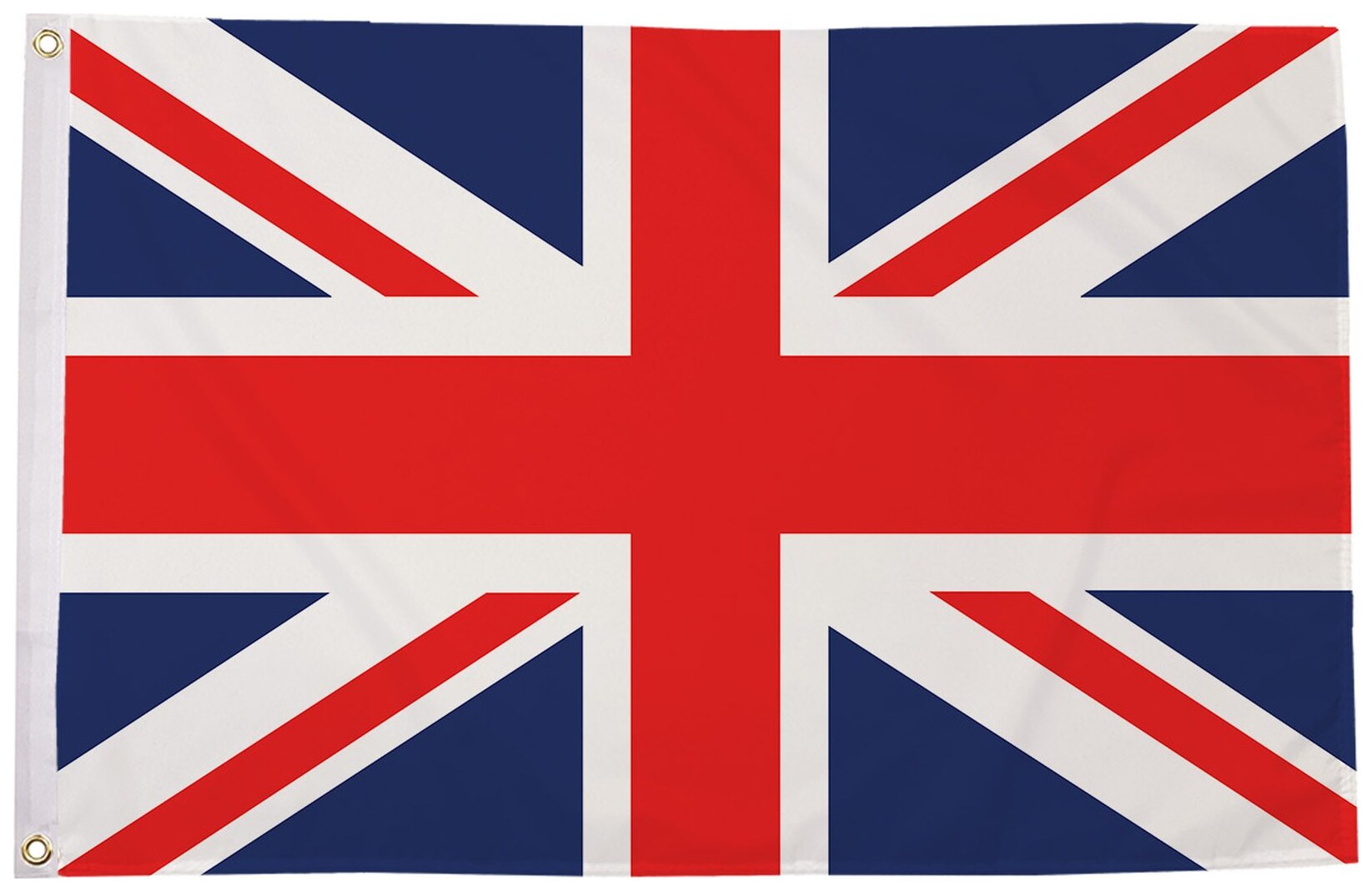
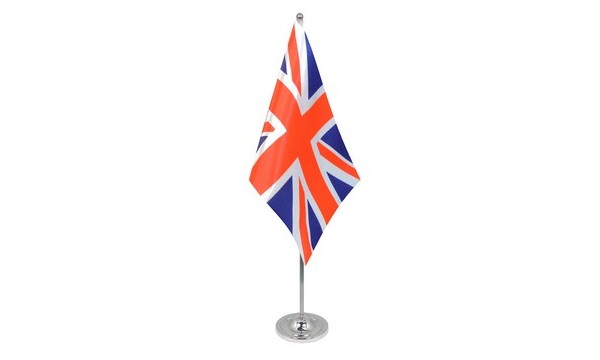
 Union Jack
 Ireland
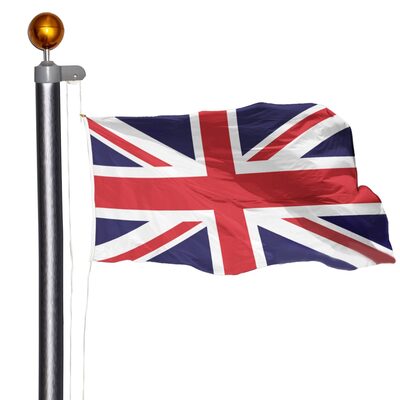

In the UK, flags are ranked in a set order of precedence: the Royal Standards first, then the Union Flag, then the national flags of England, Scotland, Wales and Northern Ireland, followed by ensigns, other nations' flags, international organisations and finally county, city and company flags. The most senior flag takes the position of honour, which on a row of poles is on the left as you face the building.
Quick answer: the Union Flag outranks every flag except the Royal Standards. On parallel poles it goes on the observer's left facing the building; on a platform, on the speaker's right. It is raised first and lowered last.
The UK order of precedence
When flags are flown together, they are ranked in this order, from most senior to least:
- Royal Standards
- The Union Flag
- National flags of England, Scotland and Wales, and Northern Ireland's flags or the Ulster banner where used
- Ensigns: the White Ensign, the RAF Ensign, the Blue Ensign and the Red Ensign
- The Civil Air Ensign
- Flags of other nations, in alphabetical order, usually by their English names
- International organisations: the flags of the United Nations, the Commonwealth and the Council of Europe
- Other flags: flags of the Army, counties and cities, banners of arms, and house or company flags
In practice, most people only need the top and bottom of this list. A business, school or council will usually fly the Union Flag, perhaps a national flag, and then a county or company flag.
Where does the senior flag go?
The senior flag always takes the position of honour. It is also raised first and lowered last. Where exactly that position is depends on the setting.
Parallel flagpoles
On a row of poles outside a building, the position of honour is on the left as an observer faces the building or entrance. The remaining flags then follow in order of precedence from left to right, as the observer sees them.
On a platform or stage
Indoors on a stage, or behind a speaker at a lectern, the senior flag goes on the speaker's right. Seen from the audience, that is on the left, which keeps the rule consistent with the parallel poles outside.
An odd number of poles
With three, five or more poles, the senior flag is commonly flown on the centre pole, with the next most senior on the observer's left of it and the next on the right, working outwards. This arrangement is widely used for groups of three. Some organisations simply follow the left-to-right order instead. What matters most is that the arrangement is consistent and the senior flag is clearly in a place of honour.
Sizes and pole heights
Flags flown together should ideally be the same size (the same width) and on poles of the same height. Flying one national flag larger or higher than another can suggest one nation ranks above another, which is best avoided, especially with foreign national flags. When planning a new display, it is easier to buy matching poles and flags from the start than to try to balance a mixed set later.
Two flags on one pole
You can fly two flags on a single halyard, but only if both are British. The senior flag goes on top, with a gap of about 30 cm between the two. A common example is the Union Flag above a county flag, or a national flag above a club flag.
Never fly a foreign national flag below another on the same pole. Each nation's flag should have its own pole, of equal height, so that no country appears to be placed beneath another.
International flags
When you fly the flags of several countries, for example at a conference, sports event or international company site, the Union Flag takes precedence and the other national flags follow in alphabetical order, usually using their English names. Each flag should be the same size and on a pole of the same height. Our world flags range covers national flags from around the world, which makes it straightforward to match sizes across a set.
Practical setups
A business with three poles
A typical arrangement is the Union Flag, a national flag such as the St George's Cross or the Saltire, and the company's own flag. The Union Flag takes the centre pole, or the far left as you face the entrance; the national flag comes next; the company flag is last. Our custom flags range covers company and house flags, and the custom company logo flag can be made in the same size as your national flags so the row looks even.
If your business has two poles, fly the Union Flag in the position of honour and the company flag beside it.
A school
Schools often fly the Union Flag alongside the national flag, a county flag or an award flag such as Eco-Schools. The Union Flag goes in the position of honour, the national flag next and the county or award flag after it. With a single pole, the Union Flag can fly above a county flag, about 30 cm apart, as both are British.
A council
A council might fly the Union Flag, the national flag and the county or town flag. Follow the same order: Union Flag, national flag, then county, city or town flag. Our county and regional flags cover the British counties, and our Union Jack flags come in a range of sizes to match.
Raising, lowering and half-masting
Raise the senior flag first and lower it last. If flags are half-masted, the same order applies, and the method is the same for every flag: raise to the top, pause, then lower to the half-mast position. Our guide to half-mast rules in the UK explains the details, and our UK flag etiquette guide covers flying times and flag days.
Frequently asked questions
Which flag goes on the left?
On parallel poles, the senior flag goes on the left as an observer faces the building or entrance. On a stage, it goes on the speaker's right, which is the audience's left.
Does the Union Flag outrank the St George's Cross?
Yes. The Union Flag ranks above the national flags of England, Scotland, Wales and Northern Ireland. Only the Royal Standards rank higher.
Can I fly two flags on one pole?
Only if both are British. The senior flag goes on top, with about a 30 cm gap. Never fly a foreign national flag beneath another on the same pole.
Where does a company flag go?
House and company flags come at the end of the order of precedence, after national, international and county flags.
Should all the flags be the same size?
Ideally, yes. Flags flown together should be the same width and on poles of the same height.
To put together a matching set, start with our Union Jack flags, then add national, county or custom company flags in the same size.