England
 Scotland
 Wales
 USA
 France
 Germany
 Spain
 Italy
 Australia
 European Union
 Confederate
 Rainbow
 Other Pride
 Red Ensign
 RAF Ensign
 Yorkshire
 Cornwall
 Union Jack
 Ireland
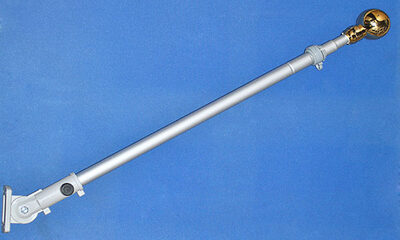
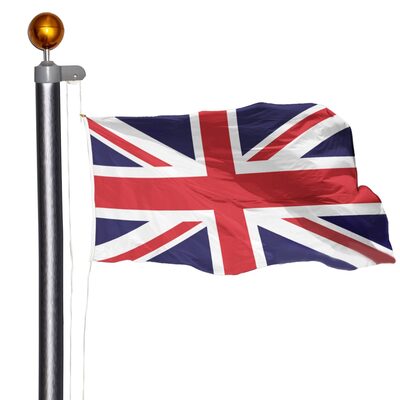
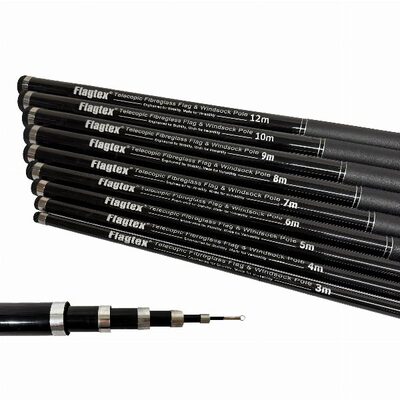

In England, many flags can be flown without planning consent, including national flags and county flags, and others such as house flags are allowed within set limits. The flagpole itself is a separate question and can need planning permission, particularly if it is tall, on a listed building or in a conservation area. If in doubt, check with your local planning authority before you install.
Quick answer: national, county and armed forces flags need no consent in England. House flags and some others have deemed consent within limits. Most advertising and feather flags need express consent. The pole may need planning permission in its own right.
This guide summarises the rules for England, based on the government's "Flying flags: a plain English guide" and the Town and Country Planning (Control of Advertisements) (England) Regulations 2007, as amended. Scotland, Wales and Northern Ireland have their own rules, so check with your council if you live there. This is general information, not legal advice.
The flag and the pole are treated separately
The most common mistake is to assume that if a flag is allowed, the pole must be too. In England, flags are controlled under the advertisement regulations, while the flagpole is a structure that can need planning permission in its own right. A flag may need no consent at all while the pole it flies from still needs permission, so it is worth considering both.
Part 1: the flag
Flags in England fall into three classes.
| Class | What it means | Examples |
|---|---|---|
| No consent needed | Can be flown without applying, subject to the standard conditions | Any country's national flag; civil ensigns; flags of the Commonwealth, the UN and other international organisations the UK belongs to; UK county, city, town, village and historic county flags; St David's and St Patrick's flags; flags of HM Forces and Armed Forces Day |
| Deemed consent | Allowed without applying, as long as you stay within the limits | House flags showing a company's name, logo or emblem; sports club flags (without sponsor logos); the Rainbow flag; the NHS flag; award flags such as Eco-Schools, Investors in People, Blue Flag and Green Flag |
| Express consent | You need to apply to the council first | Most other flags, including most advertising flags and feather flags |
The EU flag was removed from the no-consent list in 2021.
Flags that need no consent
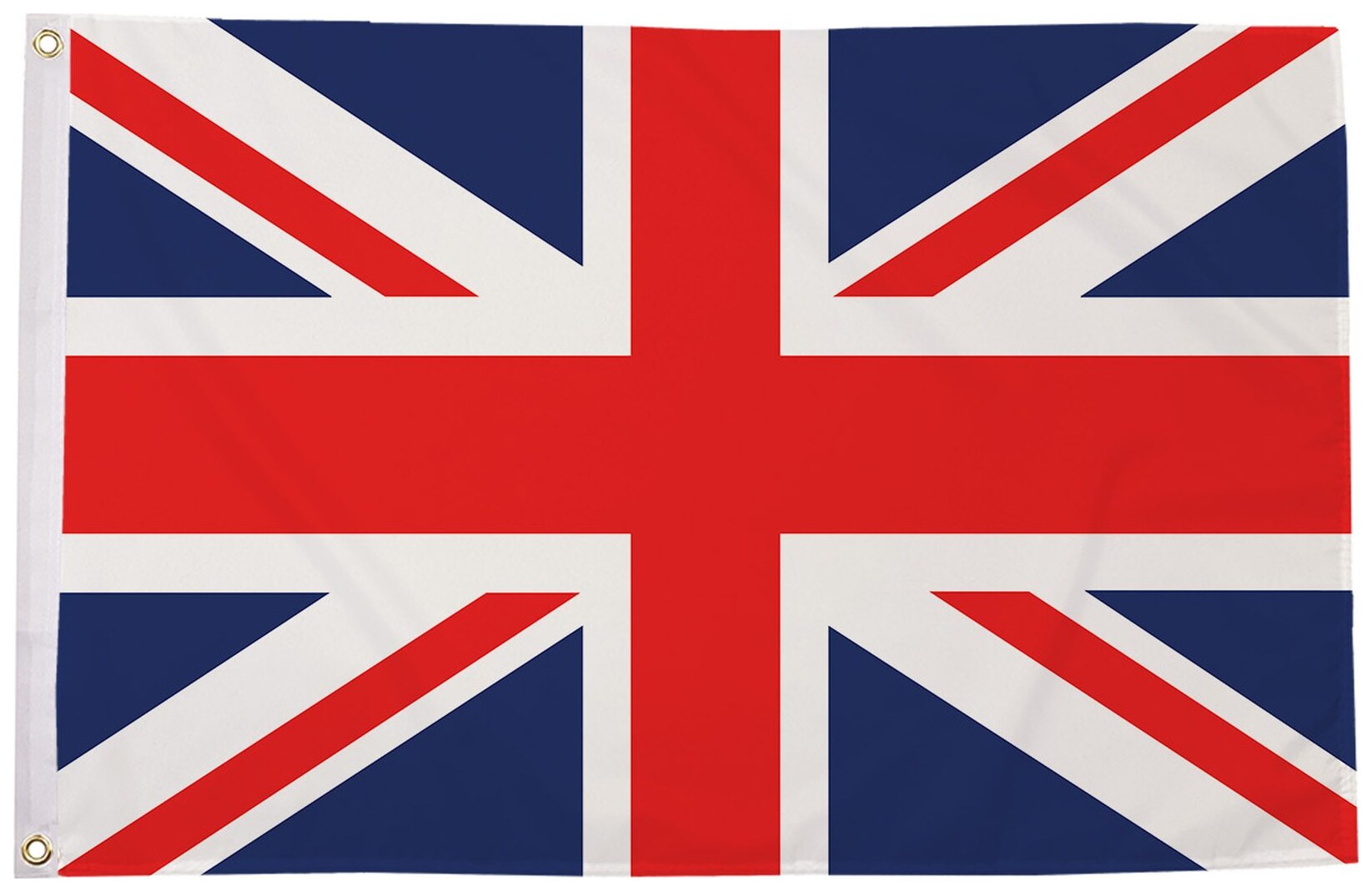
For most households the answer is reassuring. Flying a national flag such as the Union Flag, or the flag of your county, does not need consent. That includes historic county flags, so flags from our range of county and regional flags can be flown without applying, provided you meet the standard conditions below.
Flags with deemed consent
Deemed consent means permission is treated as already granted, as long as you stay within certain limits. The main limits are:
- Flags on a pole projecting from a building: the flag can be no larger than 2 m².
- Flagpoles in the grounds of a building: up to two flagpoles, each no more than 4.6 m high, in addition to any on the building.
The 4.6 m figure is often misquoted as a limit on every flagpole. It is not. It is the limit for flagpoles in the grounds of a building flying deemed-consent flags. Roof-mounted poles are treated differently, and a pole of any height may still need planning permission as a structure.
A house flag is a flag carrying a company's name, logo or emblem. If you are thinking of having one made, our custom flags range includes a company logo flag, and our guide to flags for businesses covers the options.
Flags that need express consent
Most other flags need express consent, which means applying to the council. This includes most advertising flags and feather flags, such as those used outside shops, on forecourts and at retail parks. If your flag is mainly there to advertise a product, offer or service, assume you need to apply unless the council tells you otherwise.
The standard conditions
Every flag, whichever class it falls into, should meet the standard conditions:
- Keep the flag and pole clean and in a safe condition.
- Have the permission of the owner of the land or building.
- Do not obscure road signs.
- Do not add advertising to a national flag.
Controlled areas
Tighter limits apply in certain protected areas: Conservation Areas, National Parks, National Landscapes (formerly Areas of Outstanding Natural Beauty), the Broads and Areas of Special Control. The deemed consent limits are tighter in these areas, so a flag or pole that would be fine elsewhere may need consent. If your property is in one of these areas, speak to your local planning authority before putting up a flag or a pole.
Part 2: the flagpole
The flagpole itself can need planning permission separately from the flag. Whether it does depends on its height, where it is placed, whether it is on the building or in the grounds, and the type of property. On a listed building, fixing a pole or bracket may also need listed building consent.
A few practical points:
- A small wall-mounted pole on a house is a very different proposition from a tall pole in a front garden.
- Flats, shared buildings and rented homes also need the permission of the owner or landlord.
- If you are not sure, ask the council first. It is easier than applying retrospectively or taking a pole down.
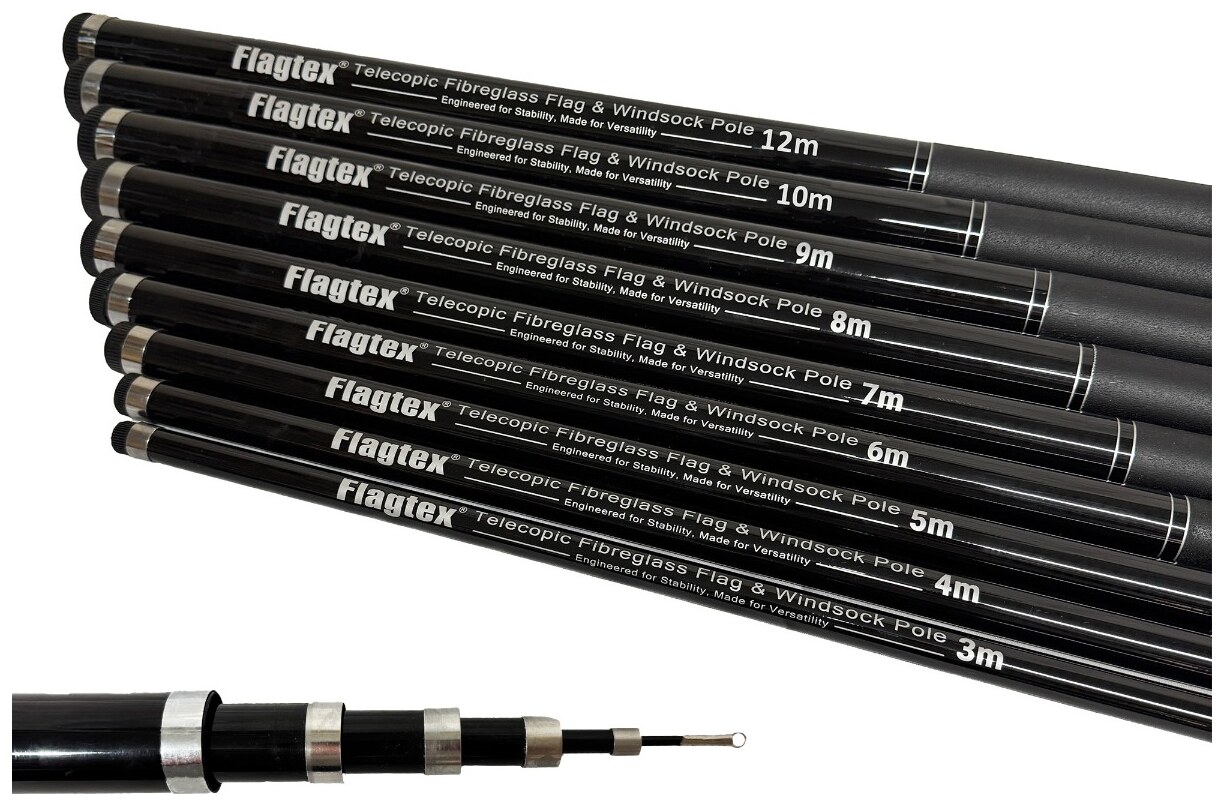
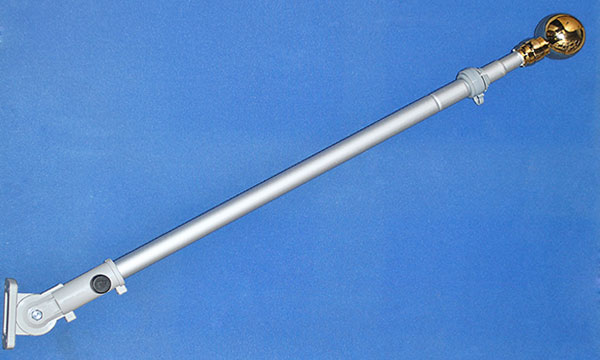
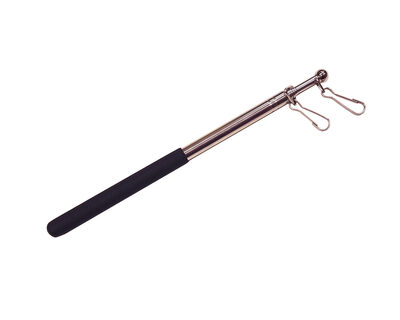
Our guide on how to choose a flagpole compares wall-mounted, telescopic and sectional poles, which can help you decide what to ask about.
Businesses, advertising and feather flags
Businesses often fly more than one type of flag, and each can fall into a different class:
- A national flag flown outside a business needs no consent, but advertising must not be added to it.
- A house flag with the company's name or logo usually has deemed consent within the limits above.
- Advertising flags and feather flags promoting offers or products usually need express consent.
If you manage several sites, remember that each council makes its own decisions and some sites may be in controlled areas.
Scotland, Wales and Northern Ireland
Planning is devolved, and the rules above apply to England. Scotland, Wales and Northern Ireland each have their own regulations, which differ in detail. If you are outside England, check with your local council before flying a flag that is not a straightforward national or county flag, and before installing a pole.
Frequently asked questions
Do I need planning permission to fly a Union Jack in my garden?
In England, a national flag such as the Union Flag needs no consent to fly, subject to the standard conditions. The flagpole may need planning permission depending on its height and location, so check with your council if it is a tall pole.
Is there a maximum flagpole height in the UK?
There is no single limit for every pole. Under deemed consent in England, up to two flagpoles in the grounds of a building may each be up to 4.6 m high. Other poles, including roof poles, are treated differently, and the pole may need planning permission.
Can I fly my county flag without permission?
Yes. In England, UK county and historic county flags are in the no-consent class, subject to the standard conditions.
Do feather flags need planning permission?
Most advertising and feather flags need express consent from the council in England.
Do I need permission for a flagpole on a listed building?
You may need listed building consent as well as planning permission. Speak to your local planning authority before fixing anything to a listed building.
Once you know what you can fly, browse our flag poles, from wall brackets to telescopic garden poles.