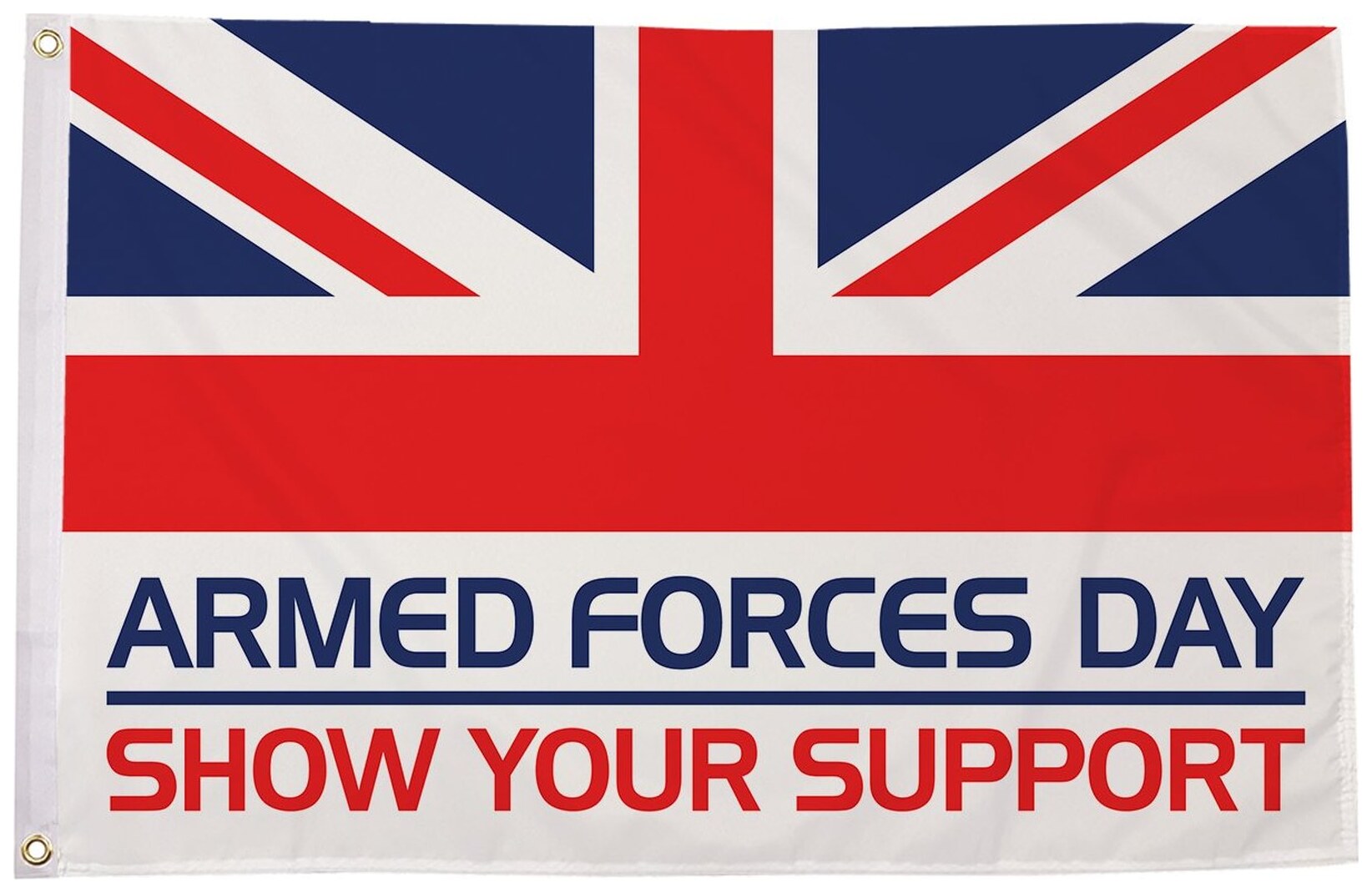
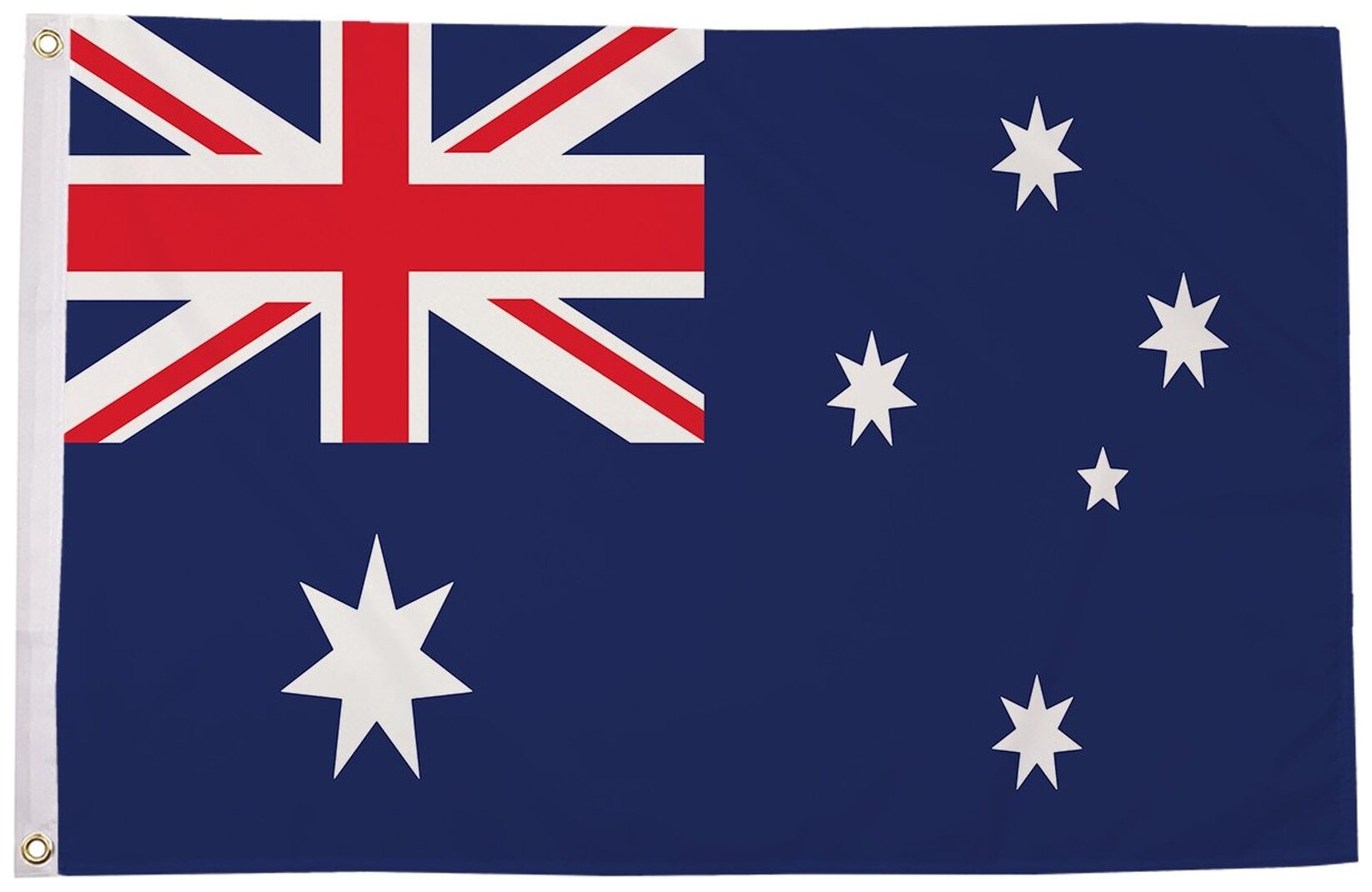
England
 Scotland
 Wales
 USA
 France
 Germany
 Spain
 Italy
 Australia
 European Union
 Confederate
 Rainbow
 Other Pride
 Red Ensign
 RAF Ensign
 Yorkshire
 Cornwall
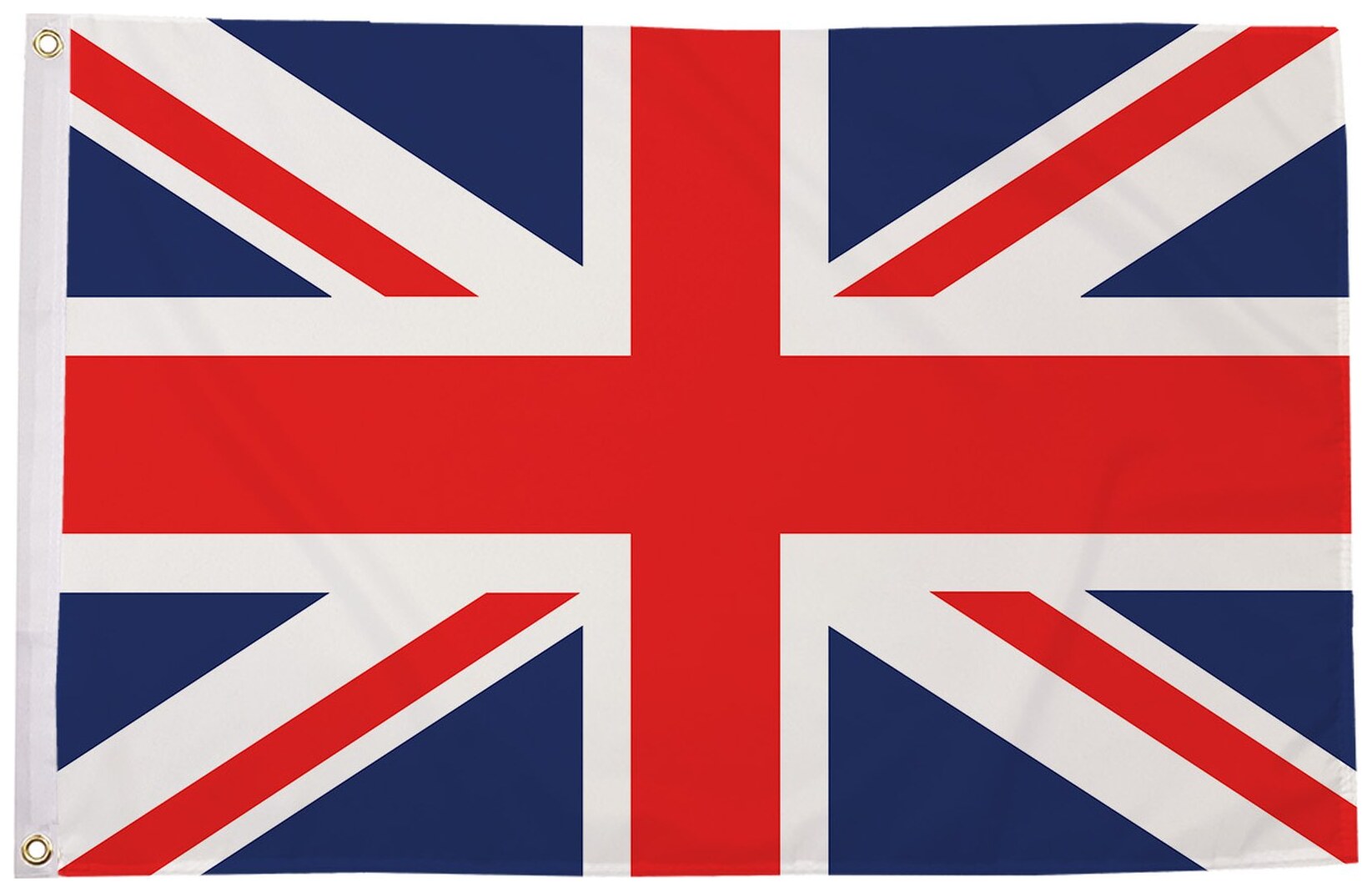
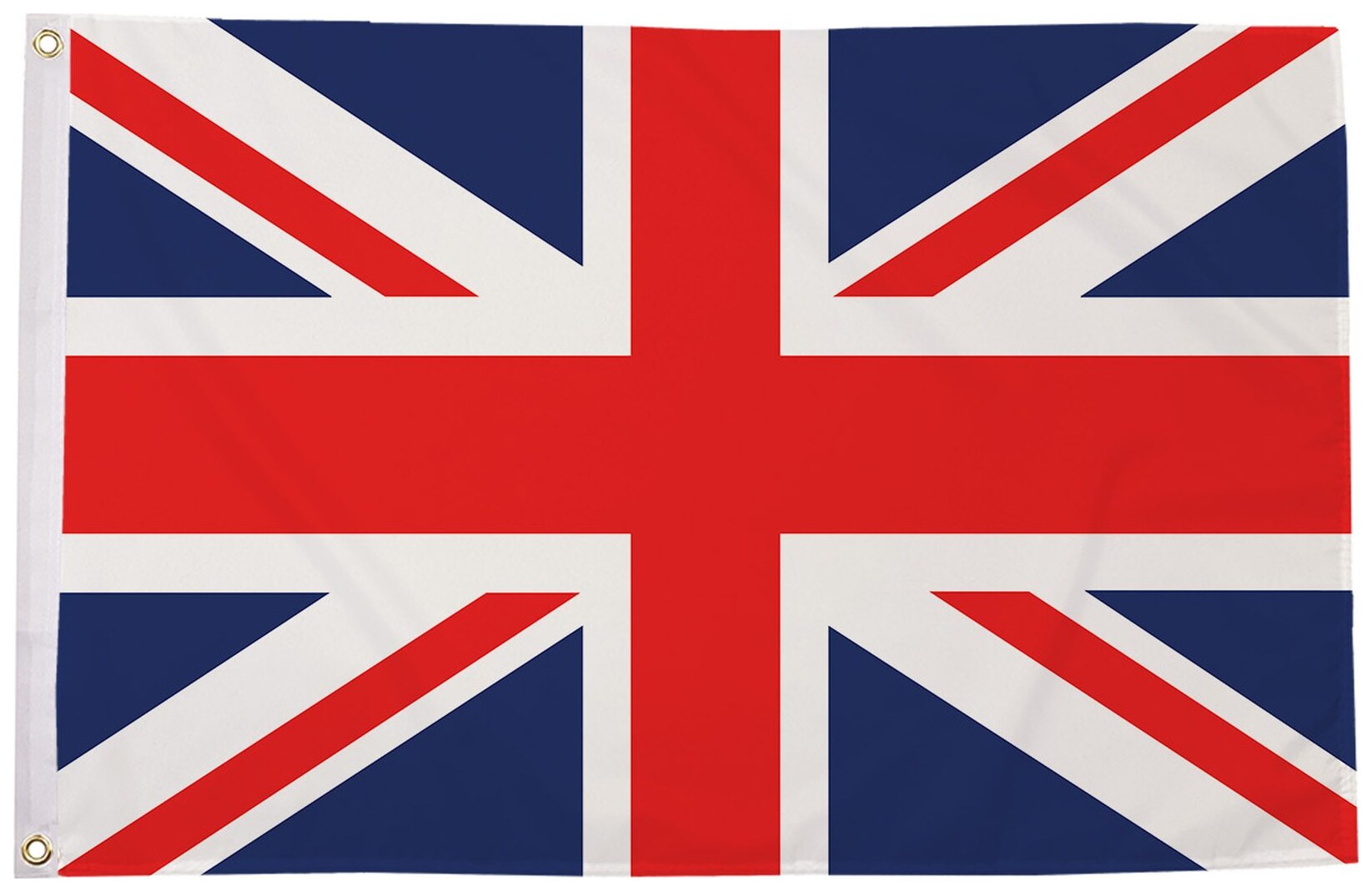
 Union Jack
 Ireland
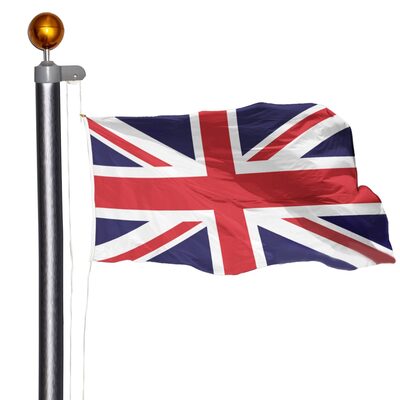

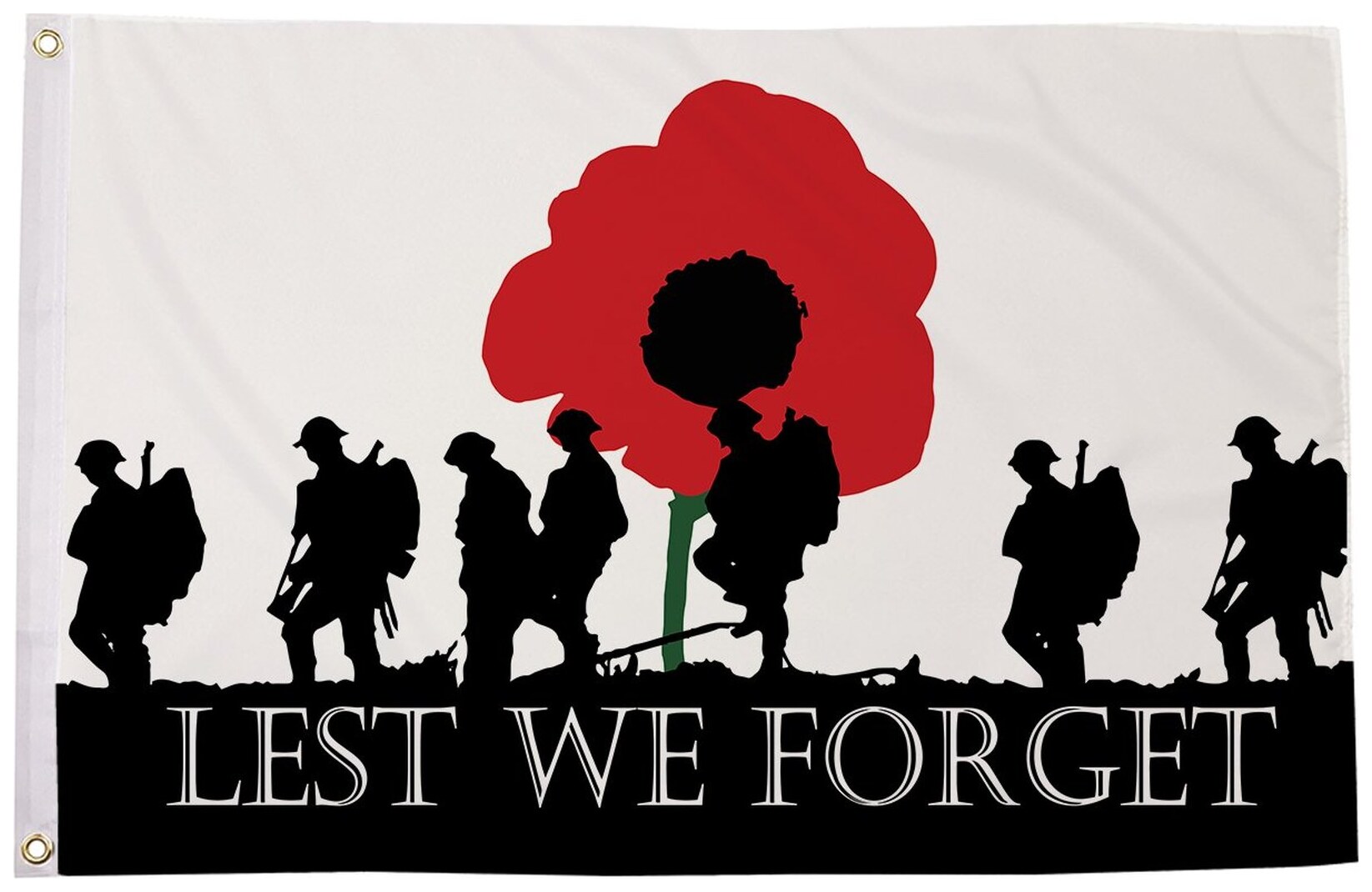
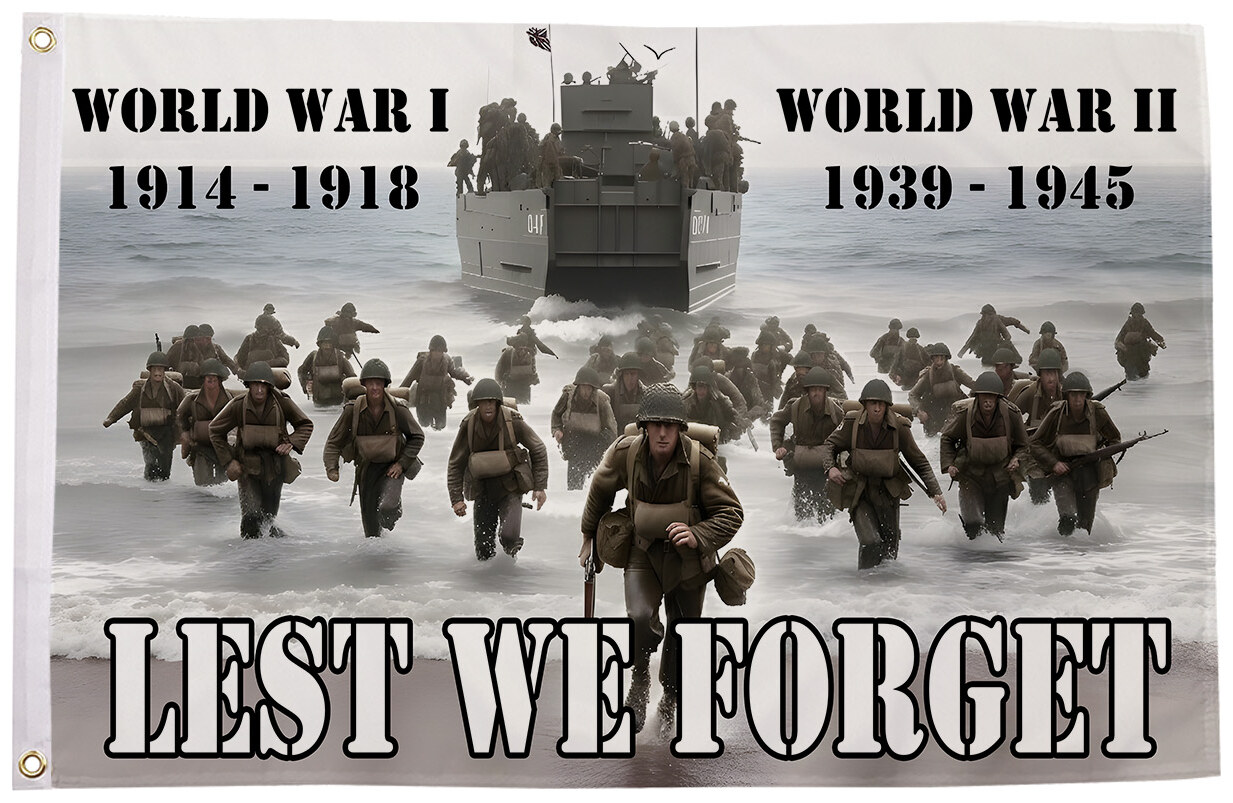
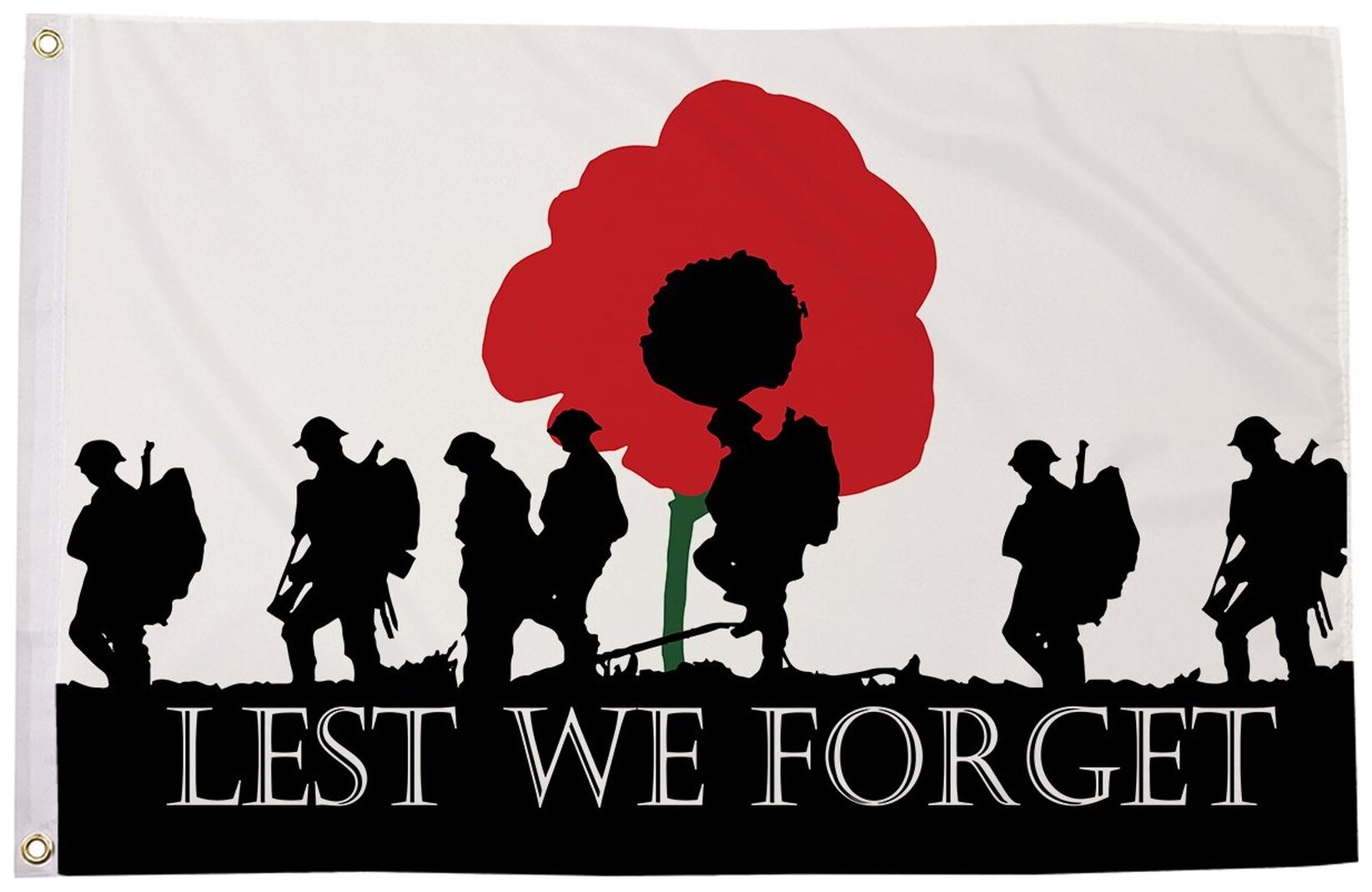
Remembrance Day flags are usually flown on two separate occasions: Armistice Day on 11 November, when the two-minute silence is held at 11am, and Remembrance Sunday, the second Sunday in November, when the national service takes place at the Cenotaph. On both days the Union Flag is normally flown at full mast, with Lest We Forget flags, poppy bunting and table flags used for local services, Legion branches, church halls and schools.
Armistice Day and Remembrance Sunday are not the same day
People often use "Remembrance Day" for both, which causes confusion when planning an event.
- Armistice Day (11 November) marks the moment fighting stopped on the Western Front at 11am on 11 November 1918. A two-minute silence is observed at 11am wherever the date falls in the week, so workplaces, schools and shops often pause for it.
- Remembrance Sunday (second Sunday in November) is the main national act of remembrance. The service at the Cenotaph in Whitehall and most town and village services, parades and wreath-layings take place on this day, also with a two-minute silence at 11am.
Some years the two days fall close together, some years almost a week apart. Here are the dates to plan around:
| Year | Remembrance Sunday | Armistice Day |
|---|---|---|
| 2026 | Sunday 8 November | Wednesday 11 November |
| 2027 | Sunday 14 November | Thursday 11 November |
Remembrance Sunday is one of the UK Government's designated days for flying the Union Flag on its buildings. Our guide to UK flag flying days lists the rest of the calendar.
Should Remembrance Day flags be at half-mast or full mast?
For most people the answer is full mast. Half-mast is a sign of mourning for a particular death, such as the death of the Sovereign or a national day of mourning. Remembrance is an act of commemoration rather than mourning, and Royal British Legion guidance has generally been that the Union Flag is flown at full mast on Armistice Day and Remembrance Sunday.
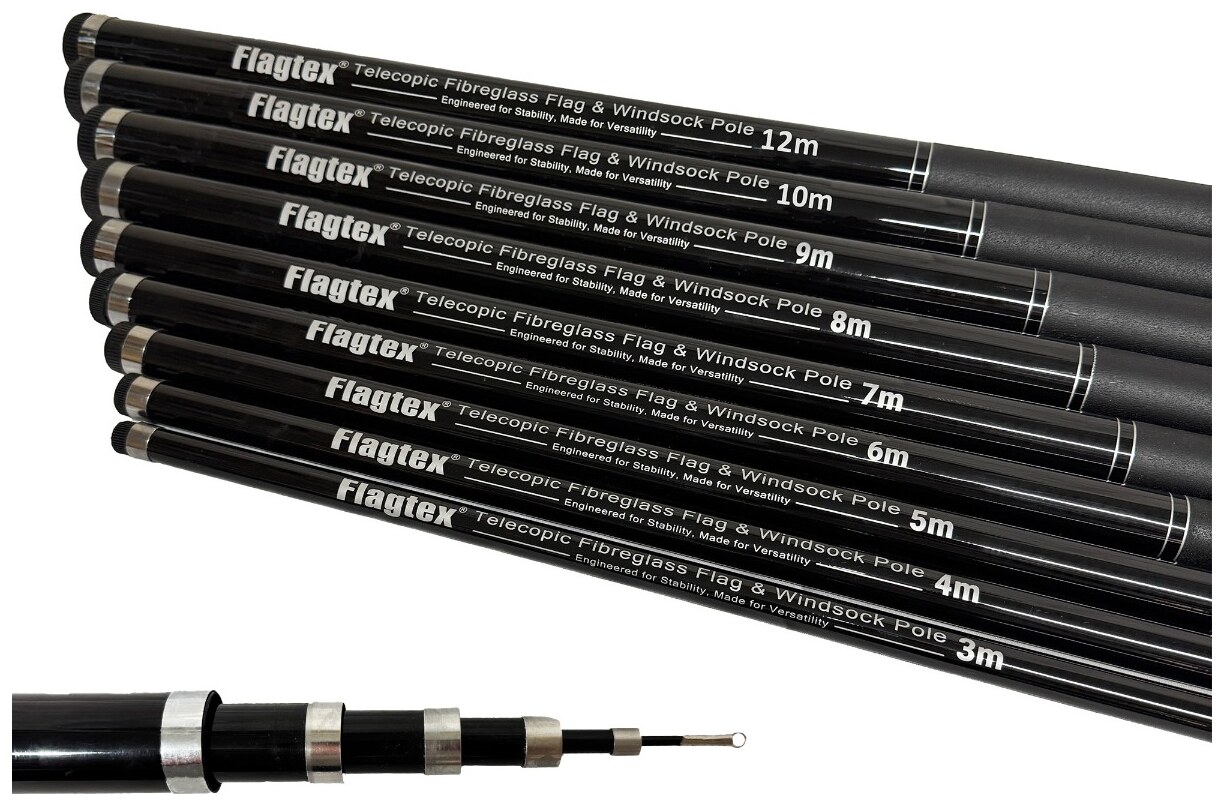
That said, practice does vary. Some churches, councils and memorial committees lower their flag for the duration of a service or the silence and raise it again afterwards. If you fly a flag for an organisation, follow its own flag protocol and current government (DCMS) guidance. If you're flying at home, full mast is the safe, correct choice. If you do lower a flag, half-mast in the UK means roughly two-thirds of the way up the pole, with at least one flag-height of clear space above it. Our half-mast rules guide explains how to do it properly.
Which flags to use for a Remembrance service or display
| Setting | Suggested flags | Tip |
|---|---|---|
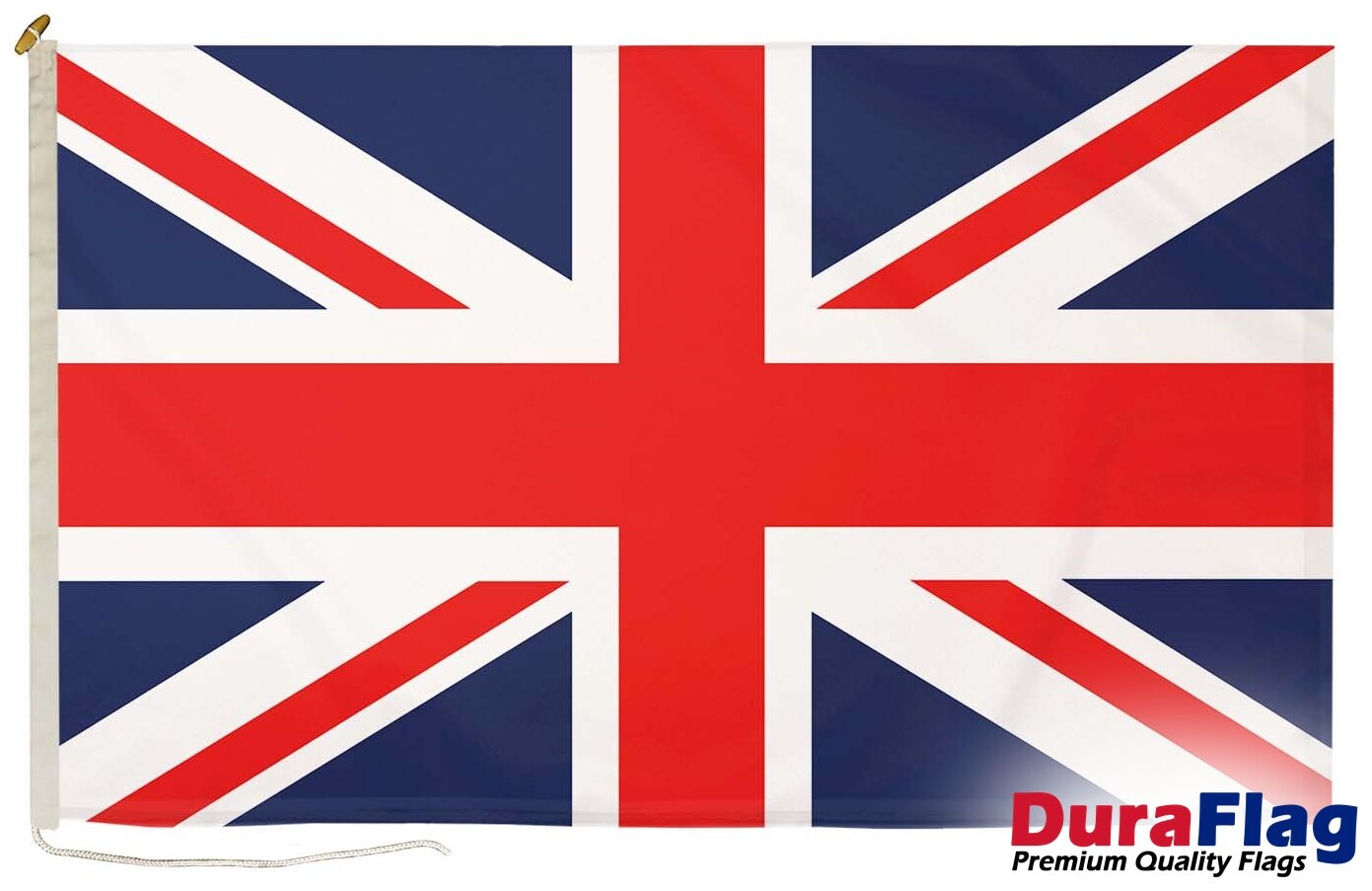
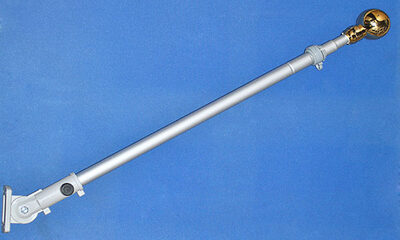
| Home flagpole or wall bracket | Union Jack or a Lest We Forget flag, 5ft x 3ft | Choose a heavier DuraFlag if it will fly for the whole Remembrance period |
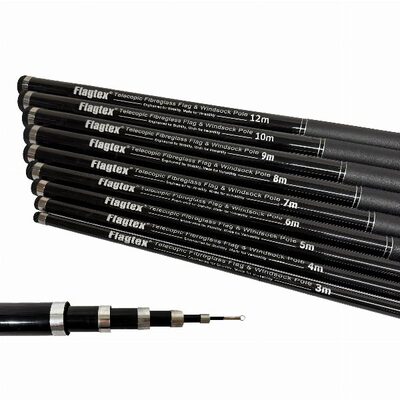
| War memorial or village green | Union Jack plus Army, Navy and RAF Lest We Forget flags | Fly them at the same height on separate poles; the Union Flag takes the position of honour |
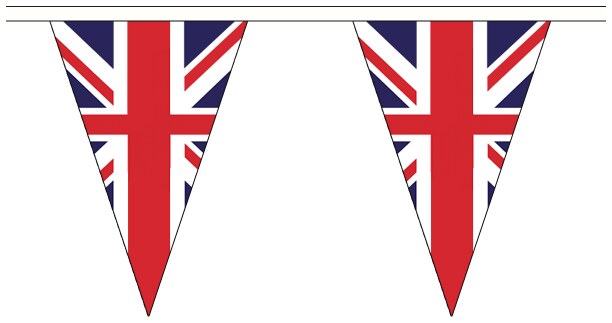
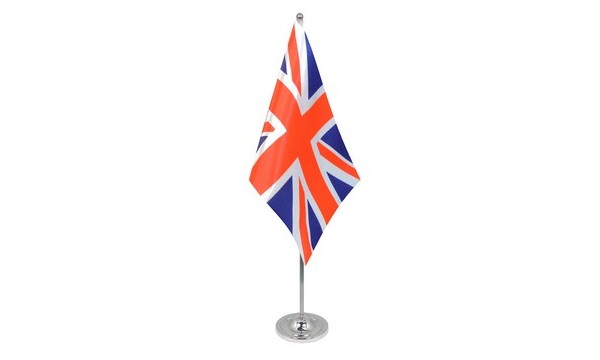
| Church hall, Legion branch or club | Poppy bunting along walls, table flags on refreshment tables | Satin or wooden table flags look smarter for a formal reception |
| School assembly or classroom | Lest We Forget hand flags, poppy bunting, a 3ft x 2ft flag behind the lectern | Hand flags on wooden poles are safest for younger children |
Our Lest We Forget flags include designs for each service, and the Lest We Forget (Army) DuraFlag has a reinforced header and stitched fly end for flags that will stay up for a fortnight or more. For halls and schools, Remembrance Day bunting such as our poppy bunting adds colour without being showy. Our British military table flags work well on tables where wreaths or books of remembrance are laid out.
A note on the poppy: the red remembrance poppy is a trademark of the Royal British Legion. Our poppy-design flags and bunting are decorative products and are not official Royal British Legion merchandise. If you want to support the Poppy Appeal, donate to the Legion directly.
Looking after flags you'll use again next year
Remembrance flags tend to come out once a year, so a little care goes a long way:
- Take flags down in strong wind or prolonged rain rather than leaving them to thrash.
- Dry them completely before you put them away. Folding a damp flag leads to mildew and colour run.
- Hand-wash in cool water with a mild detergent if they're grubby, and never use bleach.
- Store them flat or loosely rolled in a dry cupboard, away from sunlight.
For a war memorial or Legion flagpole that flies all November, it's worth owning two flags and rotating them.
Frequently asked questions
Is Remembrance Day always on a Sunday?
No. Armistice Day is always 11 November, whatever day of the week it falls on. Remembrance Sunday is the second Sunday in November. Both have a two-minute silence at 11am.
Can I fly a Lest We Forget flag instead of the Union Jack?
Yes. There are no rules against it, and many people fly one on its own. If you have two poles, fly the Union Flag alongside it in the position of honour.
When should I put my Remembrance flags up and take them down?
Many people fly them from late October or the start of November until after Armistice Day. There is no fixed rule, but a flag in good condition matters more than how long it stays up.
Are your poppy flags official Royal British Legion products?
No. They are our own decorative designs. The Royal British Legion runs the Poppy Appeal and owns the poppy trademark, so donate to the Legion if you want to support it.
Whether you're dressing a memorial, a hall or a front garden, you'll find flags, bunting and table flags for the whole Remembrance period in our Remembrance Day collection.