England
 Scotland
 Wales
 USA
 France
 Germany
 Spain
 Italy
 Australia
 European Union
 Confederate
 Rainbow
 Other Pride
 Red Ensign
 RAF Ensign
 Yorkshire
 Cornwall
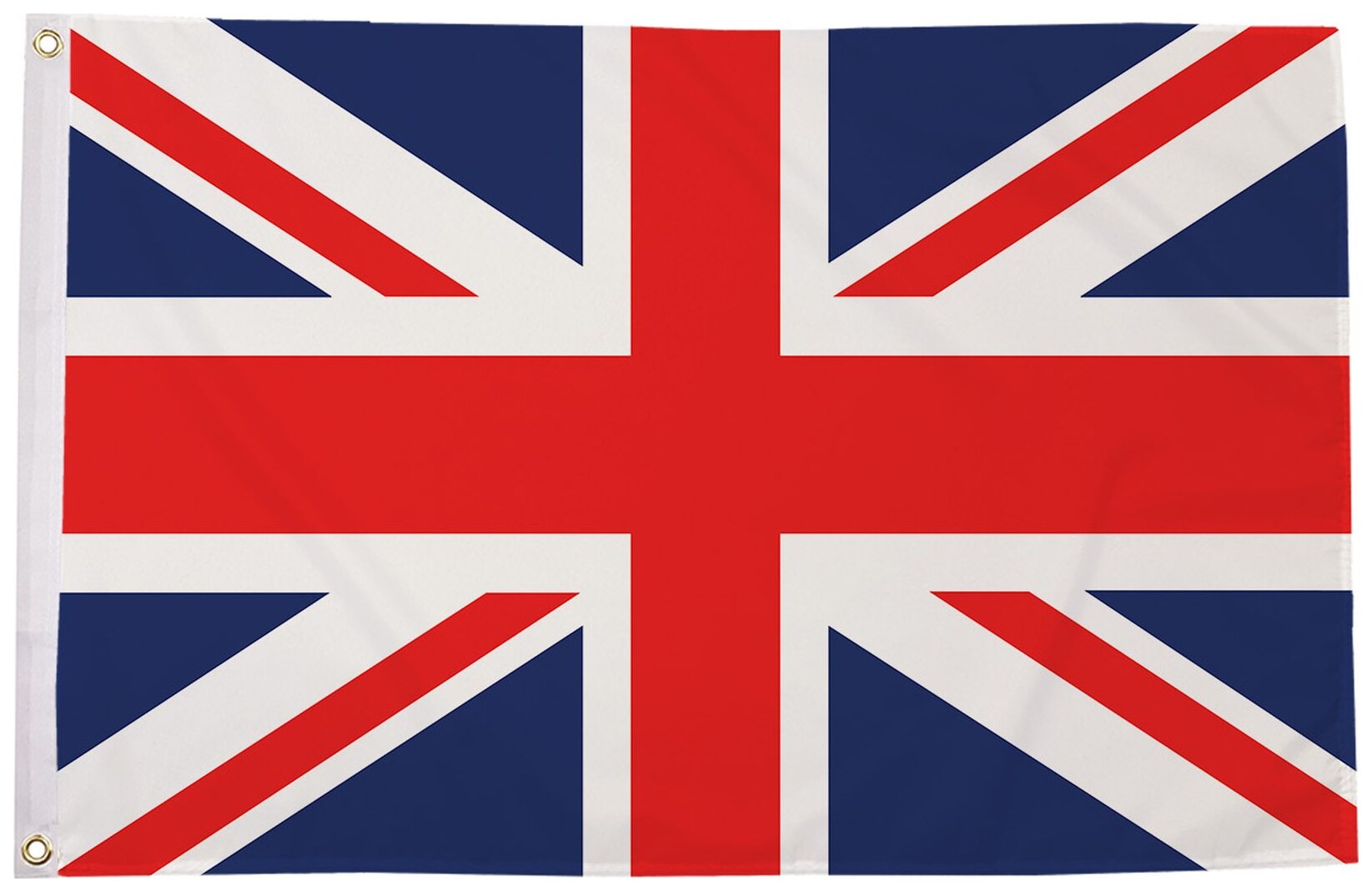
 Union Jack
 Ireland
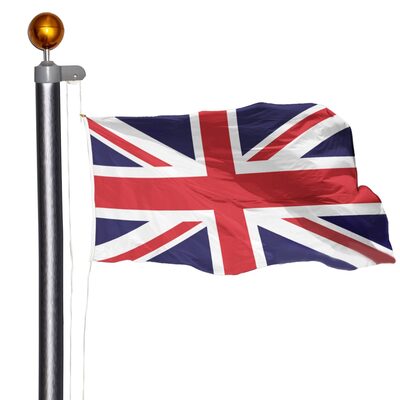

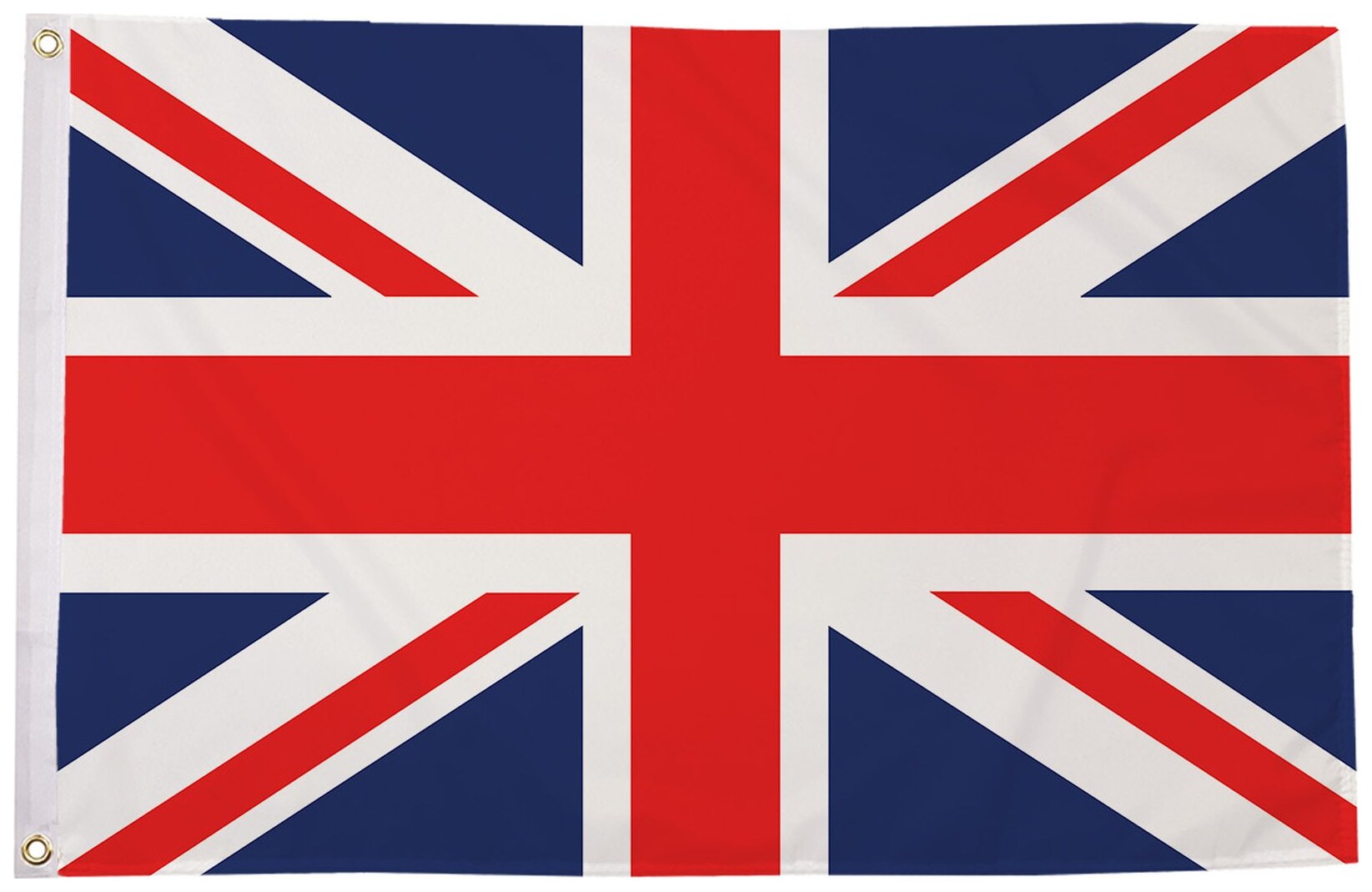
The UK's flag flying days are the "designated days" on which the Union Flag must be flown on UK Government buildings, by command of the King. They are published each year by the Department for Culture, Media and Sport (DCMS) on gov.uk and cover royal anniversaries, the four patron saints' days, Commonwealth Day and Remembrance Sunday. Anyone else, from councils to households, is free to follow the same calendar.
Several flag shops publish lists that are out of date, with old royal titles, retired dates or fixed dates for days that move each year. The table below follows the current gov.uk guidance, and we explain the rules behind each date so you can work them out in future years.
Flag flying days in the UK: this year's dates
Dates for 2026, taken from the DCMS guidance on gov.uk (last updated January 2026). Moving dates are explained in the right-hand column.
| Date (2026) | Occasion | How the date is set |
|---|---|---|
| 1 March | St David's Day (in Wales) | Fixed |
| 9 March | Commonwealth Day | Second Monday in March |
| 17 March | St Patrick's Day (in Northern Ireland) | Fixed |
| 9 April | The King's wedding anniversary | Fixed (married 2005) |
| 23 April | St George's Day (in England) | Fixed |
| 6 May | Coronation Day | Fixed (crowned 2023) |
| 13 June | The King's Official Birthday | A Saturday in June, announced each year |
| 21 June | Birthday of the Prince of Wales | Fixed |
| 17 July | Birthday of the Queen | Fixed |
| 8 September | The King's Accession | Fixed (acceded 2022) |
| 8 November | Remembrance Sunday | Second Sunday in November |
| 14 November | Birthday of the King | Fixed |
| 30 November | St Andrew's Day (in Scotland) | Fixed |
The Union Flag should also be flown on the days the King opens a new session of Parliament and the day Parliament is prorogued. The guidance says this applies in the Greater London area; check the gov.uk page for the current wording, as these dates are not known far in advance.
What "designated days" actually means
The designated days are a rule for UK Government buildings, not a legal requirement for anyone else. Since 2021 the guidance has also encouraged government buildings to fly the Union Flag every day of the year, with the designated days being the occasions when it must be flown. A few points that are often missed:
- Devolved and local government: the Scottish Government, Welsh Government and local councils set their own flag policies, and many choose to follow the DCMS list closely. Flag flying on government buildings in Northern Ireland is governed by separate legislation rather than this guidance.
- Patron saints' days: the list ties each saint's day to its own nation, so St David's Day appears "in Wales", St Andrew's Day "in Scotland" and so on. Many buildings in the nation concerned fly the national flag that day alongside, or instead of, the Union Flag.
- Other flags: the guidance explicitly allows other flags on other days, including national flags of the four nations, the Armed Forces Day flag, the Commonwealth flag and county or local flags.
- Private flyers: homeowners, businesses, schools and clubs can fly the Union Flag whenever they like. Following the designated days is simply a good way to mark national occasions consistently.
Royal dates: what changed after 2022
The list changed significantly after the accession of King Charles III. Older lists that you may still see online include dates such as 6 February (Queen Elizabeth II's accession), 21 April (her birthday) and 2 June (her coronation), along with the birthdays of other members of the Royal Family. These no longer appear. The current list includes only the King, the Queen and the Prince of Wales, plus the King's accession, coronation and wedding anniversary. If a list still mentions "the Duchess of Cambridge", it has not been updated for several years.
Remembrance Sunday and half-mast
The designated day is Remembrance Sunday, the second Sunday in November, which is not always the same as Armistice Day on 11 November. Many organisations fly the Union Flag at half-mast on Remembrance Sunday from the start of the service until the end of the two-minute silence, then raise it to full mast, but practice varies. Follow your organisation's own policy, and see our guides to half-mast rules in the UK and Remembrance Day flags for the detail.
Armed Forces Day and other popular days
Armed Forces Day (the last Saturday in June) is not one of the designated days for the Union Flag, but the guidance names the Armed Forces Day flag as one that government buildings may fly, and councils across the country raise it in the week beforehand. Other days many people mark with flags include VE Day (8 May), VJ Day (15 August), Merchant Navy Day (3 September) and county days such as Yorkshire Day (1 August), which we cover in our county days calendar.
Flying the Union Flag correctly on flag days
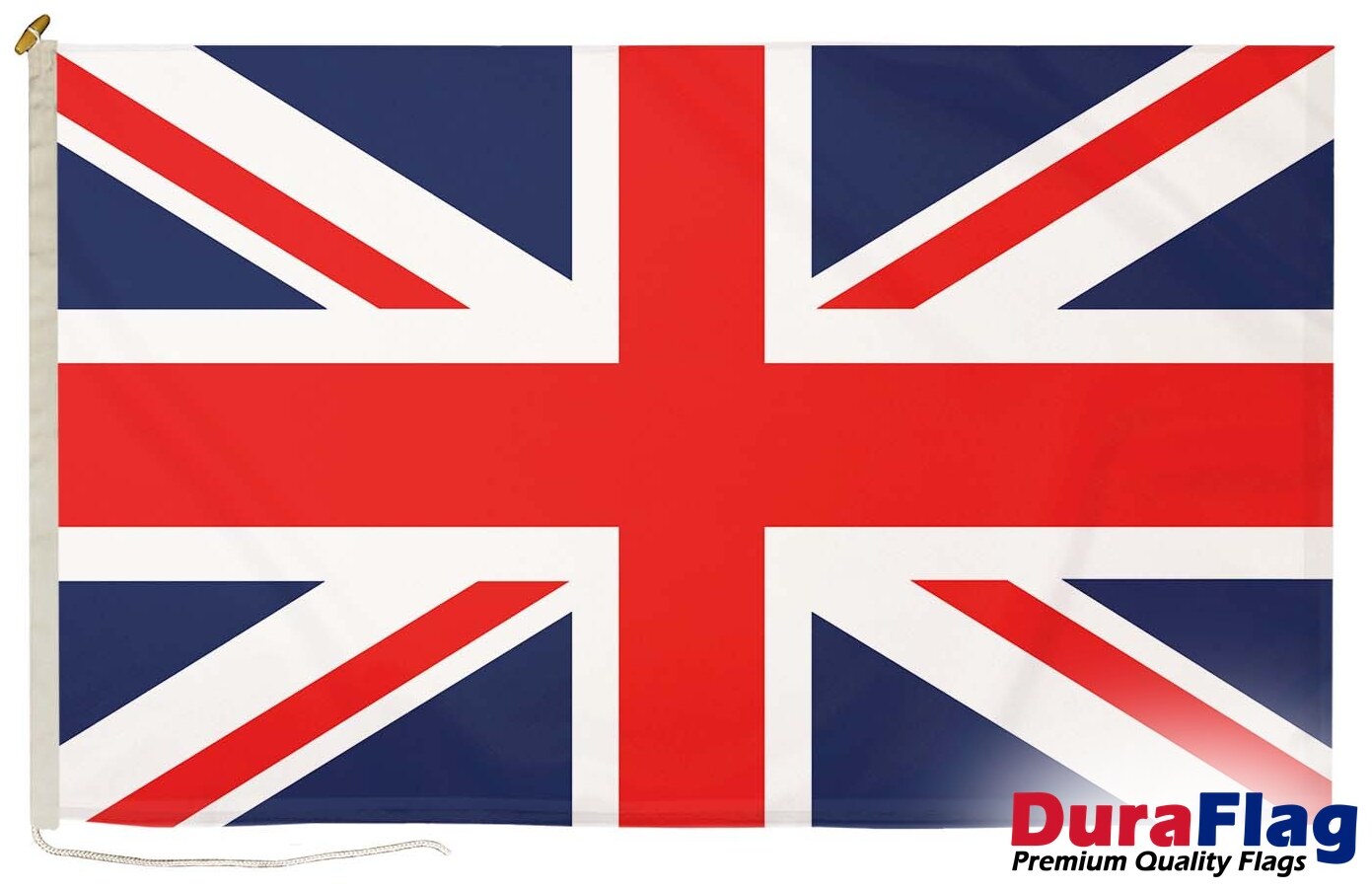
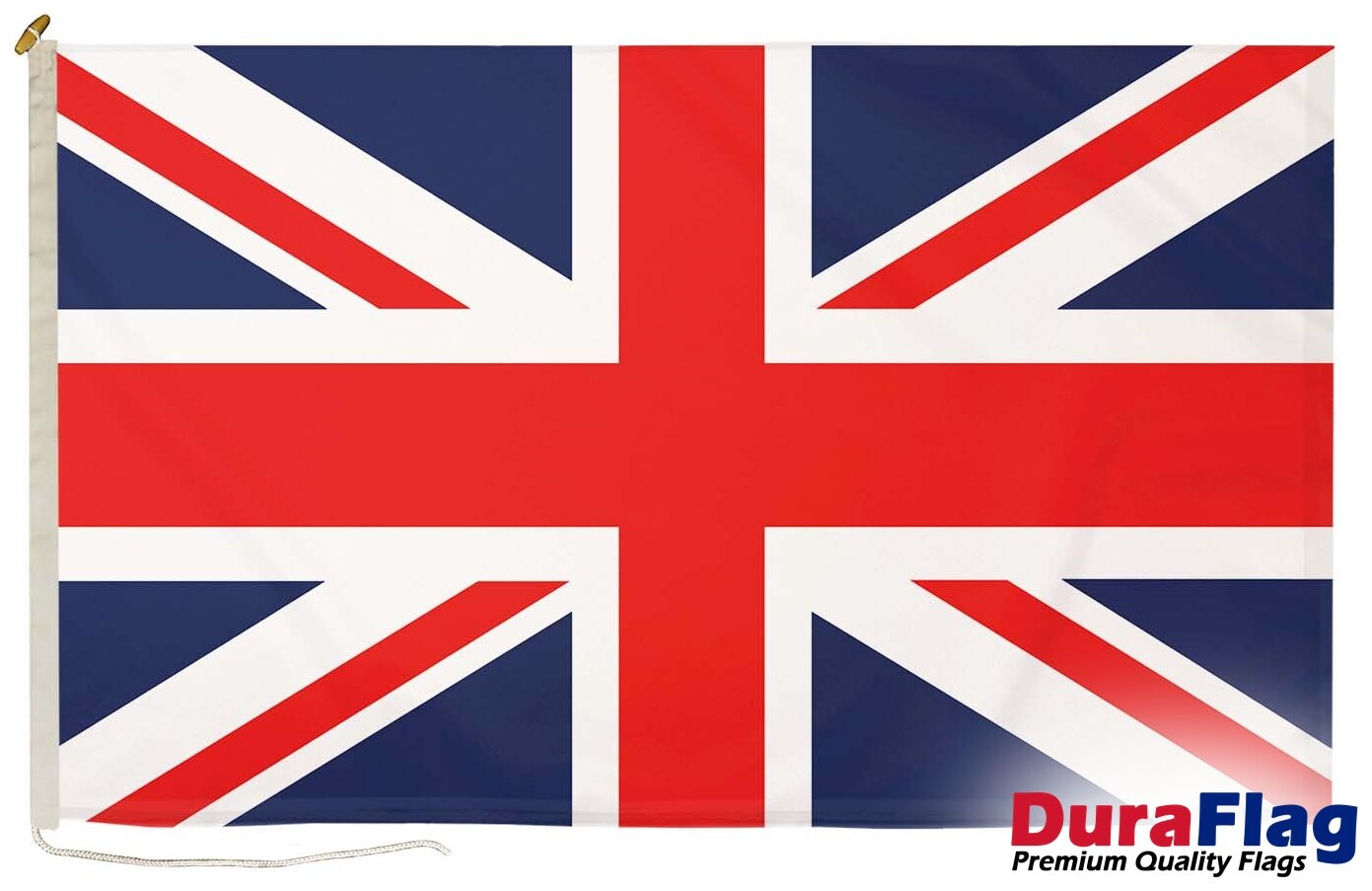
- Way up: the broad white diagonal should be uppermost in the top corner nearest the pole. Getting this the wrong way round is one of the most common mistakes.
- Position of honour: with two poles, the Union Flag goes on the higher pole, or on the left as seen by someone facing the building. More in our Union Jack flag etiquette guide.
- Times: traditionally flags fly from 8am to sunset, though many buildings now fly 24 hours with the flag lit at night.
- Condition: a frayed or faded flag looks worse than no flag. Replace it before important days.
Frequently asked questions
Do I have to fly a flag on flag flying days?
No. The designated days apply to UK Government buildings. Everyone else can choose whether to follow them.
Are the Princess of Wales's and Princess Royal's birthdays still flag days?
They are not on the current gov.uk list, which covers the King, the Queen and the Prince of Wales only. Some older lists still include them.
Is the King's birthday 14 November or in June?
Both. His actual birthday is 14 November and his Official Birthday, marked by Trooping the Colour, is a Saturday in June. Both are flag days.
Where can I check next year's dates?
Search for "designated days for Union Flag flying" on gov.uk. DCMS usually updates the page early in each year. We refresh this guide each January.
Can a business fly the Union Flag every day?
Yes. Many do. If you are putting up a new pole, check the planning rules for your part of the UK first, as they differ between England, Scotland, Wales and Northern Ireland.
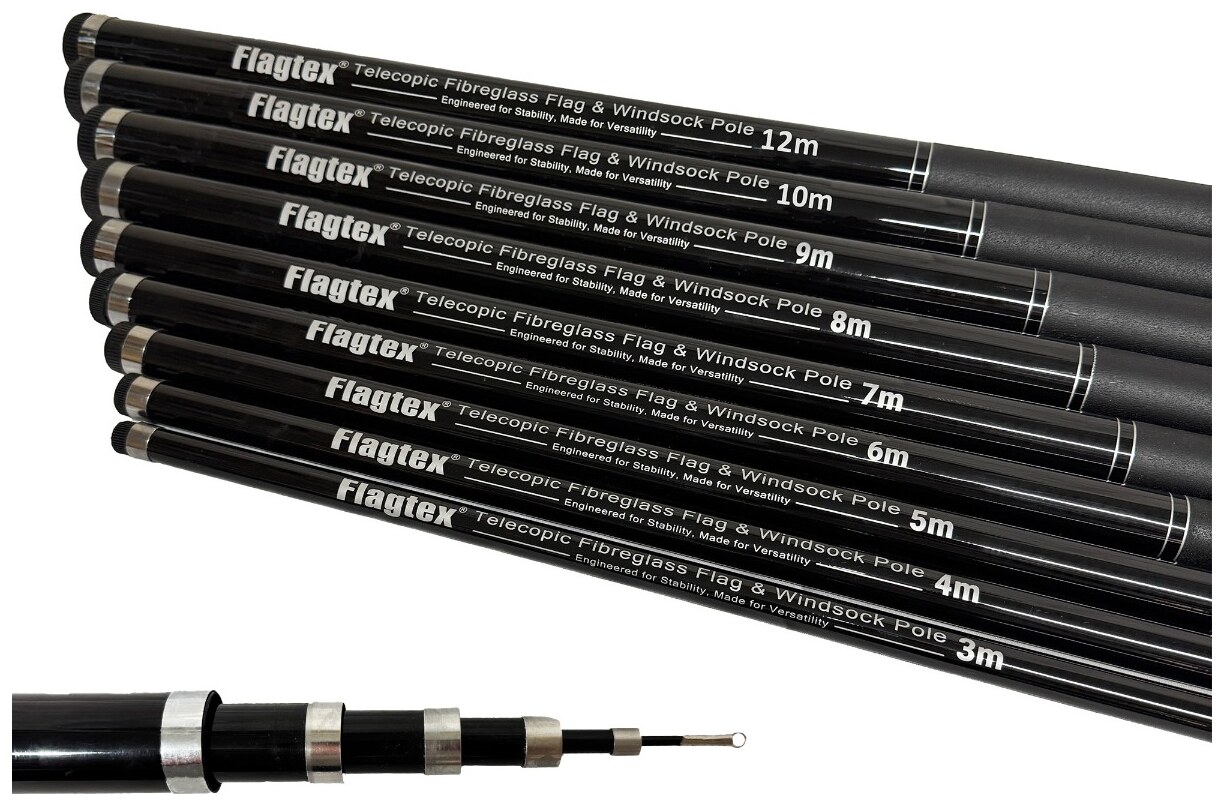
Ready for the next flag day? Choose a long-lasting Union Jack DuraFlag for a permanent pole or browse the full Union Jack range and our home nation flags for the saints' days. If you need somewhere to fly them, a telescopic flagpole goes up without digging or concrete, and our royal events collection covers coronation and birthday celebrations.