England
 Scotland
 Wales
 USA
 France
 Germany
 Spain
 Italy
 Australia
 European Union
 Confederate
 Rainbow
 Other Pride
 Red Ensign
 RAF Ensign
 Yorkshire
 Cornwall
 Union Jack
 Ireland
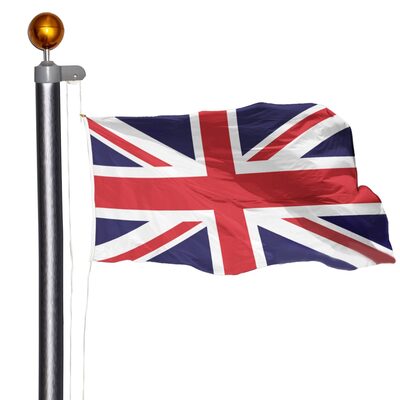

In the UK, a flag at half-mast is flown about two-thirds of the way up the pole, with at least the height of the flag itself left clear above it. It is not flown a third of the way up, and it is not simply lowered a little from the top. To put it there, you raise the flag to the very top first, pause for a moment, then lower it slowly to the half-mast position.
Quick answer: about two-thirds up the pole, with at least one flag's height of clear pole above it. Raise to the top, pause, then lower. To take it down, raise it to the top again before lowering it fully. Flags fly at full mast on Remembrance Sunday, and the Royal Standard is never half-masted.
How high is half-mast?
The phrase suggests halfway, but the established UK practice is about two-thirds of the way up. The important part of the rule is the gap: there should be at least the height of the flag clear above it, so it is obvious to anyone looking that the flag has been deliberately lowered rather than slipped down the halyard.
On a tall pole with a modest flag, two-thirds up will leave plenty of space. On a shorter pole with a large flag, you may need to bring it a little lower to keep that clear gap. Use the flag's height as your guide rather than measuring the pole exactly.
How to fly a flag at half-mast, step by step
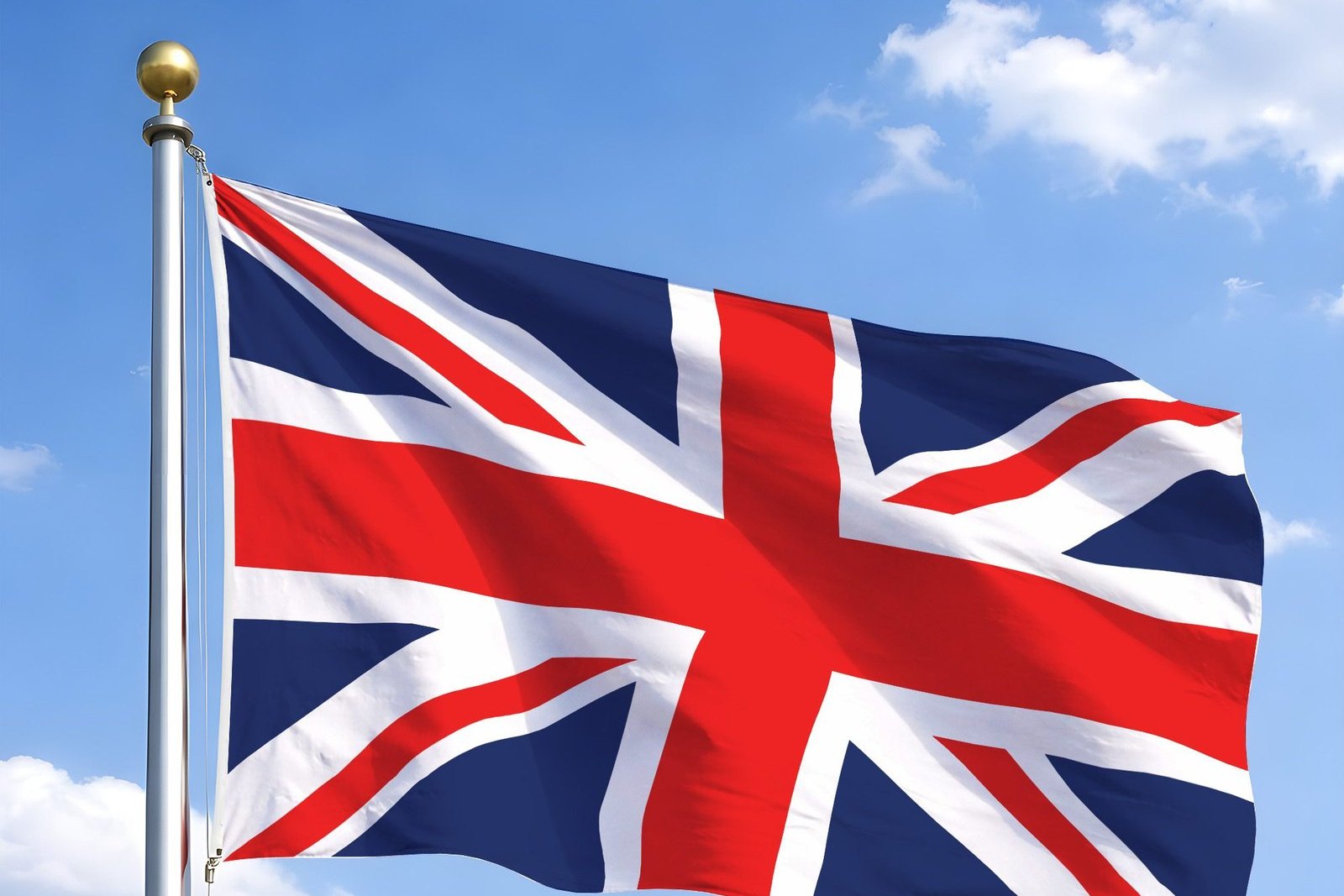
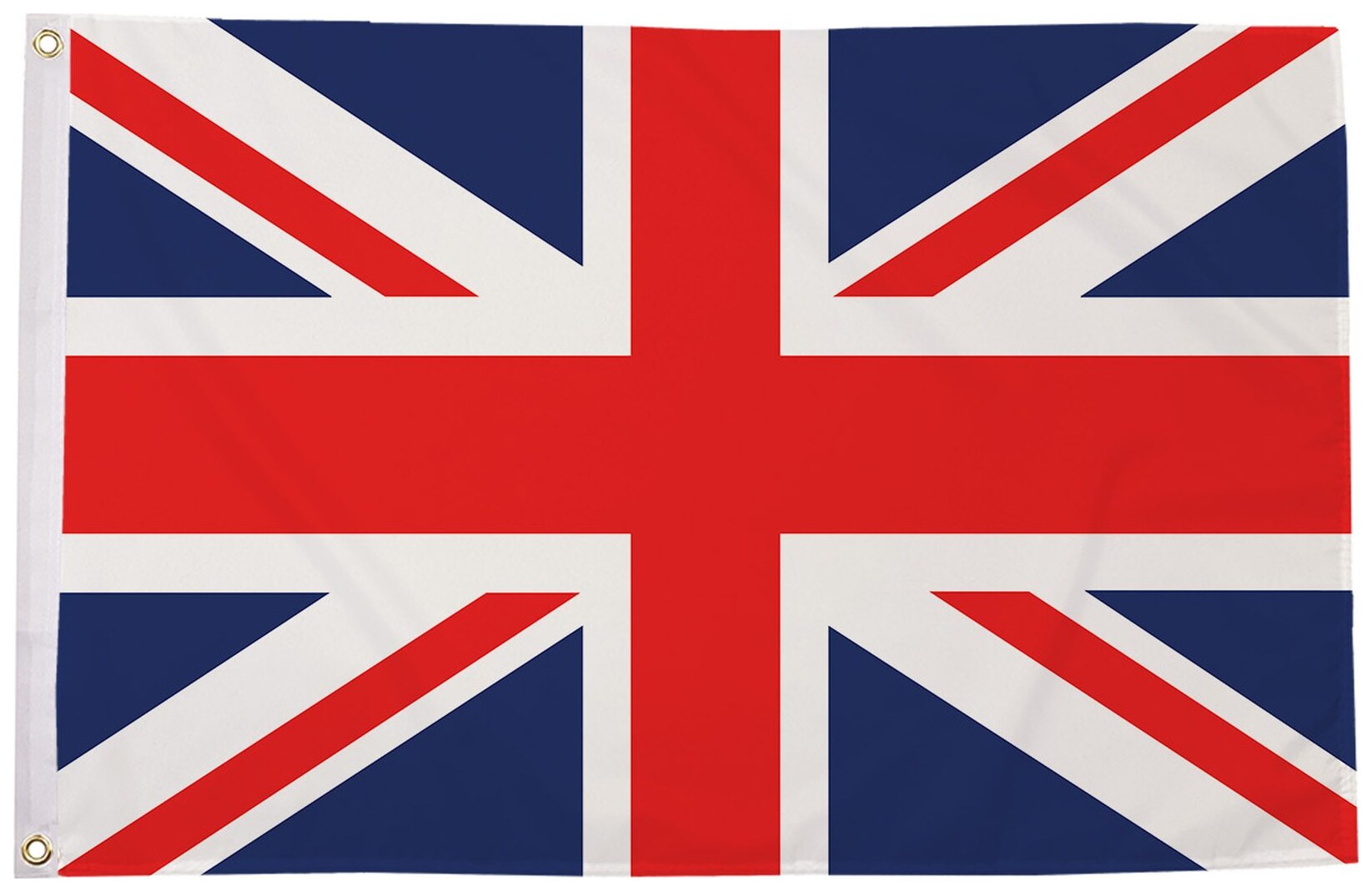
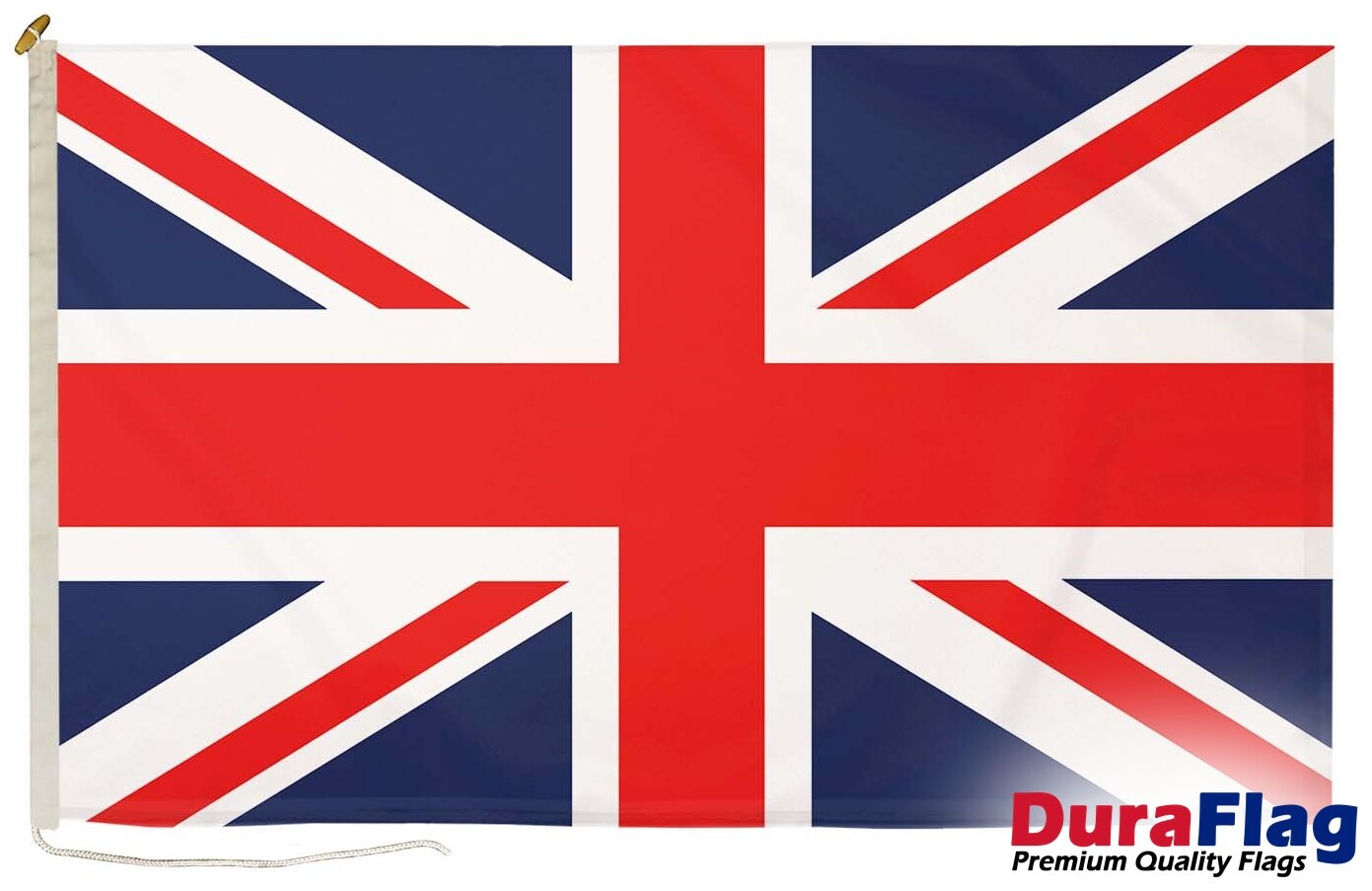
- Attach the flag to the halyard as normal, checking it is the right way up. For the Union Flag, the broad white diagonal should be above the red diagonal in the top corner nearest the pole.
- Raise it briskly to the top of the pole.
- Pause for a moment at the top.
- Lower it slowly to the half-mast position, about two-thirds up, with at least the flag's height clear above it.
- Secure the halyard firmly so the flag stays in position.
When the period of mourning ends, or at the end of the day, reverse the process: raise the flag to the top of the pole again, pause, and then lower it fully. A flag should not be taken straight down from half-mast.
If you fly several flags together, remember that the senior flag is raised first and lowered last. Our guide to the flag order of precedence explains which flag counts as senior.
Who decides when flags fly at half-mast?
National half-masting happens on the instruction of the monarch or the government. Typical occasions include the death of the sovereign or a member of the Royal Family, the death of a former Prime Minister, and national tragedies. When an instruction is given, it applies to government buildings, and many other organisations, councils, schools and businesses choose to follow it.
Because the occasions and timings are set at the time, the best approach is to follow the official announcement rather than assume. The instruction will normally say when flags should be lowered and when they should return to full mast.
The Royal Standard is never half-masted
The Royal Standard represents the monarch, and it is never flown at half-mast, even during national mourning. It flies when the monarch is in residence; when they are not, the Union Flag is flown instead, and it is the Union Flag that is lowered.
Remembrance Sunday: full mast
This is one of the most common mistakes. On Remembrance Sunday, flags fly at full mast, not half-mast. Remembrance Sunday is a designated flag day, and the flag is flown in the normal way as a mark of respect. If you are preparing for the day, our Lest We Forget flags are a popular choice alongside the national flag.
Half-masting for private reasons
You do not need an official instruction to half-mast your own flag. Private flyers may lower their flag for their own reasons, for example a sports club marking the death of a long-standing member, a business remembering a founder or colleague, or a family marking a loss. The same method applies: two-thirds up, the flag's height clear above it, raised to the top first and returned to the top before lowering.
It is courteous to let members, staff or neighbours know why the flag is lowered, particularly at a club or workplace, so nobody mistakes it for a national announcement.
What if my flagpole can't half-mast?
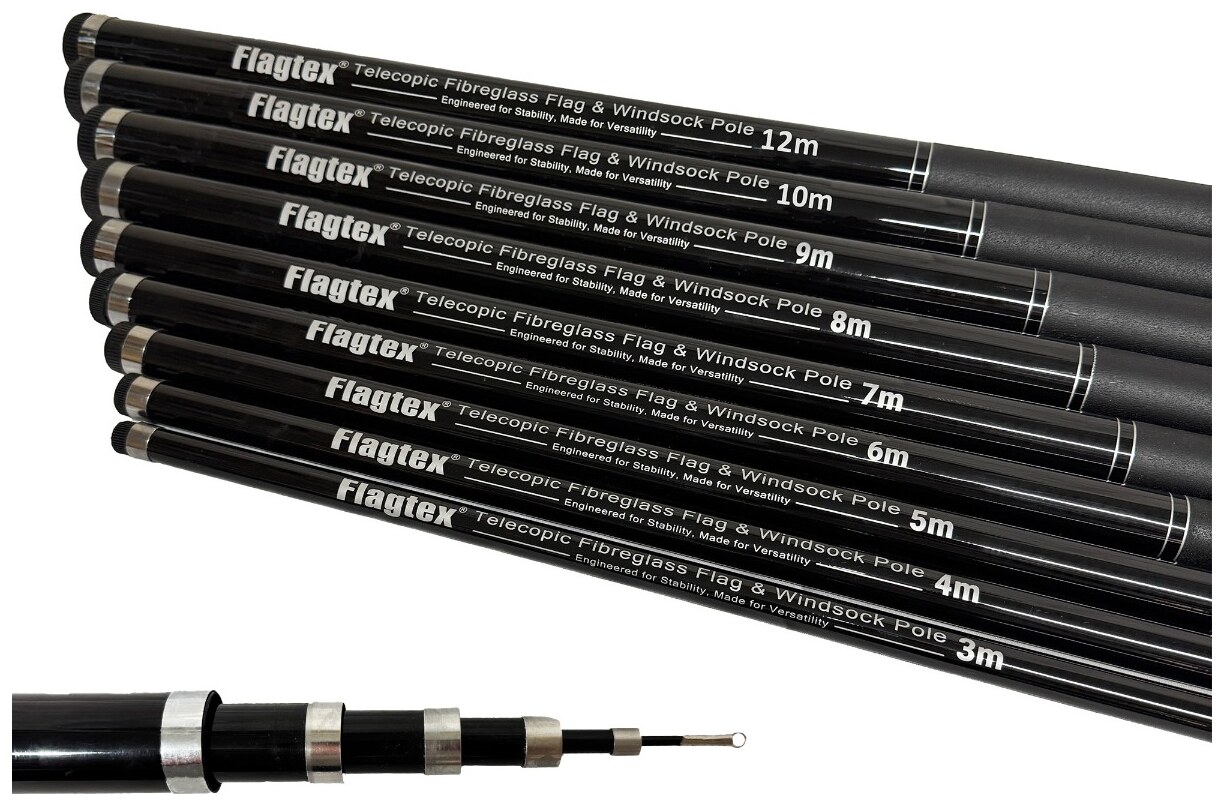
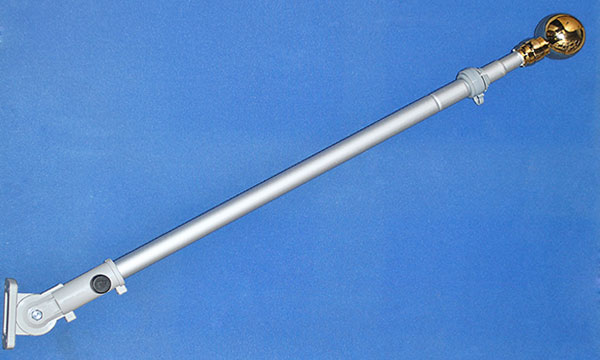
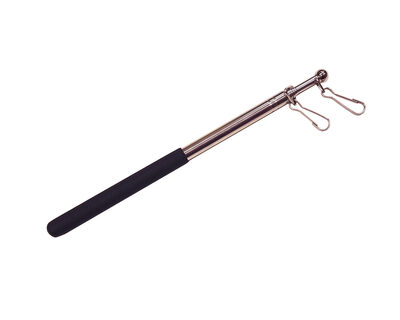
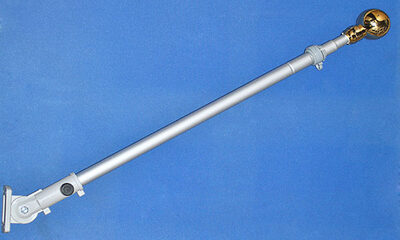
Not every pole is built to half-mast. Many wall-mounted poles carry the flag on a fixed sleeve or ties, and many telescopic poles hold the flag at a set position near the top, so there is no halyard to lower it on. Our telescopic flag pole, for example, is designed to go up quickly and fly a 5x3 flag rather than to be adjusted up and down during the day.
Where half-masting is not possible, a common practice is to attach a black ribbon or mourning bow at the top of the flag, near the pole. This is a widely used alternative rather than an official rule, but it shows clearly that the flag is being flown in mourning. Some people simply choose not to fly the flag during the mourning period instead.
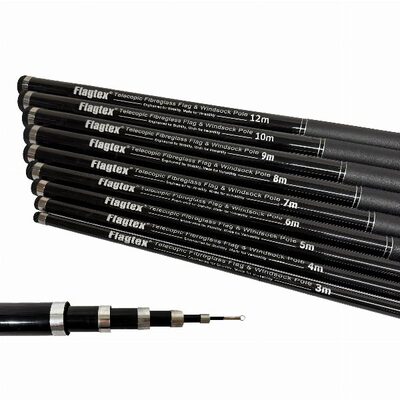
If you expect to half-mast regularly, for example at a school, council building or club, it is worth choosing a pole with a halyard and cleat. Our flag poles range covers wall-mounted, telescopic and full-size options, so you can compare how each one carries the flag.
Half-mast or half-staff?
Both terms describe the same thing. "Half-mast" is the usual term in the UK, whether the flag is on a ship or on land. "Half-staff" is the term used mainly in the United States. In British usage, half-mast is correct for a flagpole in a garden, on a building or at sea.
Other points of etiquette
- Flags are normally flown from sunrise to sunset, or at night if illuminated. The same applies when half-masted.
- A worn or faded flag looks out of place at a time of mourning, so check its condition before it goes up. Our Union Jack flags come in several sizes and fabrics if you need a replacement.
- Do not fly a flag upside down to signal mourning. An upside-down flag is traditionally a distress signal.
For the wider rules, including flag days and flying times, see our UK flag etiquette guide.
Frequently asked questions
Is half-mast a third of the way down or a third of the way up?
A third of the way down. In the UK a flag at half-mast sits about two-thirds of the way up the pole, with at least the flag's own height clear above it.
Do flags fly at half-mast on Remembrance Sunday?
No. On Remembrance Sunday flags fly at full mast. Half-masting is for periods of mourning, usually on instruction from the monarch or government.
Can a business or club fly its flag at half-mast?
Yes. Private flyers may half-mast for their own reasons, such as the death of a member or colleague, as well as following national instructions.
Why should I raise the flag to the top before lowering it?
It is the traditional method. Raising the flag to the top first, then lowering it, shows that the lowered position is deliberate. The same applies in reverse when taking it down.
What can I do if my wall pole has no halyard?
A common practice is to tie a black ribbon or mourning bow at the top of the flag. It is not an official rule, but it is widely understood as a sign of mourning.
If you need a replacement flag or a pole that can half-mast, browse our Union Jack flags and our flag poles. Orders placed before 2pm are dispatched the same day, with free 1–2 day UK delivery.