England
 Scotland
 Wales
 USA
 France
 Germany
 Spain
 Italy
 Australia
 European Union
 Confederate
 Rainbow
 Other Pride
 Red Ensign
 RAF Ensign
 Yorkshire
 Cornwall
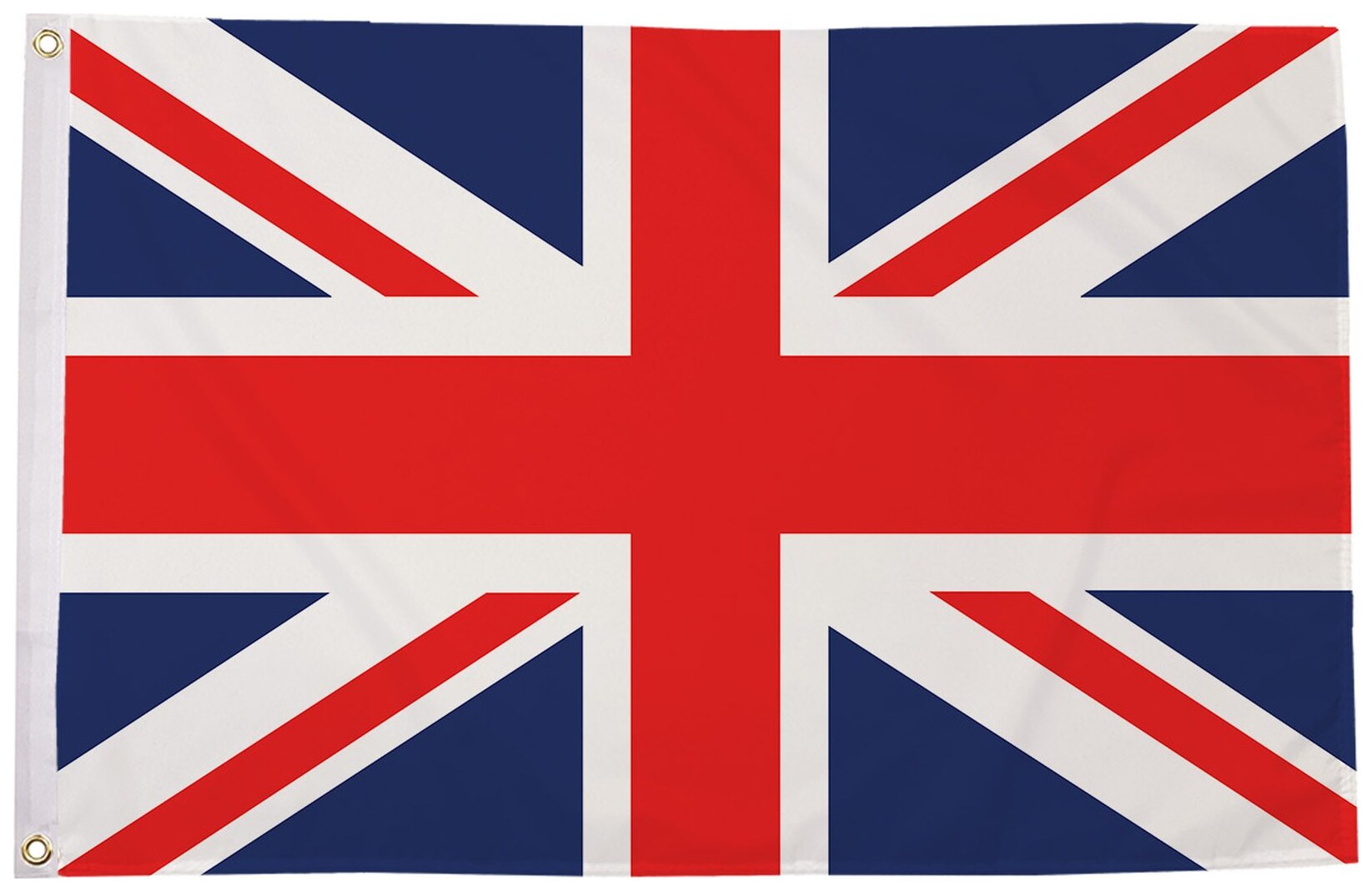
 Union Jack
 Ireland
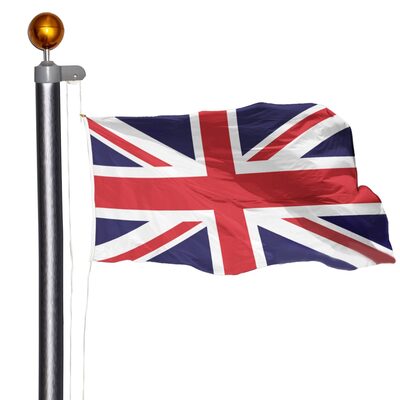

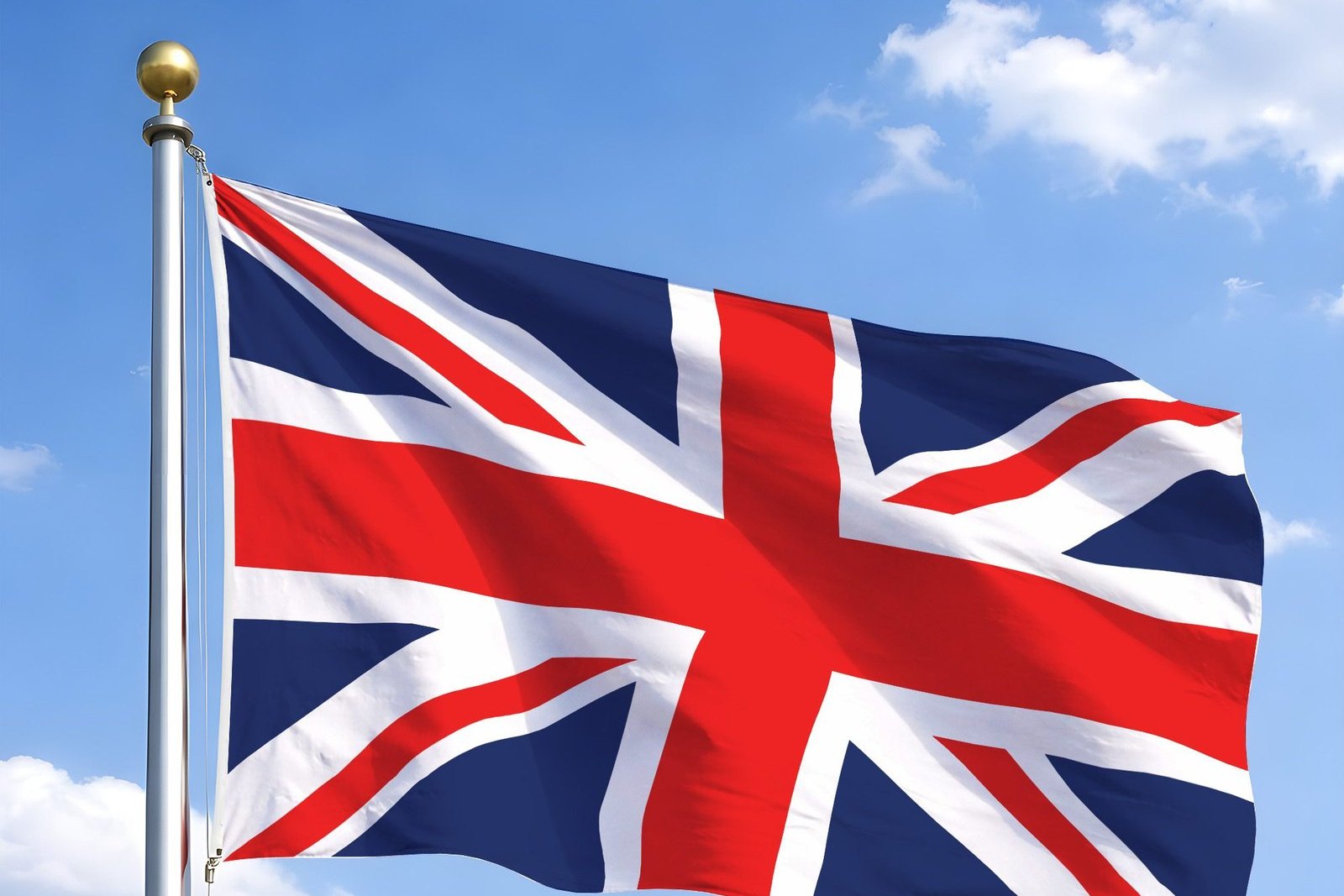
Both names are correct. The Flag Institute accepts both "Union Flag" and "Union Jack" for the national flag of the United Kingdom, and they describe exactly the same flag. You may hear that it is only a "Jack" when flown at sea, but that is a myth.
Quick answer: "Union Jack" and "Union Flag" are both acceptable names for the UK's national flag. The first version dates from 1606, under James VI of Scotland and I of England; the current design, with St Patrick's saltire, dates from 1 January 1801.
A short history of the Union Flag
The flag grew out of a union of crowns. In 1603 James VI of Scotland also became James I of England, and in 1606 the first Union Flag was created by combining the red cross of St George, for England, with the white saltire of St Andrew, for Scotland. This is why the flag is associated with James VI and I.
The design we know today came later. On 1 January 1801, with the Union with Ireland, the red saltire of St Patrick was added. It sits over the white saltire of St Andrew, which is why the diagonals look offset rather than centred. That offset is also why the flag has a right way up: in the half nearest the pole, the broad white diagonal should be above the red diagonal. Our post on whether the Union Jack is upside down explains how to check.
Why is it called the Union Jack?
"Union" is straightforward: the flag represents the union of the countries within it. The origin of "Jack" is less certain, and there are several theories.
- The jack flag at sea. A "jack" is a small flag flown at the bow of a ship. The union flag was flown in this position on naval ships, and the name may have come from that use.
- King James. Another suggestion is that "Jack" refers to James himself, from the Latin form of his name, Jacobus, since the flag was created during his reign.
- Other explanations. Various other origins have been suggested over the years.
No one knows for certain which is right, and it is quite possible more than one played a part. What matters for everyday use is that the name has been in common use for centuries and is accepted today.
The "only at sea" myth
A popular claim says the flag should only be called the Union Jack when it is flown from the jack staff of a ship, and that on land it must be called the Union Flag. It is a tidy story, but it isn't true. The Flag Institute's view is that both names are acceptable, on land or at sea. You can call the flag on your house, school or office either name and be correct.
In this shop we use "Union Jack" in most of our product names, simply because it is the name most people search for, and "Union Flag" where it reads more naturally.
The three crosses
The Union Flag combines three crosses, each linked to a patron saint.
| Cross | Represents | Design | Patron saint's day |
|---|---|---|---|
| St George's Cross | England | Red cross on a white field | 23 April |
| St Andrew's Cross (Saltire) | Scotland | White diagonal cross on a blue field | 30 November |
| St Patrick's Saltire | Ireland | Red diagonal cross on a white field | 17 March |
The blue of the Union Flag comes from the St Andrew's flag, the red upright cross from St George, and the red diagonals from St Patrick. The white borders, called fimbriation, separate the colours so the design stays clear.
Each of these saints' days is a UK designated flag day. On St George's Day, the flag to fly for England is the St George's Cross; on St Andrew's Day it is the Saltire.
Why isn't Wales on the Union Flag?
This is one of the questions we are asked most often. Wales is not represented separately because, when the first Union Flag was made in 1606, Wales was already united with England and was legally a principality. It was therefore treated as part of England for the purposes of the flag, and the St George's Cross was taken to cover both.
Wales has its own national flag, the Red Dragon, and St David's Day on 1 March is also a designated flag day. Many people in Wales fly the Welsh flag alongside the Union Flag.
Union Flag or national flag: which should I fly?
It depends on the occasion. The Union Flag represents the whole United Kingdom, so it suits national events, royal occasions and any day when you want to show the UK together. The flags of England, Scotland, Wales and Northern Ireland represent the individual nations and suit their patron saints' days, sporting tournaments and local pride.
If you fly both, the Union Flag takes precedence. On parallel poles, it goes in the position of honour, on the left as you face the building. Our UK flag etiquette guide covers this and other everyday rules.
The flags we sell
We stock the Union Flag and the flags of each home nation in a range of sizes and fabrics:
- Union Jack flags: the UK national flag in a choice of sizes and fabrics. Our standard Union Jack flag is 100% woven polyester, double-sewn on all sides, with a header band and two metal eyelets.
- England flags: the St George's Cross and related designs.
- Scotland flags: the St Andrew's Saltire and other Scottish designs.
- Wales flags: the Red Dragon and other Welsh designs.
- Northern Ireland flags, alongside the St Patrick's Saltire.
Our standard Flagtex flags are suitable for indoor or occasional outdoor use. For a flag that will fly outdoors on a pole, our heavier DuraFlag range is the more durable option.
Frequently asked questions
Is it wrong to call it the Union Jack?
No. The Flag Institute accepts both "Union Jack" and "Union Flag" as correct names for the UK national flag.
Is it only called the Union Jack at sea?
No, that is a myth. Both names can be used on land or at sea.
When was the Union Flag created?
The first Union Flag dates from 1606, combining the crosses of St George and St Andrew. The current design, with St Patrick's saltire added, dates from 1 January 1801.
Why is there no Welsh dragon on the Union Flag?
When the first flag was made in 1606, Wales was already united with England as a principality, so it was not represented separately.
Where does the word "Jack" come from?
No one knows for certain. The most common theories are the jack flag flown at the bow of a ship and a link to King James's name.
Whichever name you use, you will find every size and style in our Union Jack flags range, with same-day dispatch on orders placed before 2pm.