European Union
 Confederate
 Rainbow
 Other Pride
 Red Ensign
 RAF Ensign
 Yorkshire
 Cornwall
 Union Jack
 England
 Scotland
 Wales
 USA
 Ireland
 France
 Germany
 Italy
 Australia

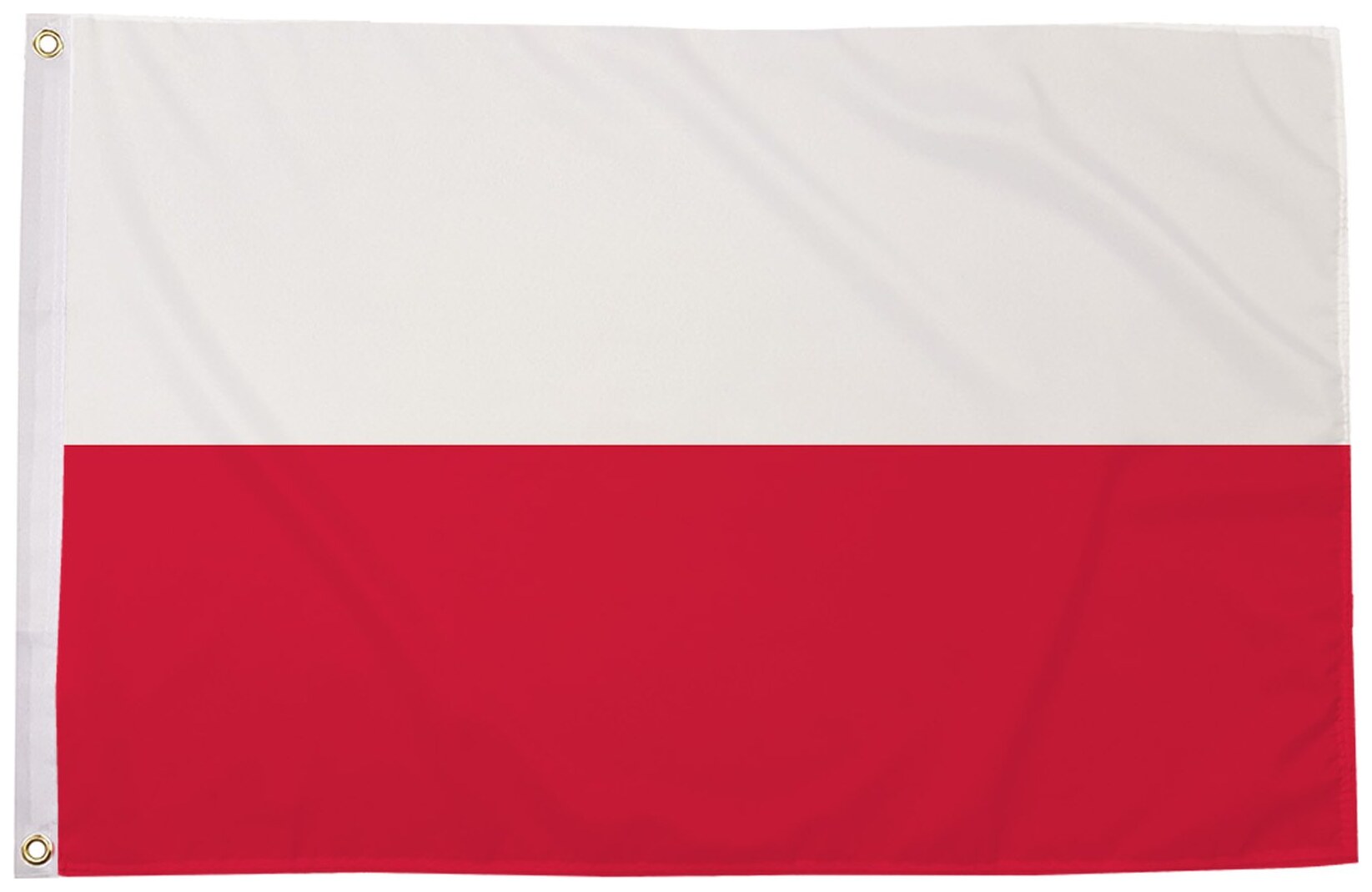
Polish Independence Day (Narodowe ?wi?to Niepodleg?o?ci) falls on 11 November and marks the day in 1918 when Poland regained its statehood after 123 years of partition. It is a public holiday in Poland, and Polish families, parishes and Saturday schools across the UK mark it too, usually with the plain white-and-red flag. Below you'll find what the day remembers, how the Polish flag should be flown, and practical ideas for decorating.
Why 11 November matters to Poland
From 1795 Poland did not exist on the map of Europe, its lands divided between Russia, Prussia and Austria. As the First World War ended in 1918 those empires collapsed, and on 11 November Józef Pi?sudski took command of Polish forces in Warsaw. That date became the symbolic birthday of the Second Polish Republic.
The holiday itself has a chequered history. It was formally established in 1937 and celebrated only twice before the Second World War. In the post-war decades the official national day was moved to 22 July, and 11 November was restored in 1989.
The date is shared with Armistice Day in the UK. Many Polish families here observe the two minutes' silence at 11am alongside everyone else, then turn to their own celebrations later in the day, a fitting overlap given that Polish airmen, soldiers and sailors served alongside British forces in the Second World War. If you're planning a display, see our guide to Remembrance flags and Armistice Day so the two sit comfortably together.
Three white-and-red days in the Polish calendar
11 November is not the only date when the Polish flag comes out. Early May is just as important:
| Date | Occasion | What it marks |
|---|---|---|
| 2 May | Polish Flag Day (Dzie? Flagi) | Official flag day since 2004; also the day for Poles living abroad |
| 3 May | Constitution Day | The Constitution of 3 May 1791 |
| 11 November | National Independence Day | Regained independence in 1918 |
Next Independence Day: Wednesday 11 November 2026.
How the day is celebrated, in Poland and in the UK
In Warsaw the state ceremony takes place at the Tomb of the Unknown Soldier, with a changing of the guard attended by national leaders. Across the country there are Masses, concerts, school assemblies and family gatherings, and flags hang from balconies and lampposts in towns and villages.
Poland's community in the UK is one of the largest it has anywhere. Polish-language parishes often hold a special Mass, Polish Saturday schools put on assemblies and sing patriotic songs, and Polish delis and restaurants decorate their windows in white and red. The Polish Embassy in London and consulates elsewhere usually hold their own events, so check their channels for details nearer the time.
The Polish flag: colours, versions and which way up
The flag is two equal horizontal stripes, white over red, in an official ratio of 5:8. The colours come from the national coat of arms, a white eagle on a red shield.
- Plain white-and-red: the national flag used by everyone. This is the right choice for homes, businesses, clubs and parties.
- With the eagle crest: in Poland this version is reserved by law for official uses such as embassies, airports and ships. In the UK you'll see it at community and sporting events, but the plain flag is the correct everyday choice.
Getting it the right way up matters: flipped, the flag reads red over white, which is the flag of Indonesia or Monaco. White always goes at the top. Hung vertically from a window or wall, the white stripe should be on the left as you look at it.
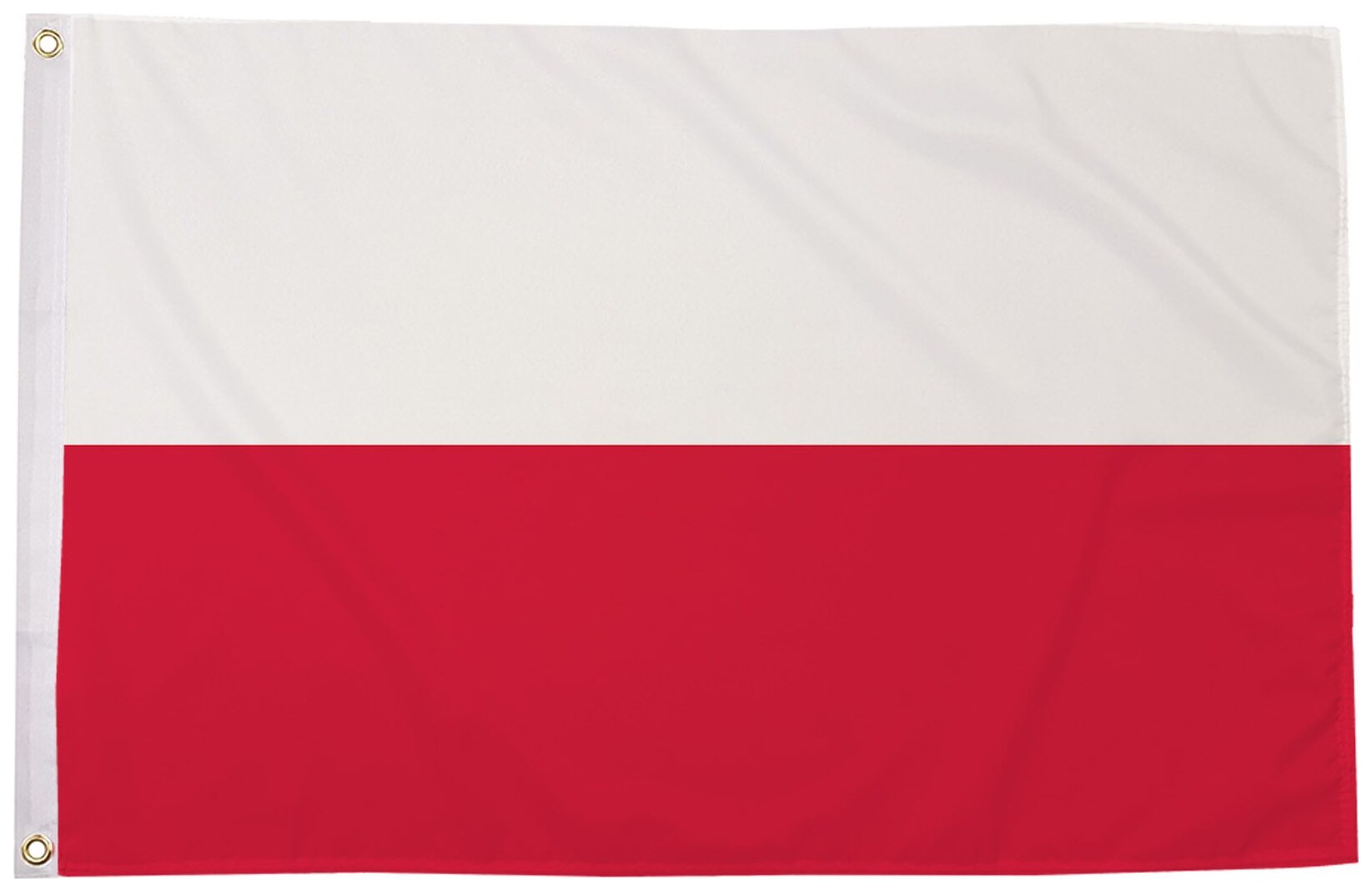
Flying the Polish flag next to the Union Flag
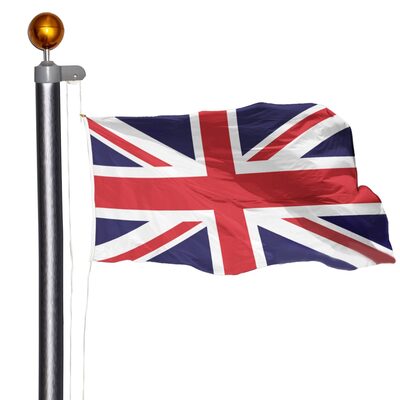
When you fly both, give each its own pole, at the same height and in the same size, and never fly two national flags on one halyard. In the UK the Union Flag normally takes the position of honour, which for two poles is on the left as viewed from the front. Our guide to flag order of precedence covers rows of three or more.
Decorating for Polish Independence Day
- Outside the house or shop: a 5ft x 3ft Poland flag suits most home flagpoles; for a flag that stays up from 2 May through to November, a heavier Poland DuraFlag will cope better with the weather.
- Halls and classrooms: Poland bunting in 9m lengths spans a parish hall or school corridor.
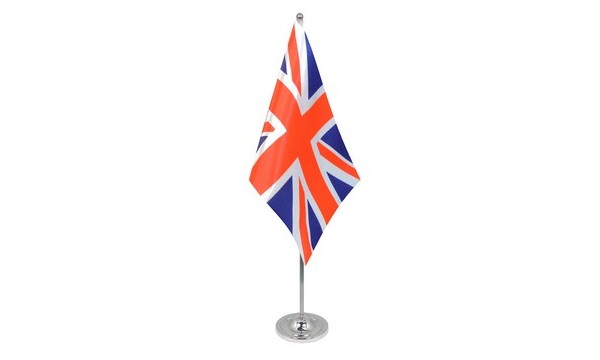
- Tables: Poland table flags work well for a community dinner or a reception, paired with a Union Flag table flag.
- Children: small wooden-pole hand flags are ideal for school assemblies and singing.
Frequently asked questions
Is Polish Independence Day a public holiday in the UK?
No. It's a public holiday in Poland only. In the UK it's marked by the Polish community through church services, school events and private gatherings.
Can I fly the Polish flag with the eagle at home?
The plain white-and-red flag is the correct civilian flag. The eagle version is reserved for official use in Poland, so most Polish families fly the plain flag.
Which way up does the Polish flag go?
White on top, red on the bottom. Upside down, it looks like the flag of Indonesia or Monaco.
Is it respectful to celebrate on Armistice Day?
Yes. Many people observe the 11am silence first and celebrate afterwards. The two commemorations share a date because both relate to the end of the First World War.
Explore the full range of Polish flags, including crest, nylon and DuraFlag versions, or browse our world flags for other national days. Our European national days calendar lists the rest of the year's celebrations.