
 European Union
 Confederate
 Rainbow
 Other Pride
 Red Ensign
 RAF Ensign
 Yorkshire
 Cornwall
 Union Jack
 England
 Scotland
 Wales
 USA
 Ireland
 France
 Germany
 Italy
 Australia
St Andrew’s Day Flags – Saltire, Lion Rampant & Bunting
Everything for 30 November: the Saltire in light blue or navy from 20x12in to 8ft x 5ft, the Lion Rampant, Saltire bunting up to 20m, hand flags by the pack and table flags for the ceilidh or the dinner. For every Scottish flag all year round, including Orkney, Shetland and the Western Isles, see the Scotland flags hub.
 St Andrew’s Saltire Flagfrom £5.99
-
Bonnie Scotland Flag
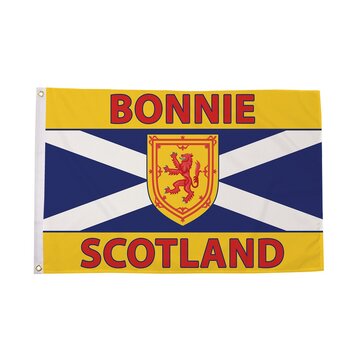 Choose size →5 sizes · 2 qualities · 2 fittingsThe price depends on the options chosen on the product pagefromAs low as £6.98
-
Scotland Lion Flag
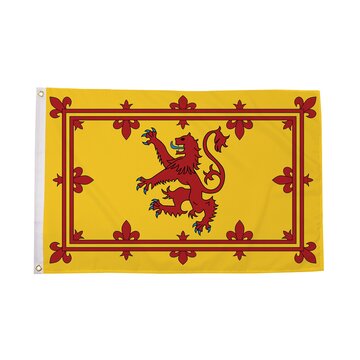 Choose size →5 sizes · 3 qualities · 2 fittingsThe price depends on the options chosen on the product pagefromAs low as £6.98
-
Scotland The Brave Flag
 Choose size →4 sizes · 2 qualities · 2 fittingsThe price depends on the options chosen on the product pagefromAs low as £6.98
-
Scottish Red Ensign Flag
 Choose size →The price depends on the options chosen on the product pagefromAs low as £7.99
-
St Andrews Grunge Flag
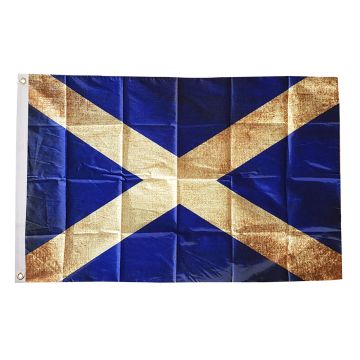 The price depends on the options chosen on the product pageChoose size →fromAs low as £7.99
-
St Andrews (Light Blue) Flag
 Choose size →6 sizes · 3 qualities · 3 fittingsThe price depends on the options chosen on the product pagefromAs low as £5.99
-
St Andrews (Navy Blue) Flag
 Choose size →6 sizes · 3 qualities · 3 fittingsThe price depends on the options chosen on the product pagefromAs low as £6.98
-
St Andrews Smiley Face Flag
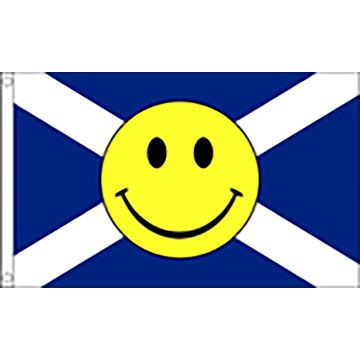 Choose size →2 sizesThe price depends on the options chosen on the product pagefromAs low as £7.99
-
Scotland Lion Bunting
 Choose length →3 lengths · 2 qualitiesThe price depends on the options chosen on the product pagefromAs low as £9.98
-
Bonnie Scotland Horizontal Bunting
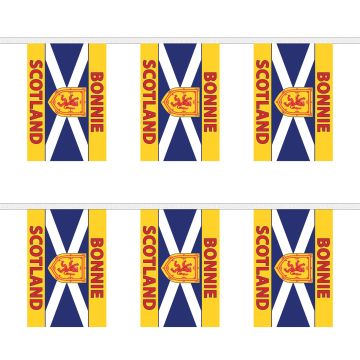 Choose length →2 lengthsThe price depends on the options chosen on the product pagefromAs low as £15.98
-
Scotland Lion Hand Flags
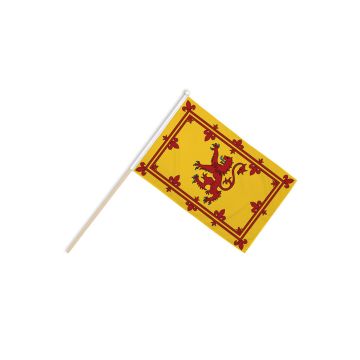 Choose size →2 sizesThe price depends on the options chosen on the product pagefromAs low as £7.99
-
Scotland Lion Wooden Table Flag
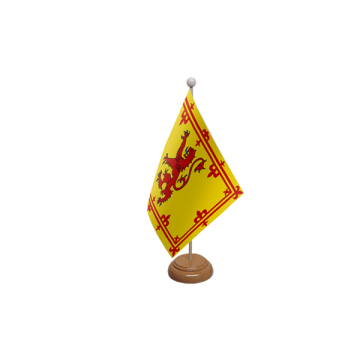 Choose options →Multiple optionsThe price depends on the options chosen on the product pagefrom
From £5.99
To £7.99
Out of stock
-
Bonnie Scotland Hand Flags
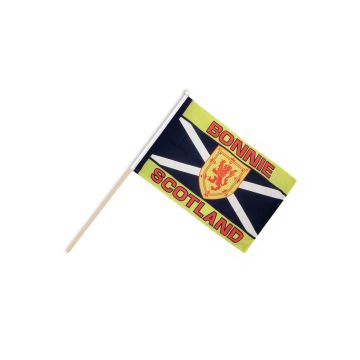 Choose size →2 sizesThe price depends on the options chosen on the product pagefromAs low as £5.99
-
Scotland Lion Table Flag
 Choose options →Multiple optionsThe price depends on the options chosen on the product pagefrom£5.99
-
Scotland The Brave Horizontal Bunting
 Choose length →2 lengthsThe price depends on the options chosen on the product pagefromAs low as £9.98
-
St Andrews (Navy Blue) Bunting
 Choose length →5 lengths · 3 qualitiesThe price depends on the options chosen on the product pagefromAs low as £9.98
-
St Andrews (Light Blue) Bunting
 Choose length →5 lengths · 3 qualitiesThe price depends on the options chosen on the product pagefromAs low as £9.98
-
Scotland The Brave Hand Flags
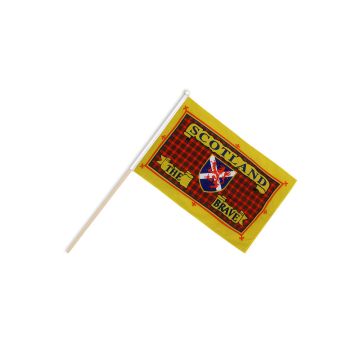 Choose size →2 sizesThe price depends on the options chosen on the product pagefromAs low as £5.99
-
St Andrews (Light Blue) Wooden Table Flag
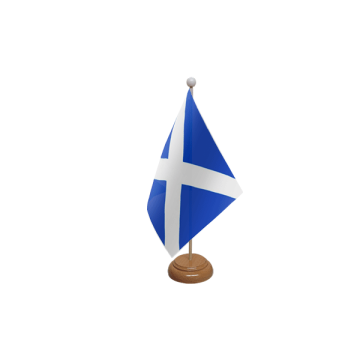 Choose options →Multiple optionsThe price depends on the options chosen on the product pagefrom
From £5.99
To £7.99
-
St Andrews (Light Blue) Satin Table Flag
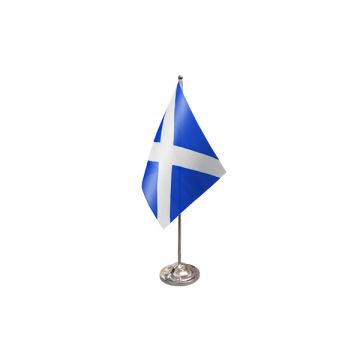 Choose options →Multiple optionsThe price depends on the options chosen on the product pagefrom
From £5.99
To £15.99
-
St Andrews (Light Blue) Hand Flags
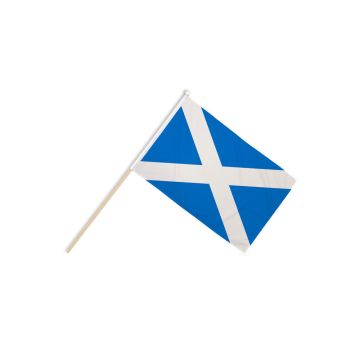 Choose size →2 sizesThe price depends on the options chosen on the product pagefromAs low as £5.99
-
St Andrews (Navy Blue) Satin Table Flag
 Choose options →Multiple optionsThe price depends on the options chosen on the product pagefrom
From £5.99
To £15.99
-
St Andrews (Light Blue) Table Flag
 Choose options →Multiple optionsThe price depends on the options chosen on the product pagefrom£5.99
-
St Andrews (Navy Blue) Hand Flags
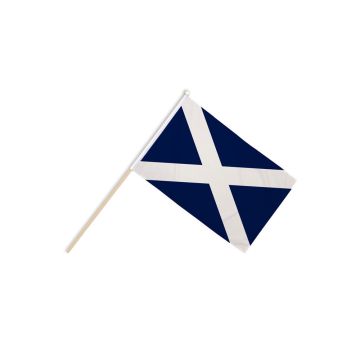 Choose size →2 sizesThe price depends on the options chosen on the product pagefromAs low as £5.99
-
St Andrews (Navy Blue) Table Flag
 Choose options →Multiple optionsThe price depends on the options chosen on the product pagefrom£5.99
-
St Andrews (Navy Blue) Wooden Table Flag
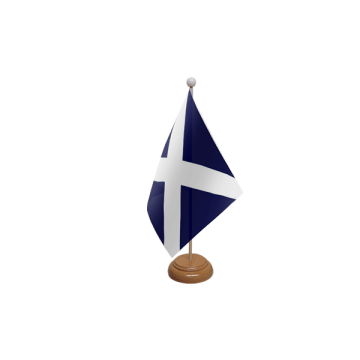 Choose options →Multiple optionsThe price depends on the options chosen on the product pagefrom
From £5.99
To £7.99
-
Tartan Army Flag
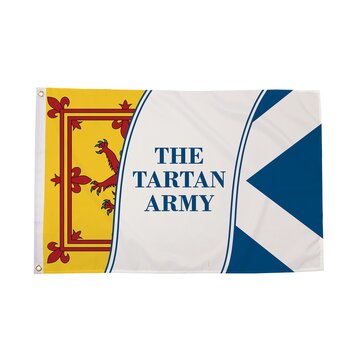 Choose size →2 sizesThe price depends on the options chosen on the product pagefromAs low as £6.98
-
St Andrews (Light Blue) Large Wooden Table Flag
Choose options →Multiple optionsThe price depends on the options chosen on the product pagefrom
From £7.99
To £10.99
-
Scotland Lion Car Flag
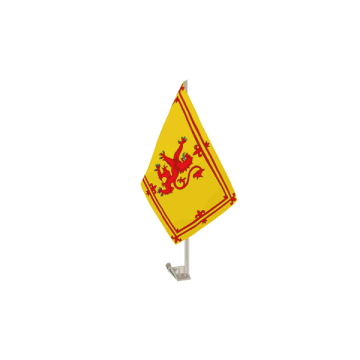 The price depends on the options chosen on the product pageChoose size →from
Out of stock
-
Scotland Lion Windsock
 Choose size →The price depends on the options chosen on the product pagefromAs low as £9.98
-
St Andrews Car Flag
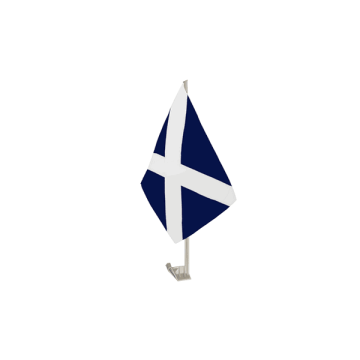 Choose size →The price depends on the options chosen on the product pagefromAs low as £7.99


St Andrew’s Day, 30 November
St Andrew’s Day is the feast of Scotland’s patron saint, kept on 30 November, and since 2007 it has been an official bank holiday in Scotland, moved to the following Monday when the 30th falls at a weekend. Andrew was one of the twelve apostles, a fisherman from Galilee who, by tradition, was crucified at Patras in Greece on an X-shaped cross because he did not think himself worthy to die on the same shape of cross as Christ. That diagonal cross, the saltire, became the flag of Scotland. The day itself is kept with ceilidhs, Scottish suppers, school assemblies, church services and a Saltire over the door, and it opens Scotland’s winter festival season that runs through Hogmanay to Burns Night on 25 January.
The Saltire: the oldest flag in use in Europe
The legend says that in 832 AD King Óengus II of the Picts, outnumbered before a battle with the Angles near Athelstaneford in East Lothian, saw a white saltire formed by clouds against a blue sky, took it as a sign from St Andrew, won the battle and made Andrew the patron saint. Whatever the truth of it, the white diagonal cross on blue has been the flag of Scotland since at least the 1500s, which makes it one of the oldest national flags still flown. The light blue Saltire is closest to the sky blue the Scottish Parliament recommended in 2003; the navy blue Saltire is the darker shade that was common before that and is still the one many people grew up with. Both are stocked in 20x12in, 3ft x 2ft, 5ft x 3ft and 8ft x 5ft, in printed, nylon and DuraFlag grades.
The Lion Rampant and the other Scottish flags
The Lion Rampant, a red lion on gold, is the Royal Banner of Scotland. Strictly it belongs to the monarch, but since 1934 waving it as a mark of support has been accepted, which is why it fills the stands at Murrayfield and Hampden. The Scotland the Brave, Bonnie Scotland and Tartan Army flags are for the party and the match, the Scottish Red Ensign is the historic merchant flag, and the Highland Cow flag is for anyone who wants the day without a cross on it. For the island and regional flags, Orkney, Shetland and the Western Isles, go to the Scotland flags hub.
St Andrew’s Day bunting
Saltire bunting in light blue and navy comes in rectangle lengths from 3m to 20m, a triangle cut for a hall or a classroom, and a giant length with oversized pennants for a street or a shopfront. Lion Rampant bunting, Scotland the Brave bunting and Bonnie Scotland bunting mix in well: alternate Saltire and Lion Rampant lengths across a function room and it reads as Scottish from one end to the other.
Hand flags, table flags and car flags
Saltire hand flags on wooden sticks, in navy too, and Lion Rampant hand flags are sold in packs for schools, Scouts and church parades. The Saltire table flag with a base is the one for the dinner table, the ceilidh or the reception desk, with satin and wooden versions and a Lion Rampant table flag to match. The St Andrew’s car flag and Lion Rampant car flag clip to a window, and the Saltire windsock suits a garden, a boat or a campsite.
St Andrew’s Day flag FAQs
When is St Andrew’s Day?
30 November every year. In Scotland it is a bank holiday, and when the 30th falls on a Saturday or Sunday the holiday moves to the following Monday. In 2026 it falls on a Monday.
Which flag do I fly on St Andrew’s Day?
The Saltire, the white diagonal cross of St Andrew on blue. It is the national flag of Scotland and the one for homes, schools, churches and businesses on the day; the Lion Rampant is often flown alongside it.
Light blue or navy Saltire: which is correct?
Both are flown. In 2003 a Scottish Parliament committee recommended a lighter sky blue (Pantone 300), which is why newer flags tend to be light blue; the darker navy was common for decades before that. Pick whichever matches the flags you already have.
Can I fly the Lion Rampant?
Strictly the Lion Rampant is the Royal Banner of Scotland and belongs to the monarch, but waving it as a sign of support has been tolerated since 1934, and you will see it at every Scotland match. For a flagpole on a public building the Saltire is the proper choice.
What size flag should I buy for a house flagpole?
A 5ft x 3ft flag suits most house and garden poles of 15 to 20ft. Go to 8ft x 5ft for a 25ft pole or a commercial building, and use a 3ft x 2ft for a wall-mounted bracket.
How much bunting do I need for a ceilidh or function room?
A 9m length runs along one wall of a typical hall or across a bar front; allow two or three 9m lengths, or a 20m length, to go round a function room.
How late can I order for St Andrew’s Day?
Everything on this page is in stock and dispatched from our Stoke-on-Trent warehouse. Order before 2pm and it leaves the same day for free 1–2 day UK delivery, so an order on Wednesday 25 November is in good time for 30 November.