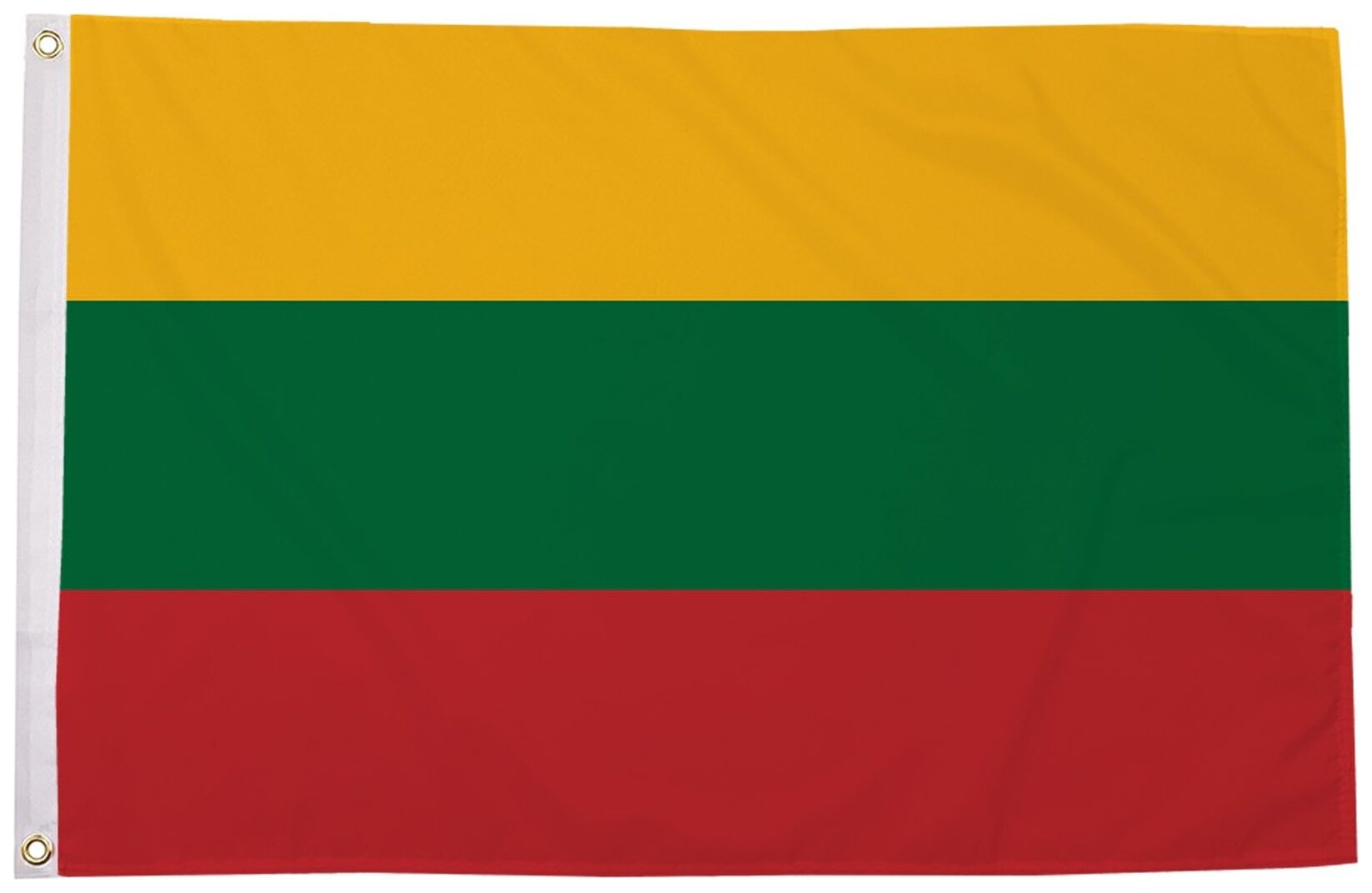
European Union
 Confederate
 Rainbow
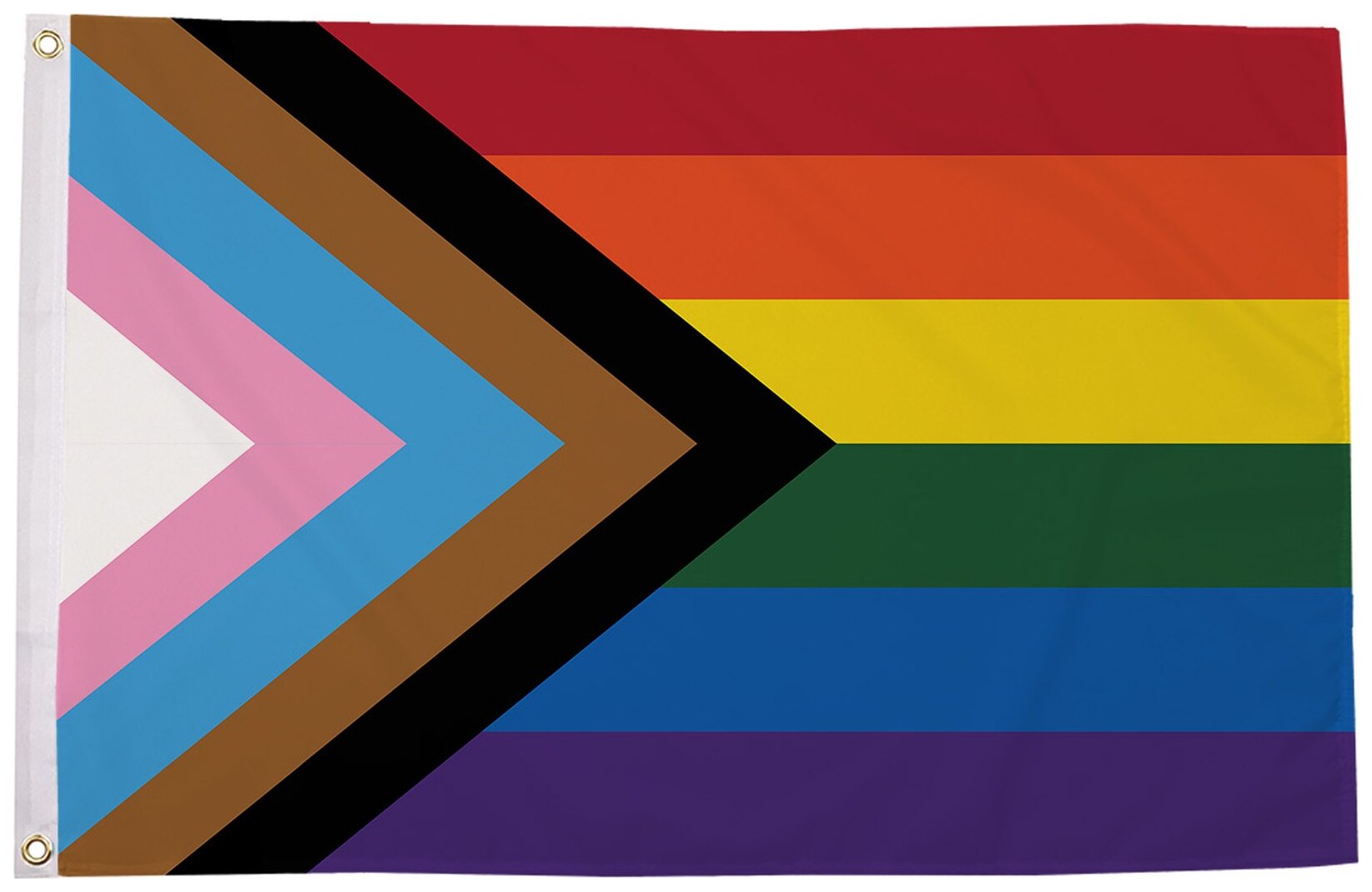
 Other Pride
 Red Ensign
 RAF Ensign
 Yorkshire
 Cornwall
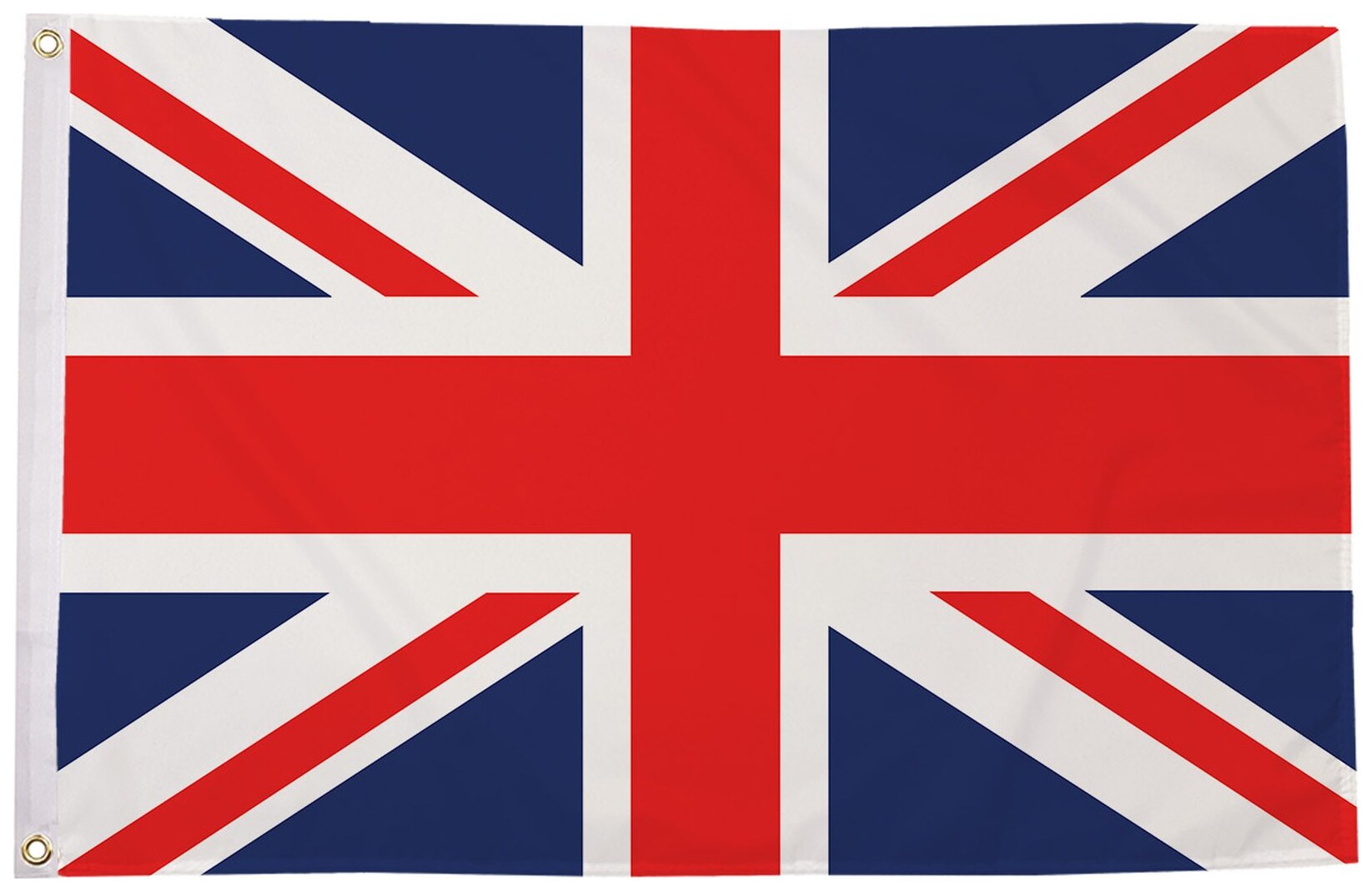
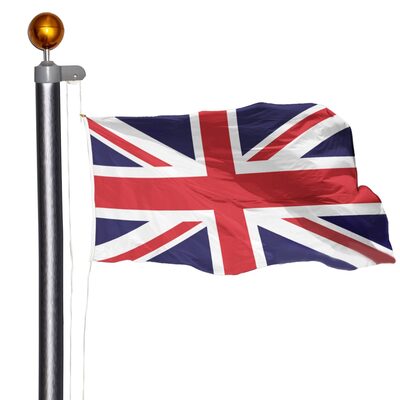
 Union Jack
 England
 Scotland
 Wales
 USA
 Ireland
 France
 Germany
 Italy
 Australia
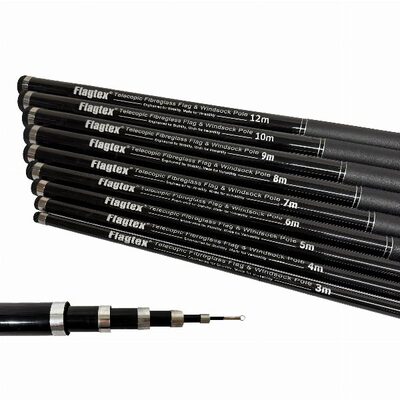

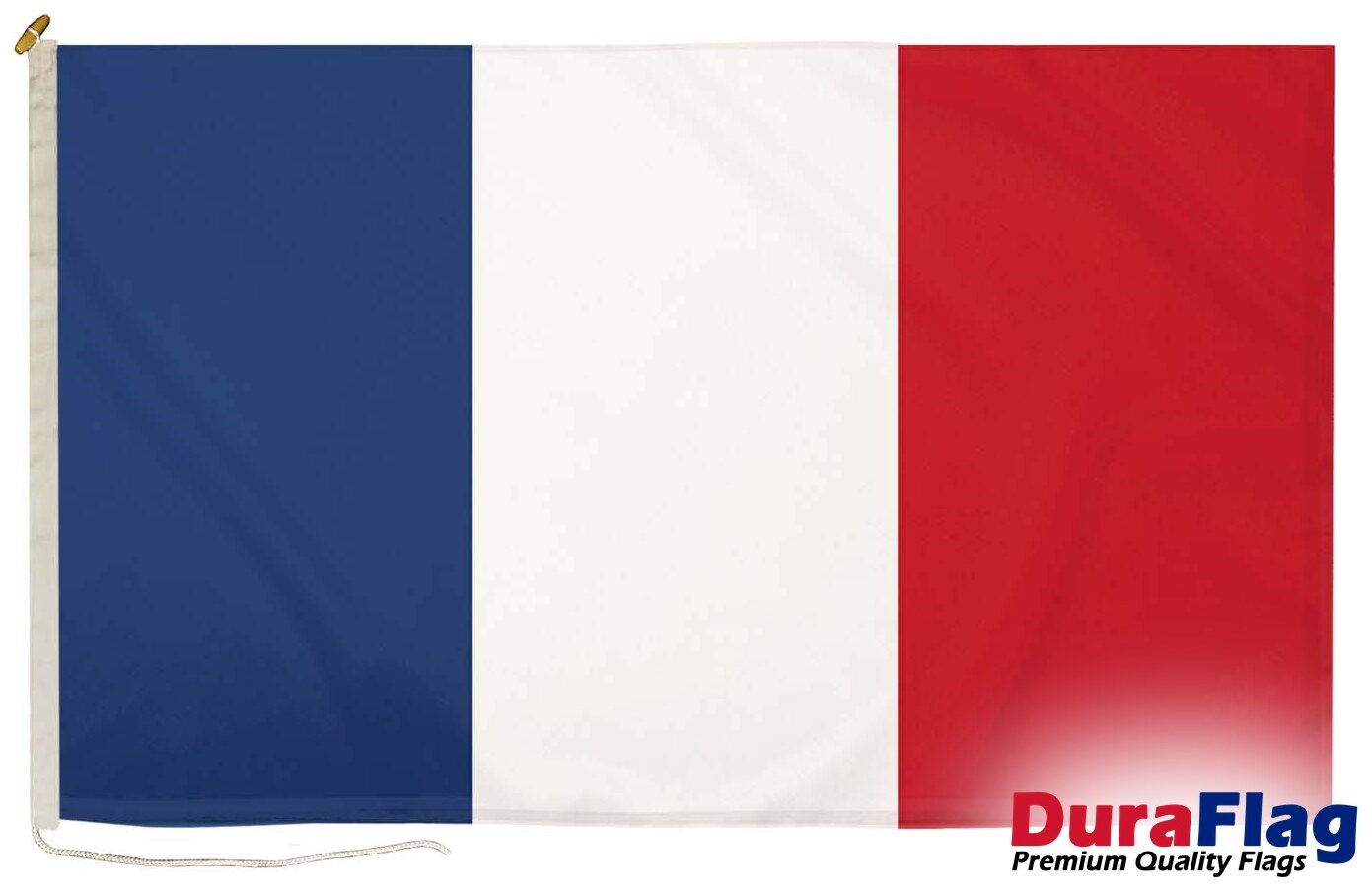
A courtesy flag is a small version of the host country's maritime flag, flown by a visiting boat while it is in that country's waters. It goes on the starboard spreader, with nothing flown above it on the same halyard, and your own ensign (for most British yachts, the Red Ensign) stays at the stern. It isn't a legal requirement everywhere, but it is expected, and flying the right one in good condition shows respect for the country you are visiting.
What is a courtesy flag for?
Flying a courtesy flag acknowledges that your vessel is a guest and will respect the host country's laws and authority. It is a long-standing maritime custom rather than an international law. The RYA notes it is not a legal requirement, but some harbour officials and marinas notice when one is missing and a few countries take it seriously. It costs little to get right.
Where to fly a courtesy flag
- Sailing yachts: on a halyard under the starboard spreader. That is the senior position after the masthead.
- More than one mast: under the starboard spreader of the foremast.
- Motor boats: from a starboard yardarm or signal mast if fitted, otherwise a staff at the bow.
- Nothing above it. Never fly a house flag, club burgee or other flag above the courtesy flag on the same halyard.
- Q flag below it. If you are flying the yellow Q flag on arrival, it shares the starboard halyard and is usually flown beneath the courtesy flag.
If you normally fly your club burgee from the starboard spreader, move it to the port spreader while you are abroad. Our yacht burgees guide explains why.
Which courtesy flag for each country?
The correct courtesy flag is the host country's civil ensign, the flag its own private and merchant vessels fly. For many countries this is the same as the national flag, but not all. Popular destinations for UK cruising yachts are shown below. Practice can vary, so if in doubt, ask the marina or harbour office.
| Destination | Courtesy flag | Notes |
|---|---|---|
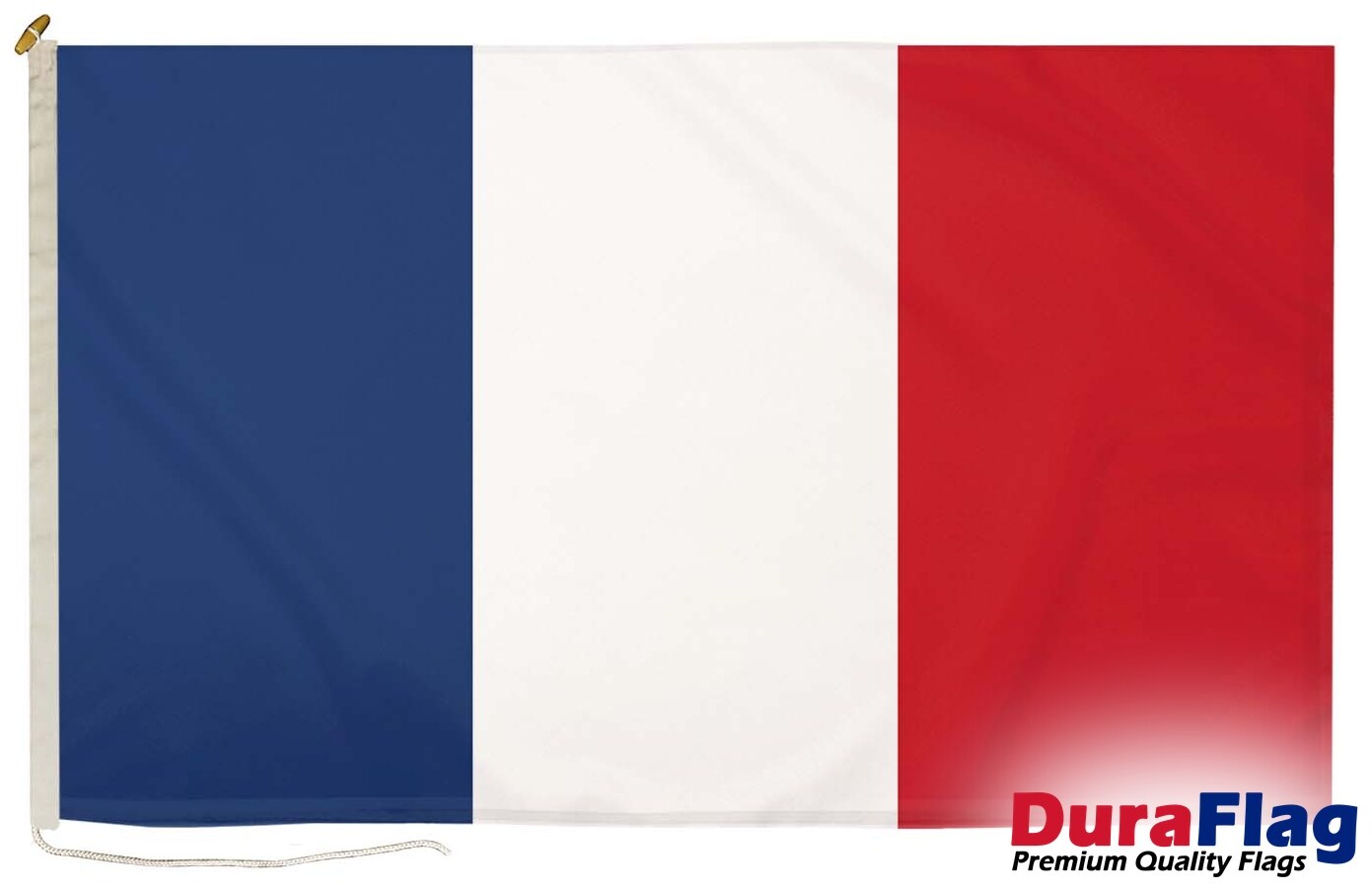
| France | French tricolour | Same as the national flag. Regional flags (e.g. Brittany) are sometimes flown beneath as an extra courtesy. |
| Jersey | Jersey Red Ensign | Red Ensign with the island's crowned arms. Courtesy flags are not strictly needed within the British Isles, but are widely flown. |
| Guernsey (and Alderney, Sark) | Civil Ensign of Guernsey | Some sailors fly the Guernsey or Alderney island flag instead. Local preferences vary. |
| Republic of Ireland | Irish tricolour | Same as the national flag. |
| Netherlands | Dutch red, white and blue | Same as the national flag. |
| Belgium | Belgian tricolour | The civil ensign is the black, yellow and red tricolour. |
| Spain | Red-yellow-red without the coat of arms | The plain version is the civil ensign. The crested version is the state and naval flag. |
| Portugal | Portuguese national flag | Same as the national flag. |
| Italy | Italian civil ensign | The tricolour with the shield of the four maritime republics. Do not use the naval ensign, which has a crown. |
| Croatia | Croatian national flag | Same as the national flag. |
| Greece | Greek blue-and-white striped flag | Same as the national flag. |
Many of these come as European DuraFlags. Island and Crown Dependency flags, including the Jersey Red Ensign DuraFlag and the Civil Ensign of Guernsey DuraFlag, are in Channel Islands and Crown Dependencies. For Spain, choose the Spain (no crest) DuraFlag.
What size courtesy flag?
A courtesy flag should be in proportion to the boat. An undersized, faded scrap looks worse than none. The RYA gives approximate fly lengths:
| Boat length (LOA) | Approximate courtesy flag fly |
|---|---|
| 21–26ft | 12in (30cm) |
| 27–34ft | 15in (38cm) |
| 35–42ft | 18in (45cm) |
| 43–50ft | 22in (56cm) |
| 51–60ft | 30in (76cm) |
Our DuraFlag courtesy size is 20in x 12in (about 50cm x 30cm), which suits most yachts in the 35–50ft range. Smaller boats often fly it too, since a slightly larger courtesy flag is better than one that's too small. Not every design comes in every size, so check the size options on each product.
Your own ensign and the Q flag
Your ensign goes at the stern and stays there while you are abroad. For most British boats, that means the Red Ensign. Under the Merchant Shipping Act, a UK vessel must fly it when entering or leaving a foreign port. Visiting yachts sometimes fly the host nation's land flag at the stern instead of their own ensign, but that is a mistake. See our guide to red, white and blue ensigns.
The Q flag (plain yellow, from the International Code of Signals) signals that you have arrived from abroad and have not yet cleared customs. Since Brexit, the UK is outside the EU customs area, and that affects both directions:
- Arriving in Great Britain: government guidance says a pleasure craft arriving from outside the UK, including from the Channel Islands, must fly the Q flag on entering UK waters (the 12-mile limit) and keep it up until customs reporting is complete. You must also notify Border Force before you travel, normally through the online Pleasure Craft Report. Boats arriving in Northern Ireland from an EU member state do not need to fly it.
- Arriving in the EU from the UK: the RYA advises flying the Q flag on entering the host country's territorial waters unless you are sure no declaration is needed, and clearing customs and immigration (including Schengen passport checks) at a designated port of entry.
Rules and reporting systems change, so check the RYA's "Boating into Europe" pages and the current gov.uk guidance on sailing a pleasure craft to and from the UK before every cruise. You can find the Q flag in our nautical and signal code flags.
Common courtesy flag mistakes
- Flying a ragged or faded courtesy flag. Replace it before it gets that far.
- Flying it upside down. This is easily done with the Netherlands, Croatia or the Channel Island ensigns.
- Flying a burgee or house flag above it on the same halyard.
- Using the national land flag where the country has a different civil ensign (Spain and Italy are the usual traps).
- Foreign visitors to the UK flying the Union Flag as a courtesy flag. The correct UK courtesy flag is the Red Ensign.
- Forgetting to change it when you cross a border, or leaving it up at home.
Frequently asked questions
Is a courtesy flag a legal requirement?
Generally no. It is a custom, and the RYA describes it as not legally required. However, some officials expect one, and it is always good manners to fly it.
Which side does the courtesy flag go on?
Starboard: under the starboard spreader on a sailing yacht, with no other flag above it on that halyard.
Do I need a courtesy flag in the Channel Islands?
Strictly, the Channel Islands are within the British Isles, so a courtesy flag is not required. Most visiting yachts still fly the Jersey or Guernsey ensign as a friendly gesture.
What courtesy flag should a foreign yacht fly in the UK?
The Red Ensign, the UK civil ensign. The Union Flag is not correct as a courtesy flag.
Can I keep the courtesy flag up at night?
Many cruisers leave it up while in the country's waters. Traditionally it follows ensign hours, being hoisted in the morning and lowered at sunset. Either is commonly accepted for small craft.
Planning a cruise? Pick up your courtesy flags from our world country DuraFlags, check the Q flag in the signal code range, and see our flag sizes guide if you are unsure what fits your halyard.