European Union
 Confederate
 Rainbow
 Other Pride
 Red Ensign
 RAF Ensign
 Yorkshire
 Cornwall
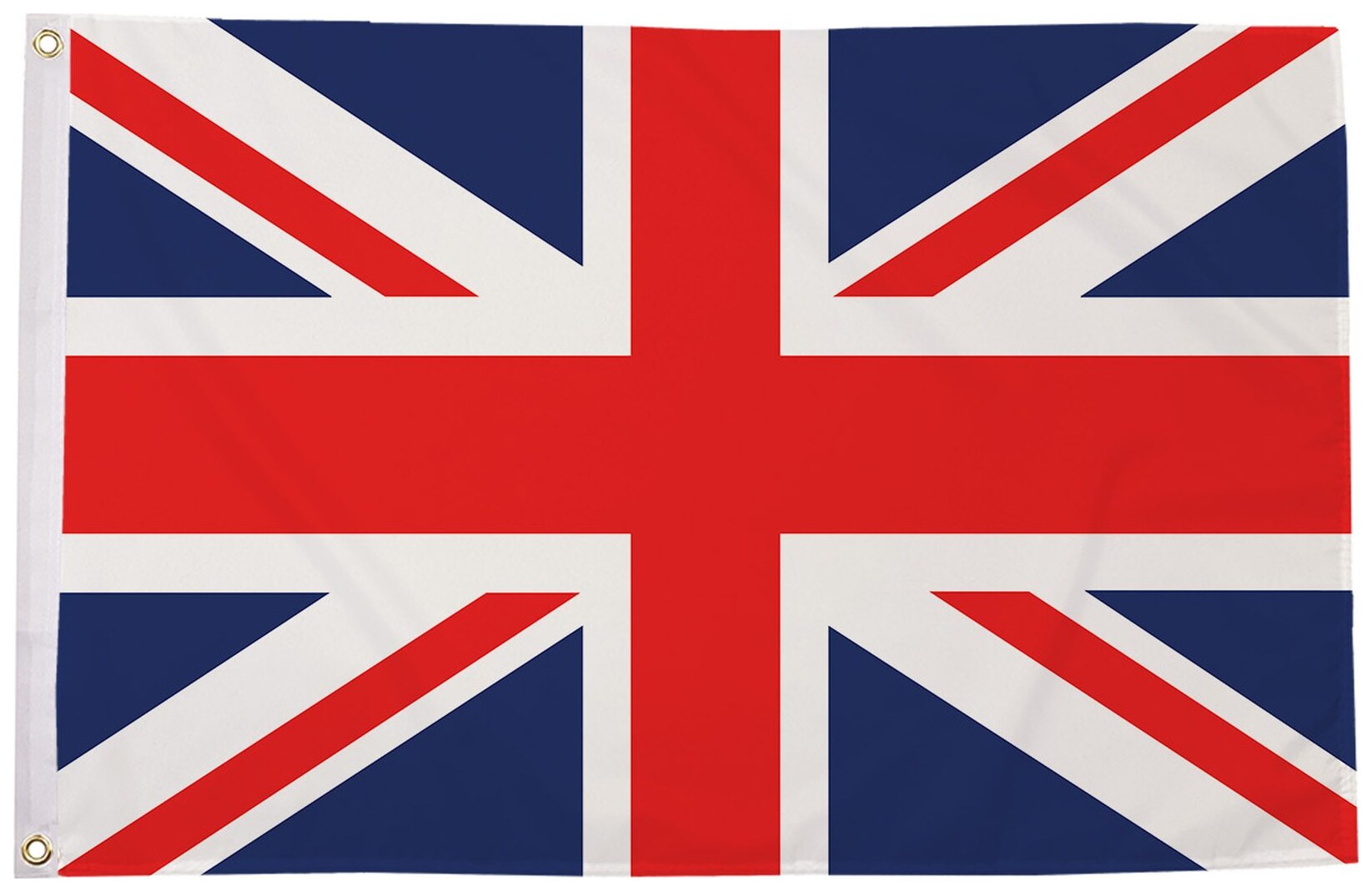
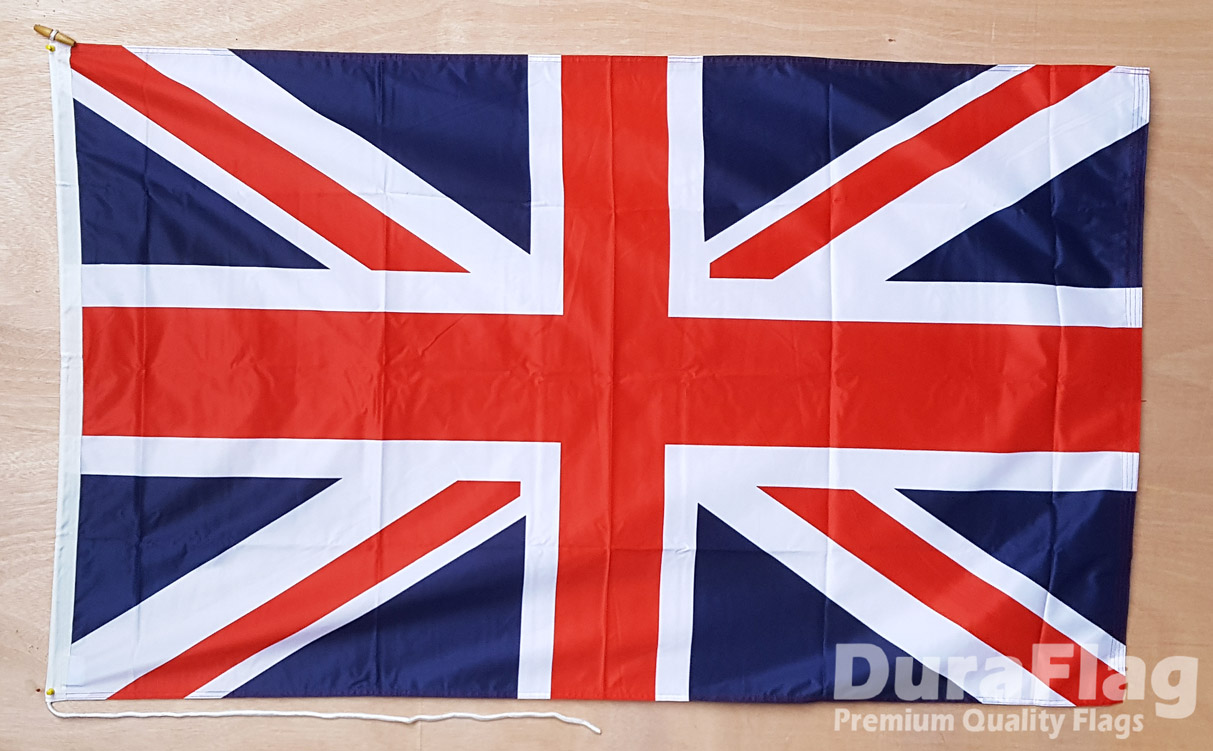
 Union Jack
 England
 Scotland
 Wales
 USA
 Ireland
 France
 Germany
 Italy
 Australia




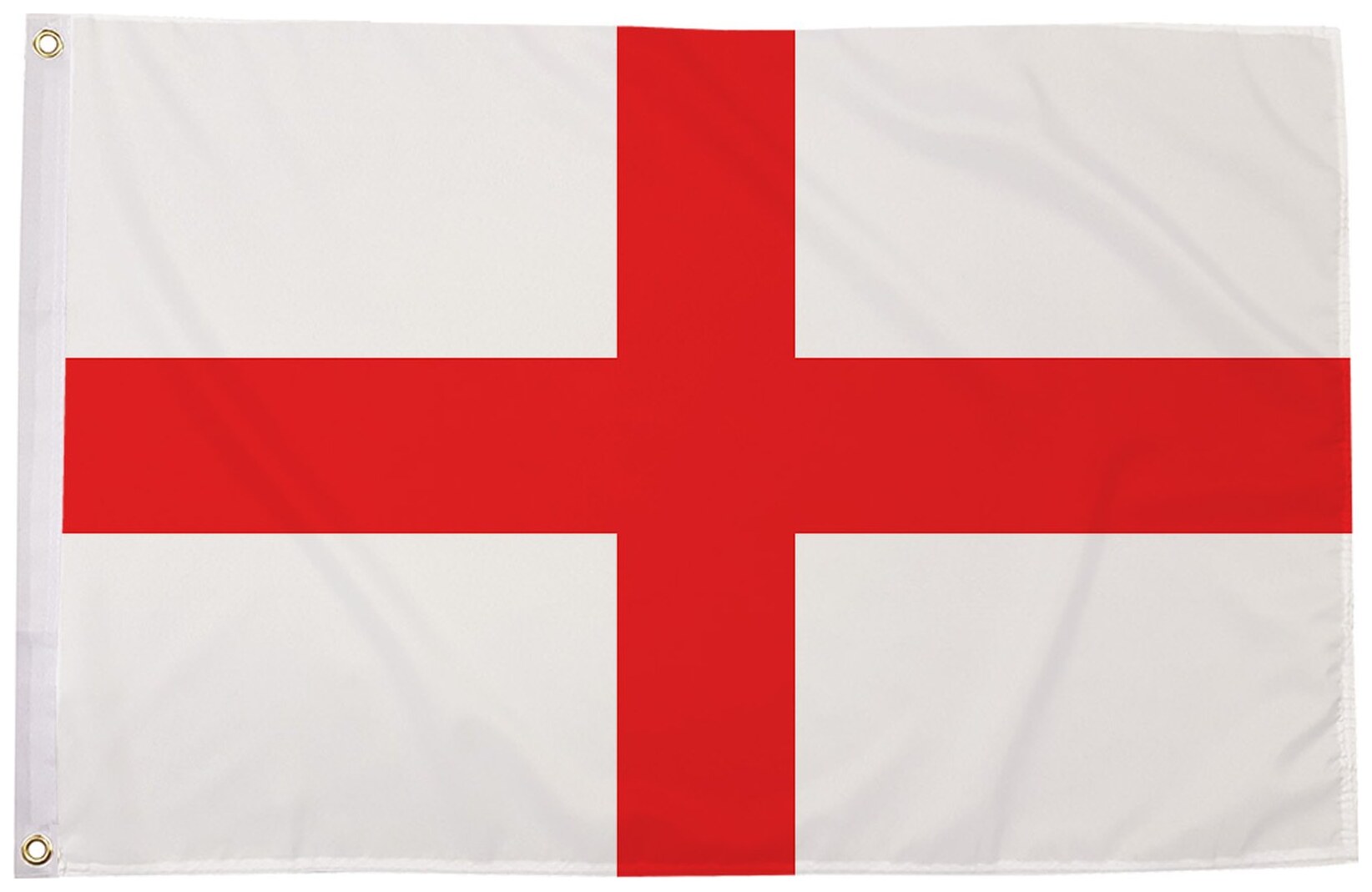
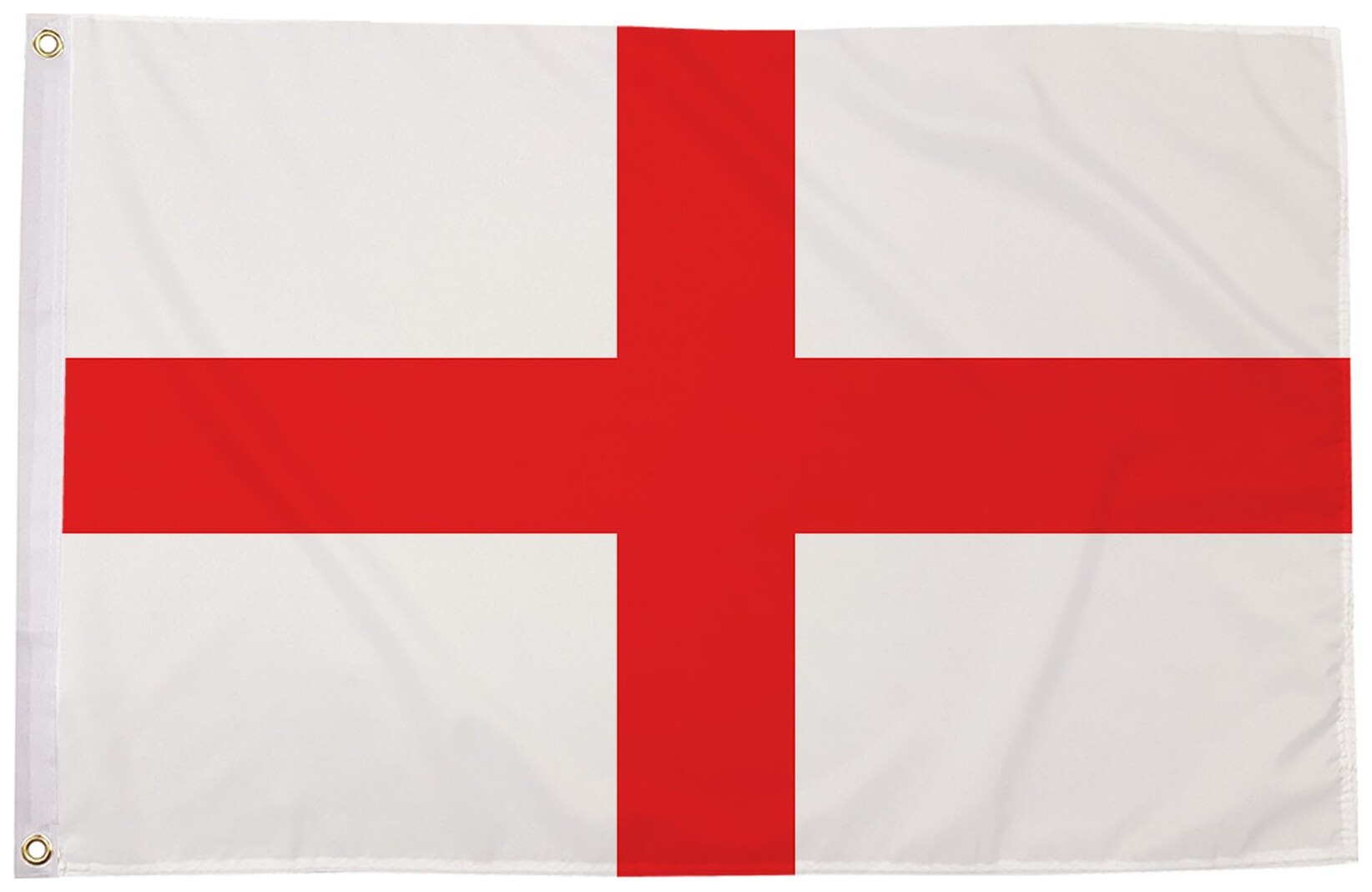
The England flag, a red cross on a white field, is the cross of St George. It began as a religious and military badge associated with the Crusades and the warrior saint, was used by English armies from the reign of Edward I in the late 13th century, and gradually became England's national flag as St George grew into the country's patron saint.
Its history is longer and more tangled than most people expect, and several popular stories about it do not hold up well. This guide sets out what is documented, what is legend, and how the flag ended up in the Union Jack and on every football terrace in the country.
England flag history at a glance
| Period | What happened |
|---|---|
| 11th to 12th centuries | Red crosses widely used by crusaders and associated with St George, a soldier saint |
| 1270s to 1290s | Edward I's armies use the red cross of St George as a distinguishing mark |
| 1340s | Edward III promotes St George; the Order of the Garter is founded under his patronage |
| 15th to 16th centuries | St George becomes the clear patron saint of England; his cross flies on English ships |
| 1606 | St George's Cross combined with St Andrew's Cross in the first Union Flag |
| 1801 | St Patrick's saltire added; St George's Cross remains the central cross of the Union Flag |
| 1996 onwards | Widely adopted by sports fans, especially from the Euro 96 football tournament |
Who was St George?
St George was a Christian soldier, traditionally said to have been martyred in the early 4th century in the eastern Roman Empire. He never visited England. His cult spread across Europe and the Middle East, and he became a favourite of soldiers. The dragon-slaying story was attached to him later and became popular through medieval collections of saints' lives such as the Golden Legend.
His feast day is 23 April, which is now celebrated as St George's Day in England. See our St George's Day guide for ideas on marking it.
The Crusades and the red cross
Crosses of various colours were worn by crusaders from the late 11th century onwards, and at different times different nations used different colours. The red cross on white became linked with St George, and St George himself became associated with crusading armies through stories of his appearance in battle. It is fair to say the design has crusader-era roots, but there is no single moment when "England adopted the flag" during the Crusades.
Edward I and the first documented English use
The earliest clear English records come from the reign of Edward I. Accounts relating to the Welsh war of 1277 include references to the arms of St George, and during the 1290s English soldiers were issued with armbands bearing the red cross so that they could be identified in battle. At this stage the cross was a badge showing allegiance to the king and his cause rather than a "national flag" in the modern sense.
Edward III, the Garter and a national saint
St George's status in England rose sharply under Edward III. The king promoted the saint's cult, and the Order of the Garter, England's senior order of chivalry, was founded under his patronage in the 1340s (usually dated to 1348) with St George as its patron. Records from the 1340s describe hundreds of small pennons bearing St George's arms being made for the king's forces. Over the following century and a half, St George overtook earlier English patron saints such as Edward the Confessor and Edmund the Martyr in popular and royal devotion.
By the 16th century, after the Reformation swept away most saints' banners, the cross of St George was the one religious emblem that remained in regular use, and it was flown on English ships as the flag of England.
The Genoa story: legend or history?
You will often read that England "borrowed" the red cross from the Republic of Genoa, and even paid the Doge an annual fee so that English ships could sail under Genoese protection in the Mediterranean. Genoa does fly a very similar red cross on white, and the city also honours St George. However, historians have found little firm evidence for the tribute story, and flag researchers have pointed out problems with how it is usually told. It is best treated as an appealing claim rather than established fact.
St George's Cross in the Union Flag
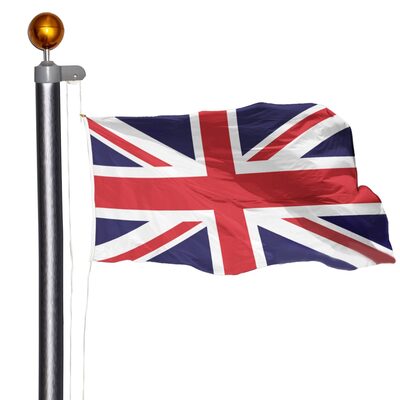
When James VI of Scotland became James I of England in 1603, the two kingdoms shared a monarch but kept separate flags. A royal proclamation in 1606 created the first Union Flag for ships by combining St George's Cross with the white saltire of St Andrew. Because Wales was already legally part of the Kingdom of England by then, the cross of St George was taken to cover Wales too, which is why there is no Welsh symbol on the flag (we explain this in why Wales isn't on the Union Jack).
The cross of St Patrick was added on 1 January 1801, producing today's design. St George's red cross, edged in white, still sits at the centre. For the full story of the combined flag, see Union Jack vs Union Flag.
The modern revival: from Euro 96 to today
For much of the 20th century the Union Flag was the flag most English people flew, and St George's Cross was mainly seen on churches, which traditionally fly it, and at some sporting events. That changed in the 1990s. During the Euro 96 tournament, hosted in England, the red cross appeared in large numbers in stadiums and on houses, cars and pubs, and it has been the default flag for England's football, rugby and cricket fans since. Separate home-nation teams naturally needed separate flags, and the cross filled that role.
Today it is flown on St George's Day, during major tournaments and, increasingly, all year round. Churches of the Church of England often fly St George's Cross with the diocesan arms in the canton, a reminder of the flag's religious roots.
Flying the England flag well
- Orientation: the cross is symmetrical, so it cannot be flown upside down, but make sure the hoist (pole side) is attached properly so the flag does not twist.
- Size: 5ft x 3ft suits most house poles and wall brackets; 8ft x 5ft is better on poles of around 6m and over. Our guide to what size flag for your flagpole has a full table.
- Fabric: printed polyester is ideal for tournaments and parties; sewn nylon or DuraFlag lasts longer on a permanent pole.
Frequently asked questions
When did the St George's Cross become England's flag?
There is no single date. It was used as an English military badge from the 1270s, became strongly linked to the Crown under Edward III in the 1340s, and was established as England's flag at sea by the 16th century.
Did England pay Genoa to use the flag?
This is a popular story, but there is little reliable evidence for it. Treat it as legend unless a primary source turns up.
Why is St George England's patron saint if he never came to England?
He was a widely venerated soldier saint whose popularity grew in England through the Crusades and royal patronage, particularly under Edward III. Many patron saints have no direct link to the country they protect.
Is it correct to fly the England flag instead of the Union Jack?
Yes. Private flyers can fly either. The St George's Cross is the national flag of England, while the Union Flag represents the United Kingdom.
Browse our full range of England flags, from the printed St George's Cross flag to the heavier St George DuraFlag for permanent poles, and add England bunting for parties and match days. Planning ahead for 23 April? Our St George's Day collection brings everything together.