European Union
 Confederate
 Rainbow
 Other Pride
 Red Ensign
 RAF Ensign
 Yorkshire
 Cornwall
 Union Jack
 England
 Scotland
 Wales
 USA
 Ireland
 France
 Germany
 Italy
 Australia


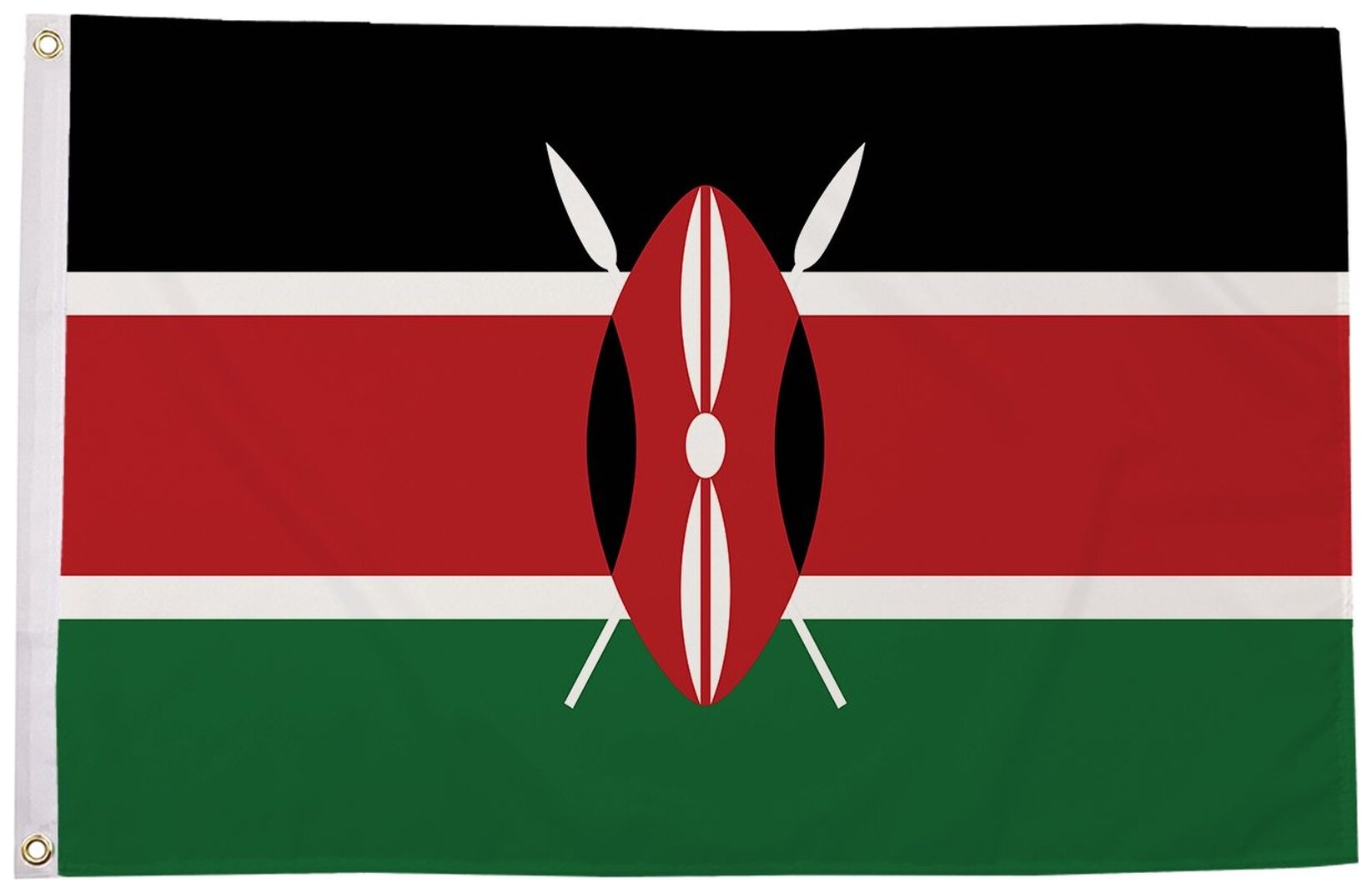
Kenya's Jamhuri Day falls on 12 December and celebrates two milestones at once: independence from Britain in 1963 and the founding of the republic exactly a year later, in 1964. "Jamhuri" is the Swahili word for republic, and on the day the black, red and green flag with its Maasai shield is flown at homes, schools and offices across Kenya and in Kenyan households in the UK.
Why 12 December matters to Kenyans
Kenya's path to independence ran through several dates, and each is still marked. On 1 June 1963 the country gained internal self-government, remembered today as Madaraka Day. Full independence followed at midnight on 12 December 1963, when the Union Flag was lowered and the new Kenyan flag raised in Nairobi. On 12 December 1964 Kenya became a republic within the Commonwealth, with Jomo Kenyatta as its first President, which is why the holiday carries the name Jamhuri rather than Uhuru (freedom).
A third national holiday, Mashujaa Day (Heroes' Day) on 20 October, honours those who fought for independence. Between them, the three days give Kenyans plenty of occasions to bring the flag out.
| National day | Date | What it marks |
|---|---|---|
| Madaraka Day | 1 June | Internal self-government, 1963 |
| Mashujaa Day | 20 October | National heroes |
| Jamhuri Day | 12 December | Independence (1963) and republic (1964) |
How Kenya Jamhuri Day is celebrated
In Kenya the day usually centres on a national ceremony in Nairobi, with a military parade, a flypast and a speech from the President, followed by music and dance from across the country's many communities. Away from the official events it is a public holiday for family gatherings, church services and a good meal; nyama choma (roast meat) with friends is a popular way to spend the afternoon.
In the UK, Kenyan community associations, churches and student societies often hold dinners, dances or family days on the nearest weekend, and the Kenya High Commission in London has traditionally marked the occasion. Arrangements vary from year to year, so check with your local association or the High Commission for current plans rather than relying on last year's listing. Because 12 December sits so close to Christmas, many UK gatherings combine the two, which is a good reason to plan decorations early.
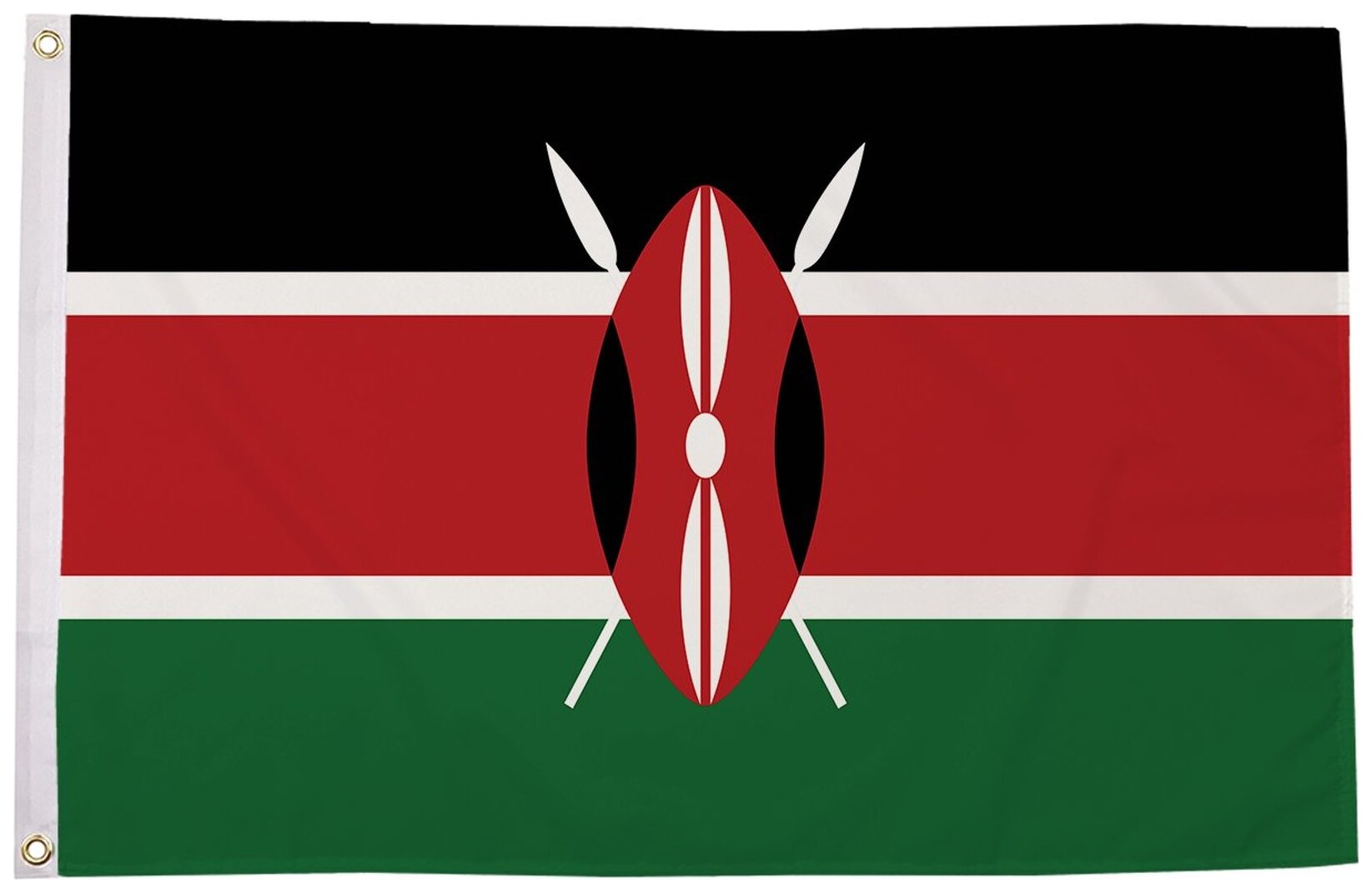
Reading the Kenya flag
The flag was first raised on independence day in 1963 and is based on the colours of the Kenya African National Union. Its widely accepted meanings are:
- Black for the people of Kenya.
- Red for the blood shed in the struggle for independence.
- Green for the land and its natural wealth.
- White (the two thin stripes) for peace and unity.
- The Maasai shield and two white spears for the defence of the country's freedom.
The official proportions are 2:3. Most printed flags, including ours, are made at 3:5 (5ft x 3ft), which looks almost identical on a pole. Black always goes at the top; with the shield in the middle, an upside-down Kenya flag is easy to spot because the green band ends up uppermost. If you hang the flag vertically on a wall, the convention for horizontal-striped flags is that the top stripe (black) sits on the left as you look at it.
Flying it in Britain
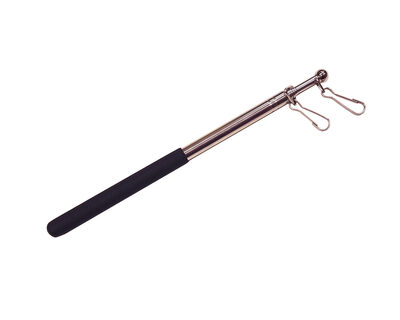
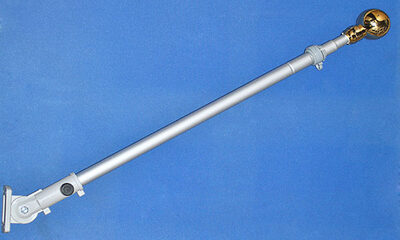
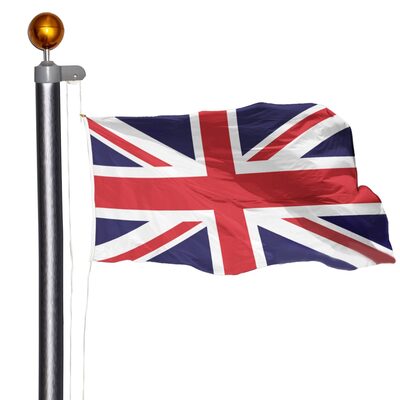
On a single pole, a 5ft x 3ft flag suits a 6m telescopic pole in a garden, and a 3ft x 2ft flag suits a short wall-mounted pole. If you are flying the Kenyan flag next to the Union Flag on separate poles, keep both flags the same size and at the same height; our guide to flag order of precedence explains which goes where. For a flag that stays up all winter, a Kenya DuraFlag with its reinforced header and fly end will cope better with December weather than a lightweight printed flag.
Decorating a hall or home
- Kenya bunting in 9m lengths along a hall wall or stage front; two lengths usually cover the long side of a church or community hall.
- Kenya table flags for dinner tables or a top table, with satin versions for formal events.
- 9in x 6in Kenya hand flags for children's dances and photo moments.
Kenya's runners are a familiar sight at UK road races, so the same hand flags come in handy in spring; our marathon supporter flags post has ideas. For other national days through the year, see our world national days calendar.
Frequently asked questions
What does Jamhuri mean?
Jamhuri is Swahili for "republic". The day marks Kenya becoming a republic on 12 December 1964, a year to the day after independence.
Is Jamhuri Day the same as Kenyan Independence Day?
Effectively, yes. Kenya became independent on 12 December 1963, and Jamhuri Day celebrates both that and the republic of 1964. Madaraka Day on 1 June marks the earlier step of self-government.
Which way up does the Kenya flag go?
Black at the top, then red, then green, with thin white stripes between them and the shield in the centre.
What is the shield on the Kenya flag?
It is a traditional Maasai shield with two crossed spears, symbolising the defence of freedom.
Getting ready for 12 December? Browse our Kenya flags, matching bunting and table flags, or explore the full world flags collection.