European Union
 Confederate
 Rainbow
 Other Pride
 Red Ensign
 RAF Ensign
 Yorkshire
 Cornwall
 Union Jack
 England
 Scotland
 Wales
 USA
 Ireland
 France
 Germany
 Italy
 Australia

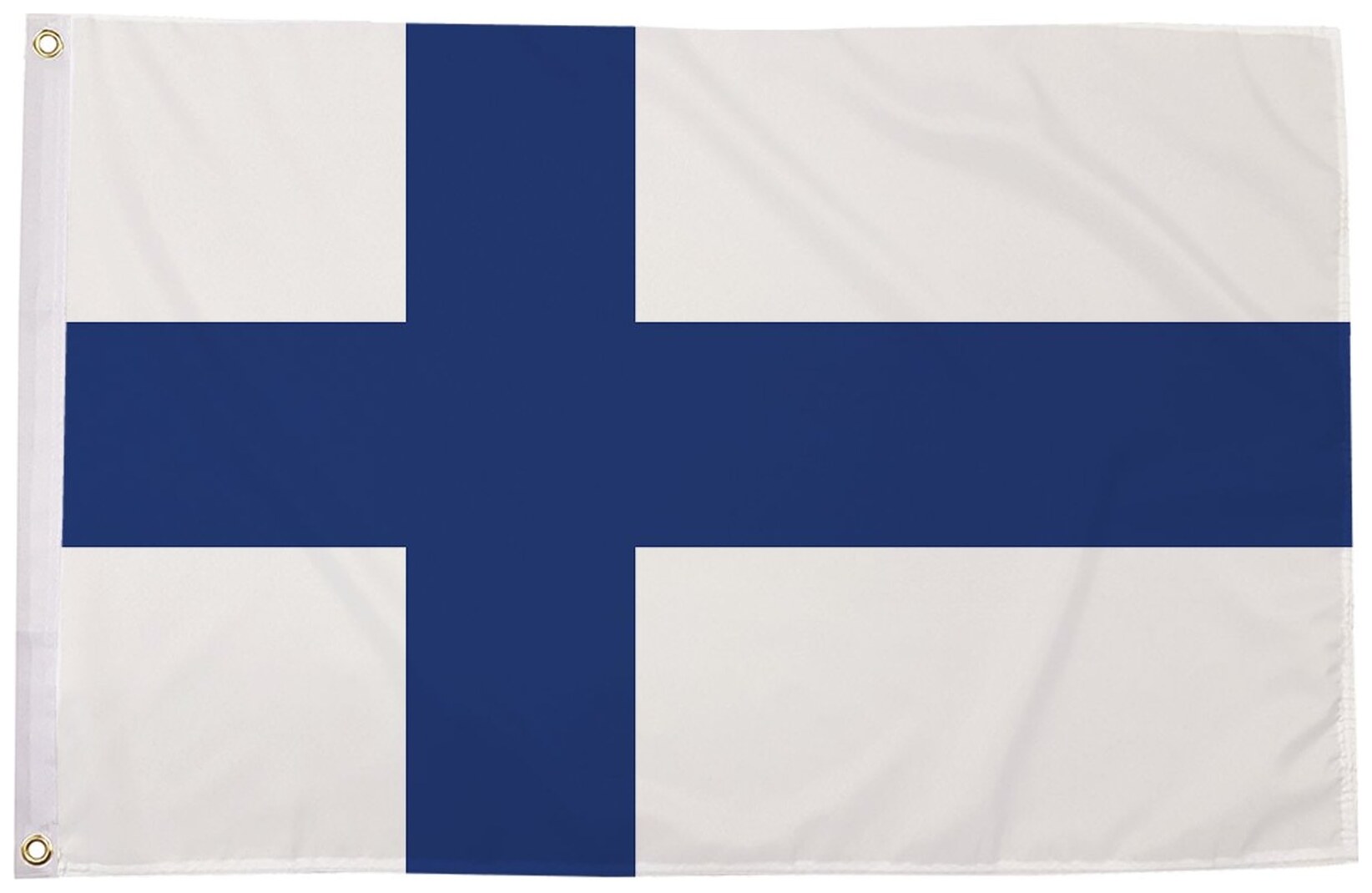
Finland Independence Day, Itsenäisyyspäivä, falls every year on 6 December and marks the day in 1917 when the Finnish Parliament approved the country's declaration of independence from Russia. It is a calm, reflective holiday rather than a carnival: blue-and-white flags fly from public buildings and homes, and many families place two candles in a window in the evening.
What happened on 6 December 1917
For just over a century Finland had been a Grand Duchy within the Russian Empire, with its own Senate, laws and currency but ultimately ruled from St Petersburg. After the Russian revolutions of 1917, the Finnish Senate, led by Pehr Evind Svinhufvud, presented a declaration of independence, and on 6 December Parliament voted to accept it. Recognition from Soviet Russia followed at the turn of the year, with other countries following in 1918.
The years that followed included a short civil war in 1918 and the wars of 1939–44, which is one reason the day carries a strong sense of remembrance. Wreaths are laid at war memorials and veterans are honoured across the country.
Candles, torches and the Castle Ball
Three customs define the day for most Finns:
- Two candles in the window. Lighting a pair of candles, often one blue and one white, in a front window during the evening became widespread from the late 1920s. Its exact origins are uncertain, though earlier window-candle customs from the years of Russian rule are often cited.
- Student torch processions. In Helsinki and other university towns, students carry torches through the streets in the late afternoon dark, past the Senate Square area.
- The Presidential reception. In the evening the President hosts the Independence Day reception, known affectionately as Linnan juhlat (the Castle Ball), for invited guests ranging from veterans to athletes and artists. It is broadcast live, and watching the long handshake line on television is a national ritual in itself.
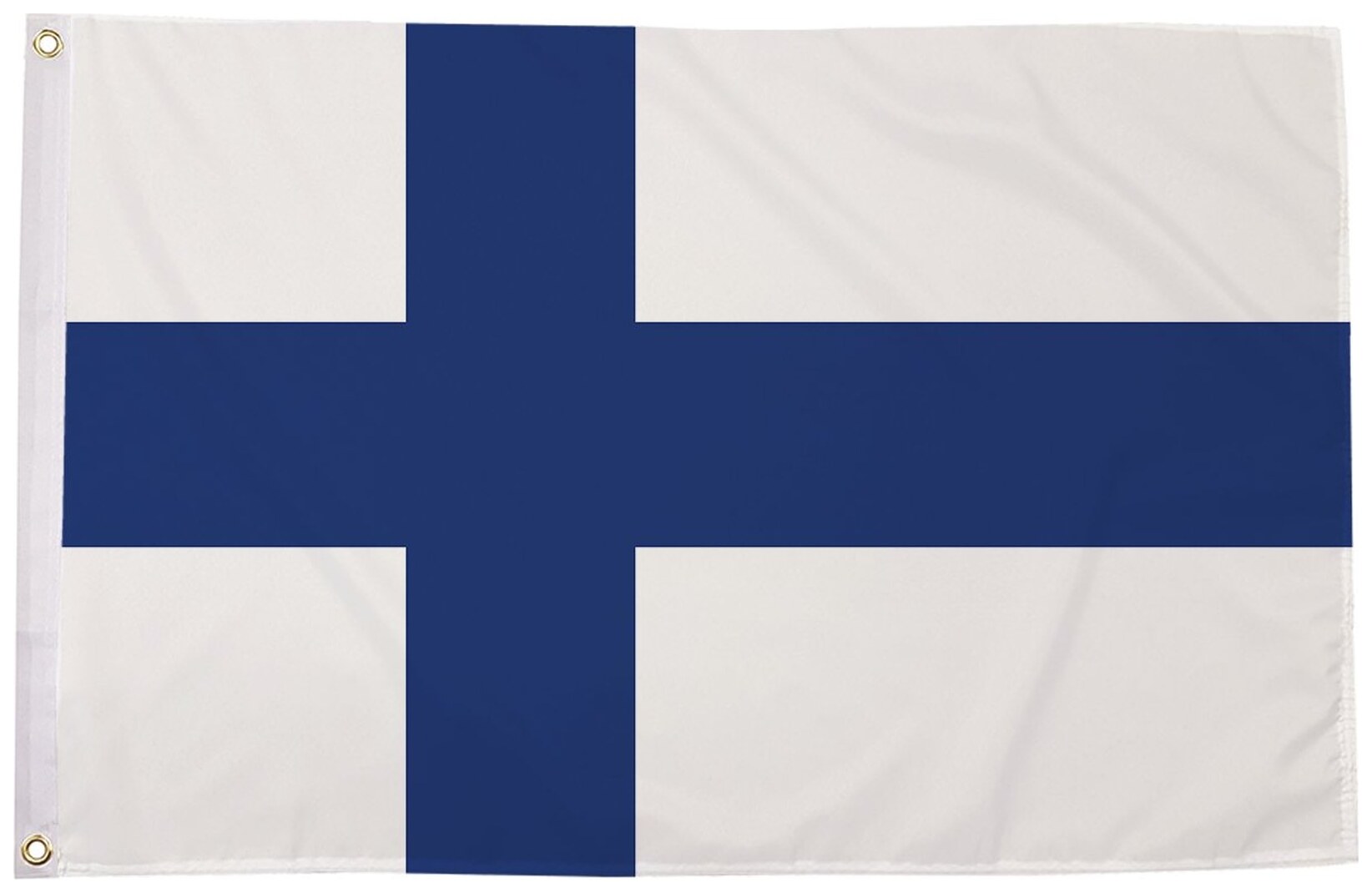
The Siniristilippu: Finland's blue cross flag
The Finnish flag, the Siniristilippu or "blue cross flag", was adopted in May 1918. It is a blue Nordic cross on white, and the colours are popularly said to represent the blue of Finland's lakes and sky and the white of its winter snow, although that is tradition rather than anything set down in law.
A few details are worth knowing if you fly one:
- Proportions. Finnish law sets the national flag at 11:18 (height to length), with the cross arms 3 units wide. Commercial flags are usually made at 3:5 or 2:3, and the difference is barely noticeable at a distance.
- State flag. A version with the Finnish coat of arms at the centre of the cross is reserved for state authorities, and swallow-tailed variants are used by the Defence Forces and some officials. Private citizens fly the plain blue cross.
- Which way up. The upright of the cross sits closer to the hoist (the pole side). If the long arm of the cross is next to the pole, the flag is reversed.
Independence Day is one of Finland's official flag days, and flags are normally raised in the morning. Because the day is so dark in December, flags on Independence Day traditionally stay up into the evening rather than coming down at sunset.
Finland Independence Day in the UK
The Finnish community in Britain is small but well established, particularly in London. The Finnish Church in Rotherhithe has long been a social hub for Finns in the capital, and the Finnish Embassy and cultural organisations often arrange receptions or gatherings around 6 December. Details change from year to year, so check their websites and social channels nearer the time rather than relying on past programmes.
At home, the Finnish approach is understated, and the decorations can be too:
- A pair of white or blue candles in the window, with a Finland table flag on the sill beside them.
- A run of Finland bunting across a mantelpiece or along a hall for a gathering; a 3m length suits a room, 9m a function space.
- 9in x 6in hand flags for children at a Finnish school or community event.
- A 5ft x 3ft flag on the pole outside. December weather is hard on fabric, so if it will stay up for a few weeks, a Finland DuraFlag with a reinforced header and fly end will hold up far better than a lightweight printed flag.
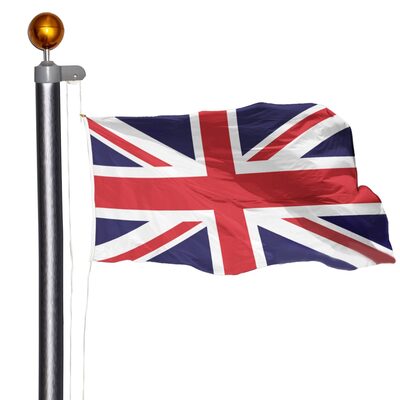
If you are flying the Finnish flag next to the Union Flag, use two poles of equal height and flags of the same size. Our guide to flag order of precedence explains which pole each should go on. For neighbouring traditions, see how Sweden celebrates its National Day on 6 June, or browse every date in our calendar of European national days.
Frequently asked questions
Is Finnish Independence Day a public holiday?
Yes. 6 December is a public holiday in Finland and most shops and offices close. It is not a holiday in the UK.
Why do Finns light two candles on Independence Day?
The custom spread from the late 1920s, when people were encouraged to light candles in their windows on the evening of 6 December. Why two candles in particular is not certain; several explanations are told, and none is definitive.
What do the colours of the Finnish flag mean?
No official meaning is set in law, but blue is widely associated with Finland's thousands of lakes and its sky, and white with snow.
What is the difference between the Finnish and Swedish flags?
Both use the Nordic cross, but Finland's is blue on white, while Sweden's is yellow on blue. Iceland, Norway and Denmark use the same off-centre cross design in their own colours.
Planning a quiet celebration or a community event? Browse our Finland flags, Finland table flags and the wider world flags range to find the right size for your pole, window or table.